
 EN
EN
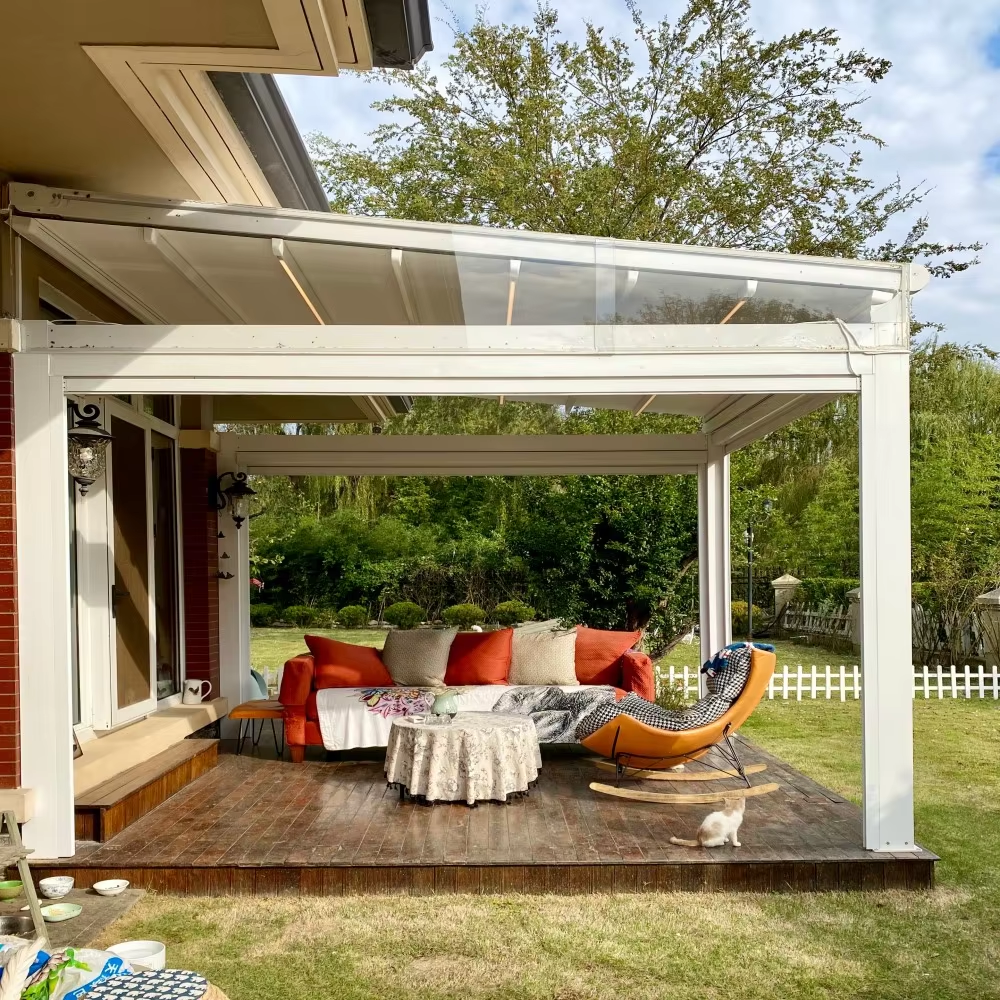
Homeowners seeking outdoor shade solutions increasingly turn to modern pergola systems that combine durability, functionality, and aesthetic appeal. When evaluating different materials for outdoor structures, the choice between traditional wood, aluminum, and synthetic options becomes crucial for long-term satisfaction and budget considerations. PVC pergolas have emerged as a compelling alternative that addresses many common concerns associated with outdoor installations, offering a balance of performance and value that resonates with cost-conscious property owners. The growing popularity of these synthetic structures reflects their ability to withstand environmental challenges while maintaining visual appeal throughout multiple seasons.
Understanding PVC Material Advantages in Outdoor Construction
Weather Resistance Properties
Polyvinyl chloride demonstrates exceptional resistance to moisture, UV radiation, and temperature fluctuations that typically challenge outdoor structures. Unlike wood materials that absorb water and expand or contract with humidity changes, PVC pergolas maintain dimensional stability across varying weather conditions. The synthetic composition prevents rot, mold, and insect damage that commonly afflict natural materials over time. Advanced UV stabilizers incorporated during manufacturing help prevent color fading and material degradation from prolonged sun exposure.
The inherent waterproof characteristics of PVC eliminate concerns about water penetration and subsequent structural weakening. Rain, snow, and humidity levels that would compromise wood or metal components have minimal impact on properly engineered PVC systems. This weather resilience translates directly into reduced maintenance requirements and extended service life, contributing significantly to overall cost-effectiveness for homeowners.
Structural Integrity and Engineering
Modern PVC pergola systems utilize advanced manufacturing techniques that create hollow profiles with internal reinforcement chambers. These engineering innovations provide structural strength comparable to traditional materials while maintaining lighter overall weight. The reduced weight simplifies installation procedures and reduces foundation requirements, lowering overall project costs. Quality PVC extrusions feature consistent wall thickness and precision tolerances that ensure reliable performance under load conditions.
Thermal expansion characteristics of PVC require specific design considerations, but proper engineering accommodates these properties through expansion joints and flexible mounting systems. The material's ability to flex slightly under stress actually provides advantages in high-wind conditions, as rigid materials might crack or fail completely. Professional-grade PVC pergolas incorporate these engineering principles to deliver reliable performance throughout their operational lifespan.
Installation Cost Benefits and Considerations
Labor and Time Savings
The lightweight nature of PVC components significantly reduces installation complexity compared to heavier alternatives. Contractors can typically handle PVC pergola assembly with smaller crews and basic equipment, reducing labor costs for homeowners. Pre-fabricated components arrive ready for assembly, eliminating on-site cutting, drilling, and finishing operations common with wood installations. The simplified assembly process often reduces installation timeframes from multiple days to single-day completions for standard-sized projects.
Many PVC pergola systems feature snap-together or slide-fit connections that eliminate the need for specialized fasteners or complex joinery techniques. This user-friendly approach enables skilled DIY enthusiasts to complete installations independently, further reducing project costs. Clear assembly instructions and pre-drilled mounting points streamline the installation process, minimizing potential errors that could increase project expenses.
Foundation and Support Requirements
The reduced weight of PVC pergolas often allows for simpler foundation designs compared to heavy timber or steel structures. Concrete footings can be smaller and require less excavation, reducing material and labor costs for foundation preparation. In many applications, surface-mount options become viable with PVC systems where heavier materials would require deep foundations. This flexibility provides homeowners with installation options that suit various site conditions and budget constraints.
Existing deck or patio surfaces may accommodate PVC pergola installations without additional reinforcement, expanding installation possibilities for retrofit applications. The ability to work within existing landscape features reduces site preparation costs and preserves established outdoor living spaces. Professional installers appreciate this adaptability, as it allows creative solutions that minimize disruption to existing hardscaping and landscaping investments.
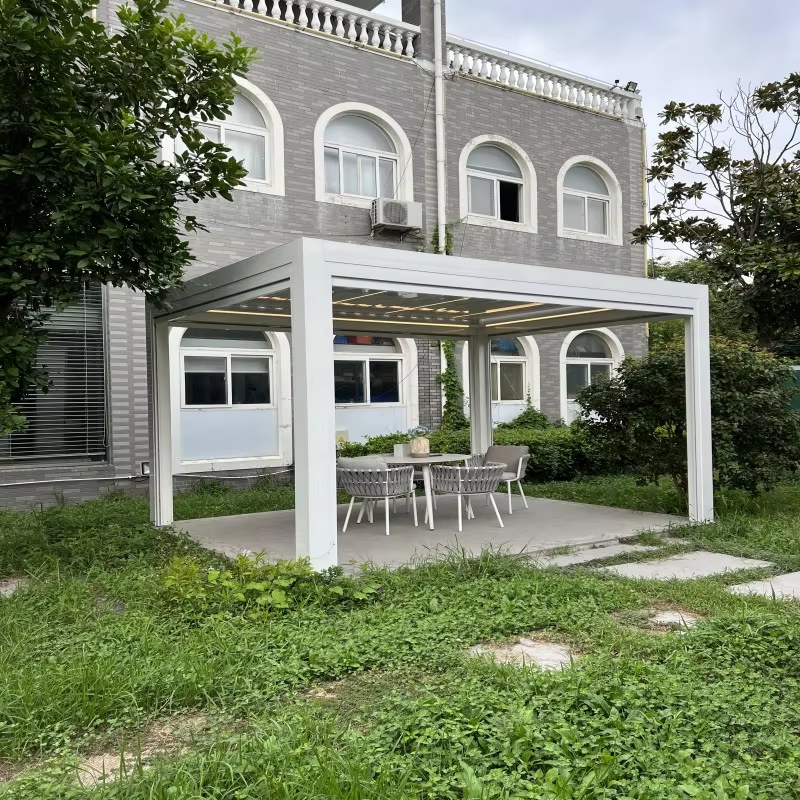
Long-Term Maintenance and Operating Costs
Cleaning and Upkeep Requirements
PVC pergolas require minimal maintenance compared to natural materials that need regular staining, sealing, or painting. Routine cleaning with soap and water removes accumulated dirt, pollen, and environmental debris without damaging the material surface. The non-porous nature of PVC prevents staining from organic matter, bird droppings, or tree sap that commonly affect wood structures. Power washing provides effective deep cleaning for accumulated grime without risk of material damage when performed correctly.
Annual inspection and cleaning typically represent the extent of required maintenance for quality PVC pergolas, compared to wood systems that may require refinishing every few years. This reduced maintenance burden translates into ongoing cost savings that accumulate significantly over the structure's operational lifetime. Homeowners avoid recurring expenses for stains, sealers, and professional refinishing services that traditional materials demand.
Durability and Replacement Cycles
Quality PVC pergolas typically offer service lives of 20-30 years with minimal maintenance, comparing favorably to wood structures that may require major repairs or replacement within 10-15 years. The synthetic material resists common failure modes including rot, insect damage, and weathering that limit natural material longevity. This extended service life reduces the annualized cost of ownership, making PVC pergolas attractive for long-term property improvements.
Component replacement, when necessary, often involves individual parts rather than complete system replacement. Modular design approaches allow targeted repairs that minimize cost and disruption compared to monolithic structures. The availability of replacement components throughout the product lifecycle ensures that minor damage or wear doesn't necessitate complete pergola replacement, further enhancing the cost-effectiveness proposition.
Design Flexibility and Aesthetic Considerations
Color and Texture Options
Modern PVC manufacturing techniques produce pergola components in various colors and surface textures that complement different architectural styles. Wood-grain textures and natural color tones provide aesthetic appeal while maintaining the practical benefits of synthetic materials. Factory-applied colors eliminate the need for painting and provide consistent appearance that won't fade or require touch-ups like painted surfaces on other materials.
The color stability of quality PVC pergolas means that the initial aesthetic investment remains consistent throughout the product's service life. Homeowners avoid the ongoing costs and efforts associated with maintaining painted or stained finishes on traditional materials. This consistency contributes to property value retention and eliminates concerns about color matching for future additions or modifications.
Customization and Configuration
PVC pergola systems often provide greater design flexibility than traditional materials due to the precision and consistency of manufactured components. Complex curves, integrated lighting channels, and specialized mounting configurations become practical with engineered PVC systems. The material's workability allows custom modifications that might be cost-prohibitive with natural materials requiring specialized craftsmanship.
Modular design approaches enable easy expansion or reconfiguration of PVC pergolas as needs change over time. Homeowners can start with basic installations and add components or features incrementally, spreading costs over time while maintaining design coherence. This adaptability provides value for growing families or evolving outdoor entertainment needs without requiring complete system replacement.
Environmental and Sustainability Factors
Material Sourcing and Production
PVC pergola manufacturing utilizes recycled content in many products, contributing to circular economy principles while reducing raw material costs. The synthetic nature eliminates pressure on forest resources that traditional wood pergolas require, addressing sustainability concerns while maintaining functionality. Energy-efficient manufacturing processes and transportation advantages due to lighter weight contribute to reduced environmental impact compared to some alternative materials.
The longevity of PVC pergolas means fewer replacement cycles over time, reducing cumulative environmental impact compared to shorter-lived alternatives. End-of-life recycling programs for PVC materials provide responsible disposal options that recover value from retired installations. These environmental considerations increasingly influence homeowner decisions, particularly as sustainability awareness grows among property owners.
Energy Efficiency and Climate Control
PVC pergolas with integrated shading systems can reduce cooling costs for adjacent indoor spaces by blocking solar heat gain through windows and doors. The thermal properties of PVC provide some insulation benefits compared to metal alternatives that might conduct heat more readily. Strategic placement and design of PVC pergolas can create comfortable outdoor microclimates that extend usable outdoor space throughout more of the year.
Retractable or adjustable PVC pergola systems allow homeowners to optimize shading based on seasonal sun angles and weather conditions. This adaptability maximizes comfort while minimizing energy consumption for climate control in adjacent indoor spaces. The operational flexibility provides ongoing utility cost benefits that contribute to long-term cost-effectiveness beyond the initial installation investment.
Comparing Investment Returns and Property Value
Initial Cost Analysis
PVC pergolas typically fall in the middle range of material options, costing more than basic aluminum but less than premium hardwood installations. The total project cost including installation often proves competitive due to reduced labor requirements and simplified foundation needs. Financing options and seasonal promotions from manufacturers can further improve initial affordability for budget-conscious homeowners.
When evaluating initial investment requirements, homeowners should consider the complete project scope including permits, site preparation, and installation costs. PVC pergolas often require fewer permits and inspections than permanent structures, reducing administrative costs and timeline requirements. The streamlined approval process contributes to overall project cost control and faster completion schedules.
Property Value Enhancement
Outdoor living spaces created with PVC pergolas contribute to property value by expanding functional living area and improving aesthetic appeal. Real estate professionals recognize well-designed pergola installations as desirable features that differentiate properties in competitive markets. The maintenance-free nature of PVC pergolas appeals to potential buyers who want outdoor amenities without ongoing upkeep responsibilities.
The durability and appearance retention of quality PVC pergolas means that the property value enhancement remains consistent over time without declining due to weathering or maintenance issues. This stability provides confidence in the investment return compared to materials that may show visible aging or require significant maintenance investment to maintain curb appeal.
FAQ
How long do PVC pergolas typically last compared to wood alternatives
Quality PVC pergolas generally provide 20-30 years of service life with minimal maintenance, while wood pergolas typically require major maintenance or replacement within 10-15 years depending on climate conditions and maintenance practices. The synthetic material resists rot, insect damage, and weather-related degradation that commonly affect natural materials, resulting in extended operational life and reduced replacement costs over time.
Are PVC pergolas strong enough for high-wind areas
Properly engineered PVC pergolas can withstand significant wind loads when designed and installed according to local building codes and manufacturer specifications. The material's slight flexibility actually provides advantages over rigid materials that might crack under stress, and modern PVC pergola systems incorporate engineering features like reinforcement chambers and flexible mounting systems to handle challenging weather conditions safely.
What maintenance is required to keep PVC pergolas looking their best
PVC pergolas require only basic cleaning with soap and water to remove dirt, pollen, and environmental debris. Annual power washing provides deep cleaning for accumulated grime, and periodic inspection of fasteners and connections ensures continued structural integrity. Unlike wood pergolas that need regular staining or painting, PVC maintains its appearance and color without ongoing refinishing requirements.
Can PVC pergolas support integrated features like lighting or fans
Modern PVC pergola systems often incorporate channels and mounting provisions for electrical wiring, lighting fixtures, and ceiling fans. The hollow construction of PVC components provides convenient routing for electrical systems while maintaining clean aesthetic lines. Professional installation ensures proper load distribution and electrical safety when adding integrated features to PVC pergola installations.