
 EN
EN
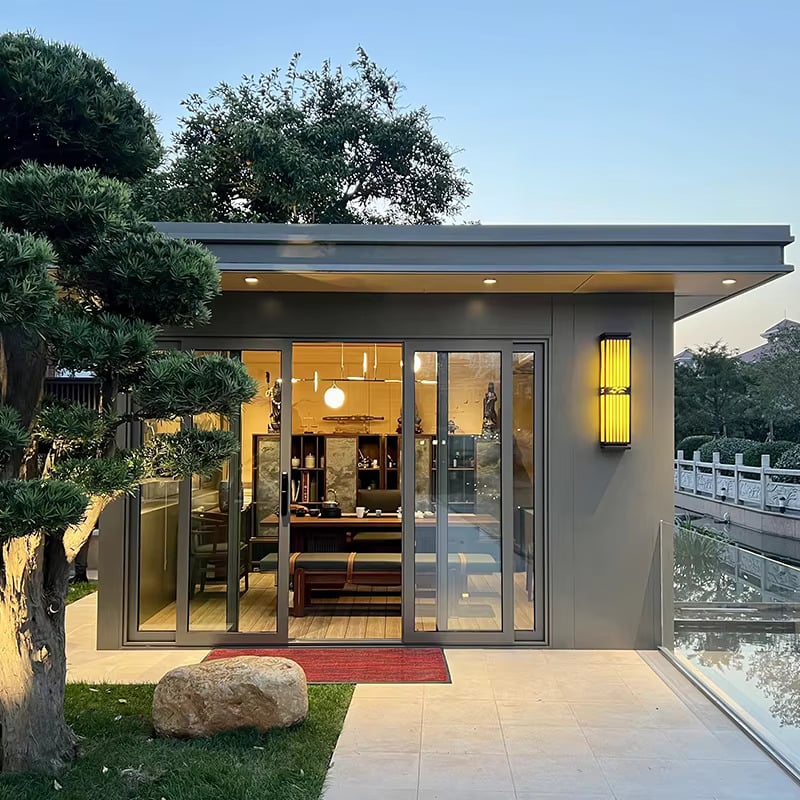
When planning outdoor installations that need to withstand years of exposure to varying weather conditions, choosing the right materials becomes paramount to success. PVC pergolas have emerged as a leading solution for commercial establishments, restaurants, and residential properties seeking durable, low-maintenance outdoor structures. These innovative architectural elements combine the aesthetic appeal of traditional pergolas with the superior performance characteristics that only modern polymer technology can deliver.
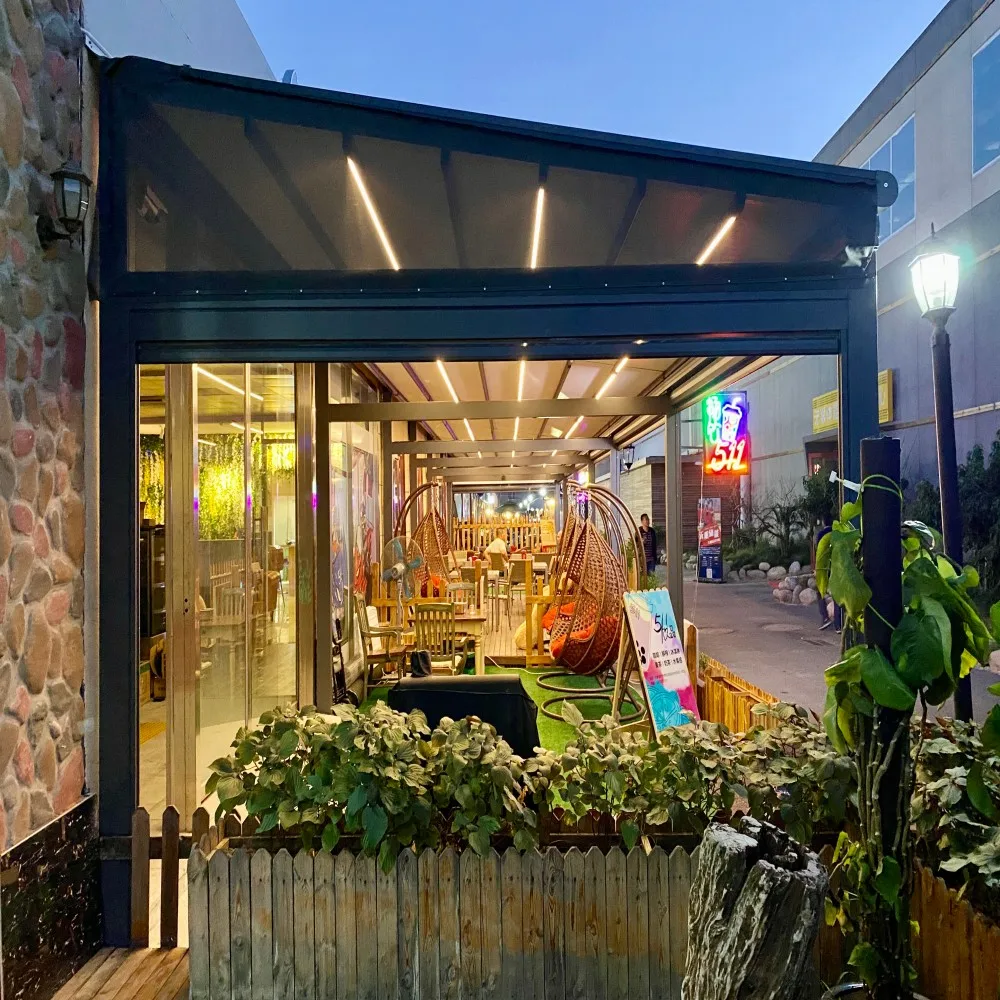
The growing demand for reliable outdoor shade solutions has pushed manufacturers to develop advanced materials that can handle continuous exposure to UV radiation, moisture, temperature fluctuations, and physical stress. Unlike wood or metal alternatives, PVC pergolas offer unique advantages that make them particularly suitable for installations where longevity and minimal maintenance are critical factors. Understanding these benefits helps property owners and facility managers make informed decisions about their outdoor infrastructure investments.
Superior Weather Resistance and Durability
UV Protection and Color Stability
One of the most significant advantages of PVC pergolas lies in their exceptional resistance to ultraviolet radiation damage. Traditional materials like wood and fabric tend to fade, crack, or deteriorate when exposed to continuous sunlight over extended periods. PVC formulations used in modern pergola construction incorporate advanced UV stabilizers that prevent polymer chain breakdown and maintain structural integrity even after years of direct sun exposure.
The color stability of PVC pergolas surpasses that of painted or stained alternatives by a considerable margin. While wooden structures require regular refinishing to maintain their appearance, PVC maintains its original color and finish throughout its service life. This characteristic proves particularly valuable for commercial installations where consistent brand image and aesthetic appeal directly impact customer perception and business success.
Moisture and Chemical Resistance
PVC pergolas demonstrate remarkable resistance to moisture-related problems that plague other materials. Wood structures often suffer from rot, warping, and insect damage when exposed to humid conditions or direct water contact. Metal pergolas may develop rust and corrosion over time, especially in coastal environments where salt spray accelerates oxidation processes. PVC remains unaffected by these environmental factors, maintaining its structural properties regardless of humidity levels or precipitation patterns.
Chemical resistance represents another crucial advantage for installations in urban or industrial environments. Air pollution, acid rain, and cleaning chemicals used for maintenance can gradually degrade conventional materials. PVC pergolas resist chemical attack from these sources, ensuring that structural integrity remains intact even in challenging environmental conditions.
Economic Benefits and Cost Effectiveness
Reduced Maintenance Requirements
The long-term economic advantages of PVC pergolas become apparent when considering maintenance costs over their operational lifetime. Traditional materials require regular treatments, refinishing, repairs, and eventual replacement to maintain functionality and appearance. Wood pergolas need periodic staining or painting, pest control treatments, and replacement of deteriorated components. Metal structures require rust prevention treatments, repainting, and potential structural repairs.
PVC pergolas eliminate most of these maintenance requirements, requiring only occasional cleaning with standard detergents and water. This reduction in maintenance needs translates directly into lower operational costs and reduced facility management workload. For commercial properties managing multiple outdoor installations, these savings compound significantly over time, making PVC pergolas an economically superior choice for budget-conscious operators.
Extended Service Life and Return on Investment
The extended service life of PVC pergolas contributes substantially to their overall value proposition. While initial installation costs may be comparable to or slightly higher than alternative materials, the total cost of ownership typically favors PVC solutions due to their longevity and minimal maintenance requirements. Industry data suggests that properly installed PVC pergolas can provide reliable service for decades without requiring major repairs or replacement.
Return on investment calculations for commercial installations must consider factors beyond initial cost, including maintenance expenses, downtime costs, and replacement frequency. PVC pergolas consistently deliver superior ROI metrics when these factors are properly evaluated, making them an attractive option for businesses focused on long-term profitability and operational efficiency.
Design Flexibility and Installation Advantages
Customization and Aesthetic Options
Modern PVC pergolas offer extensive customization options that allow designers and property owners to achieve specific aesthetic goals while maintaining structural performance. Advanced manufacturing techniques enable the production of PVC components that mimic the appearance of wood, metal, or other traditional materials while retaining all the performance advantages of polymer construction. Color options range from classic whites and earth tones to contemporary bold colors that complement modern architectural styles.
The moldability of PVC during manufacturing allows for complex shapes and profiles that would be difficult or expensive to achieve with conventional materials. This design flexibility enables architects and designers to create unique installations that serve both functional and aesthetic purposes, contributing to the overall value and appeal of outdoor spaces.
Streamlined Installation Process
Installation advantages of PVC pergolas include lighter weight components that simplify handling and reduce installation time and costs. Unlike heavy wooden beams or metal framework that may require specialized equipment and additional labor, PVC components can often be handled manually by standard construction crews. This characteristic proves particularly valuable for installations in areas with limited access or where crane usage would be impractical or expensive.
The precision manufacturing of PVC components ensures consistent dimensions and quality, reducing field adjustments and installation complications. Pre-engineered connection systems and standardized hardware simplify assembly processes, allowing for faster project completion and reduced labor costs. These installation efficiencies contribute to lower overall project costs and shorter construction timelines.
Environmental Considerations and Sustainability
Resource Efficiency and Longevity
From an environmental perspective, PVC pergolas offer several advantages related to resource efficiency and long-term sustainability. The extended service life of PVC installations means fewer resources are consumed over time compared to materials that require frequent replacement. This longevity reduces the environmental impact associated with manufacturing, transportation, and disposal of multiple replacement installations.
The manufacturing process for PVC pergolas has become increasingly efficient, with many producers implementing recycling programs for post-consumer and post-industrial PVC waste. This circular approach to material usage reduces demand for virgin materials and minimizes waste streams associated with PVC production. Additionally, the energy requirements for PVC production have decreased significantly with improved manufacturing technologies and process optimization.
End-of-Life Considerations
PVC pergolas offer advantages at the end of their service life through established recycling programs and material recovery systems. Unlike composite materials that combine different substances in ways that complicate recycling, PVC can be efficiently processed and reused in new applications. This recyclability ensures that PVC pergolas contribute to sustainable building practices throughout their entire lifecycle.
The chemical stability that makes PVC pergolas durable during use also means they do not leach harmful substances into soil or groundwater during their service life. This environmental safety makes PVC pergolas suitable for installations near water sources, food service areas, or sensitive environmental locations where material safety is a primary concern.
Performance in Extreme Conditions
Temperature Extremes and Thermal Cycling
PVC pergolas demonstrate exceptional performance in environments subject to extreme temperature variations. Unlike materials that expand and contract significantly with temperature changes, PVC exhibits controlled thermal movement that can be accommodated through proper design and installation techniques. This thermal stability reduces stress on connections and support structures, contributing to longer service life and reduced maintenance requirements.
In regions experiencing frequent freeze-thaw cycles, PVC pergolas maintain their structural integrity without developing cracks or joint failures common in other materials. This resistance to thermal cycling makes PVC pergolas particularly suitable for installations in climates with significant seasonal temperature variations or daily temperature swings that stress conventional materials.
Wind and Seismic Resistance
The engineering properties of PVC allow for pergola designs that effectively handle wind loads and seismic forces. The inherent flexibility of PVC provides energy absorption capabilities that can reduce peak loads transmitted to support structures during extreme weather events. This characteristic, combined with appropriate engineering design, enables PVC pergolas to meet strict building codes in areas subject to high wind speeds or seismic activity.
Modern PVC pergola systems incorporate engineered connection details that allow controlled movement during loading while maintaining structural integrity. These design features ensure that installations remain functional and safe even after experiencing extreme weather conditions that might damage conventional pergola materials.
FAQ
How long can PVC pergolas be expected to last in outdoor installations
PVC pergolas typically provide reliable service for 20 to 30 years or more when properly installed and maintained. Their resistance to UV degradation, moisture damage, and chemical attack ensures that structural integrity remains intact throughout this extended service period. Regular cleaning and occasional inspection of connections represent the primary maintenance requirements during this timeframe.
Do PVC pergolas require special installation techniques or equipment
Installation of PVC pergolas generally follows standard construction practices with some material-specific considerations. The lighter weight of PVC components simplifies handling and reduces equipment requirements compared to heavier alternatives. However, proper attention to thermal expansion joints and appropriate fastener selection ensures optimal long-term performance. Most installations can be completed using conventional construction tools and techniques.
Are there design limitations with PVC pergola systems compared to other materials
Modern PVC pergola systems offer extensive design flexibility through advanced manufacturing techniques and engineering capabilities. While structural span limitations exist for any material, PVC systems can achieve most architectural goals through proper design and engineering. Color options, surface textures, and profile shapes provide sufficient variety to complement virtually any architectural style or aesthetic requirement.
How do PVC pergolas perform in terms of fire safety and building code compliance
PVC pergolas manufactured for construction applications typically meet or exceed building code requirements for fire safety and structural performance. Many PVC formulations include fire retardant additives that improve flame spread characteristics and reduce smoke generation. Compliance with local building codes should always be verified during the design phase, as requirements vary by jurisdiction and application type.
Table of Contents
- Superior Weather Resistance and Durability
- Economic Benefits and Cost Effectiveness
- Design Flexibility and Installation Advantages
- Environmental Considerations and Sustainability
- Performance in Extreme Conditions
-
FAQ
- How long can PVC pergolas be expected to last in outdoor installations
- Do PVC pergolas require special installation techniques or equipment
- Are there design limitations with PVC pergola systems compared to other materials
- How do PVC pergolas perform in terms of fire safety and building code compliance