
 EN
EN
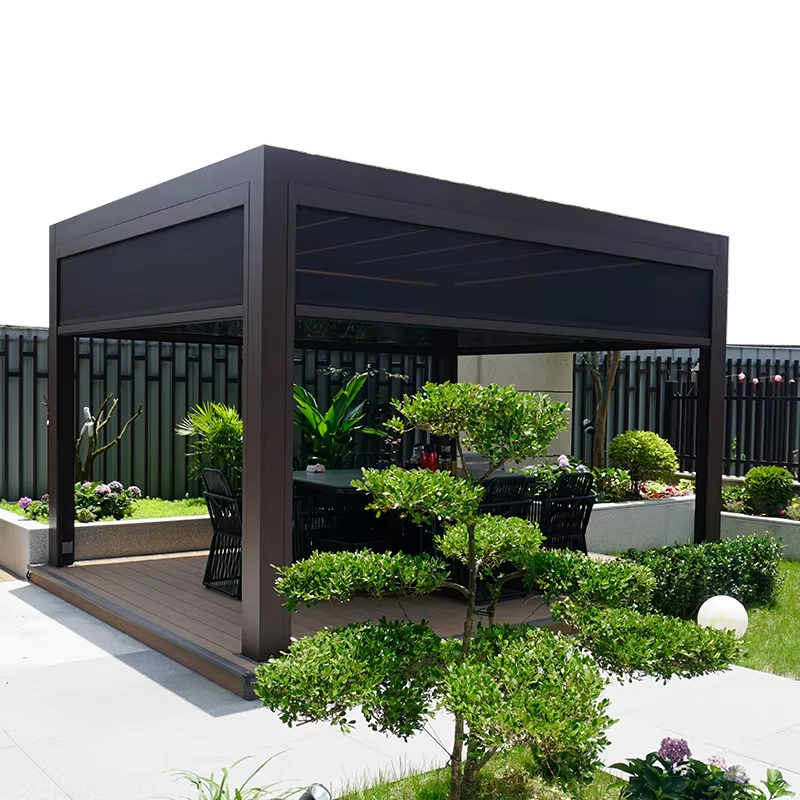
PVC pergolas have emerged as a revolutionary outdoor shelter solution that combines durability with aesthetic appeal. These innovative structures offer property owners an excellent alternative to traditional materials, providing superior weather resistance and longevity. Understanding how these outdoor installations perform under extreme weather conditions is crucial for homeowners and commercial property managers seeking reliable outdoor coverage solutions.
Modern outdoor living spaces demand materials that can withstand nature's most challenging elements while maintaining their structural integrity and visual appeal. Property owners increasingly seek shelter solutions that require minimal maintenance yet deliver maximum protection against harsh environmental conditions. The construction industry has responded with advanced materials and engineering techniques that address these demanding requirements.
Weather resistance represents a critical factor when selecting outdoor structures, as exposure to elements like heavy rainfall, strong winds, intense UV radiation, and temperature fluctuations can compromise inferior materials. Investment in quality outdoor installations requires careful consideration of material properties, structural design, and long-term performance characteristics that ensure lasting value and protection.
Weather Resistance Characteristics of PVC Materials
UV Radiation Protection and Color Stability
PVC materials incorporate advanced UV stabilizers that prevent degradation from prolonged sun exposure, maintaining structural integrity and color consistency over extended periods. These specialized additives create a protective barrier against harmful ultraviolet rays that typically cause fading, cracking, and material brittleness in conventional outdoor materials. Quality PVC formulations undergo rigorous testing to ensure they meet industry standards for UV resistance.
The molecular structure of modern PVC compounds includes titanium dioxide and other light-resistant agents that reflect damaging radiation while preserving the material's original appearance. This sophisticated chemistry ensures that outdoor installations maintain their aesthetic appeal for decades without requiring frequent refinishing or replacement. Professional-grade PVC materials demonstrate exceptional performance in high-altitude and tropical environments where UV exposure reaches extreme levels.
Moisture and Water Resistance Properties
Engineered PVC materials exhibit superior water resistance due to their non-porous surface characteristics that prevent moisture absorption and subsequent structural damage. Unlike wood or metal alternatives, PVC does not suffer from rot, rust, or corrosion when exposed to heavy rainfall, humidity, or standing water conditions. This inherent moisture resistance eliminates common maintenance issues associated with traditional outdoor materials.
The hydrophobic properties of PVC create an effective barrier against water penetration, preventing the freeze-thaw cycles that can damage porous materials in cold climates. Additionally, the smooth surface texture facilitates rapid water drainage and prevents the accumulation of moisture that could lead to mold or mildew formation. These characteristics make PVC an ideal choice for regions with high precipitation or coastal environments.
Wind Load and Structural Performance
Engineering Standards and Load Calculations
Professional PVC pergola installations follow strict engineering guidelines that account for local wind loads and structural requirements based on geographic location and environmental conditions. These calculations consider factors such as wind speed, frequency, direction, and duration to ensure adequate structural support and safety margins. Certified engineers evaluate site-specific conditions to determine appropriate foundation requirements and support configurations.
Building codes specify minimum wind load requirements that vary by region, with coastal and mountainous areas requiring higher resistance standards due to increased exposure to severe weather events. PVC pergolas designed for commercial applications must meet enhanced structural requirements to accommodate higher occupancy loads and extended exposure periods.
Flexible Design Features and Wind Mitigation
Advanced PVC pergola systems incorporate flexible design elements that allow controlled movement during wind events while maintaining overall structural stability. These engineered features include adjustable louvers, retractable panels, and articulated connections that reduce wind resistance and prevent catastrophic failure during severe weather conditions. Smart design approaches distribute wind loads across multiple structural elements rather than concentrating stress at single points.
Modern installations often feature wind sensors and automated control systems that adjust pergola configurations in response to changing weather conditions. These intelligent systems can close louvers, retract fabric panels, or modify structural positions to minimize wind exposure and protect both the structure and occupants. Such proactive measures significantly extend the operational lifespan of outdoor installations while ensuring user safety.
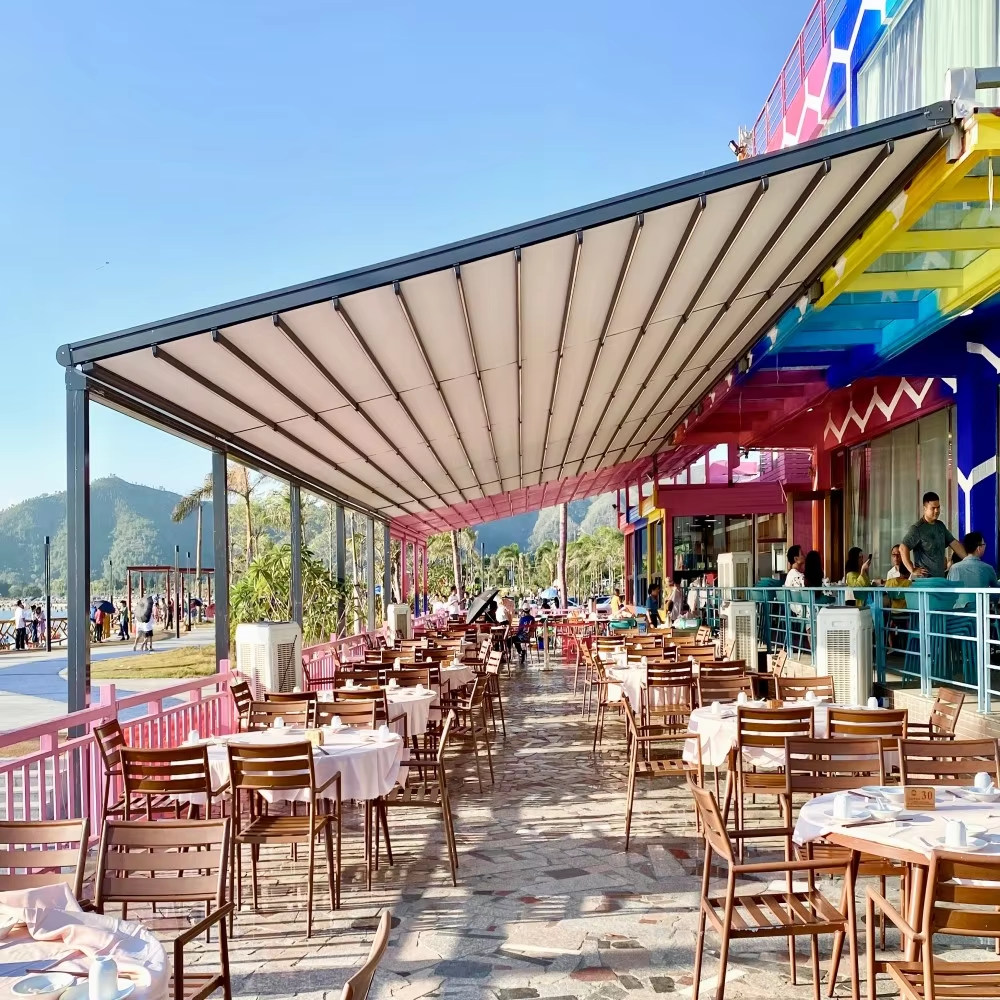
Temperature Extremes and Thermal Performance
Thermal Expansion and Contraction Management
PVC materials demonstrate excellent thermal stability across wide temperature ranges, with engineered expansion joints and flexible connections accommodating natural thermal movement without structural damage. Professional installations incorporate specific allowances for thermal expansion that prevent stress concentrations and maintain structural integrity through seasonal temperature variations. These design considerations are particularly important in regions experiencing significant temperature fluctuations.
Quality PVC formulations maintain their mechanical properties at both high and low temperature extremes, unlike some materials that become brittle in cold conditions or soften excessively in heat. The coefficient of thermal expansion for PVC is well-documented and predictable, allowing engineers to design appropriate accommodation measures that prevent warping, binding, or structural failure during extreme weather events.
Insulation Properties and Energy Efficiency
Modern PVC pergola systems can incorporate insulation features that improve thermal performance and reduce heat transfer between outdoor and indoor spaces. Multi-wall PVC panels and air gap construction create thermal barriers that moderate temperature extremes and improve comfort levels beneath the structure. These features are particularly beneficial for pergolas adjacent to buildings or used as transitional spaces between indoor and outdoor environments.
The low thermal conductivity of PVC materials prevents the formation of thermal bridges that could create condensation issues or uncomfortable surface temperatures. This characteristic, combined with proper ventilation design, ensures comfortable conditions regardless of external temperature variations. Energy-efficient pergola designs can also contribute to reduced cooling costs for adjacent buildings by providing effective solar shading.
Maintenance Requirements and Longevity Factors
Cleaning and Routine Maintenance Protocols
PVC pergolas require minimal maintenance compared to traditional materials, with routine cleaning representing the primary ongoing requirement for optimal performance and appearance. Simple washing with mild detergent and water effectively removes accumulated dirt, pollen, and environmental contaminants without damaging the surface finish. The non-porous nature of PVC prevents staining and makes cleaning procedures straightforward and efficient.
Periodic inspection of mechanical components, fasteners, and connections ensures continued structural integrity and identifies potential issues before they develop into costly repairs. Professional maintenance schedules typically recommend annual inspections with more frequent checks in areas subject to severe weather conditions or heavy usage. Preventive maintenance programs significantly extend the operational lifespan of pergola installations while maintaining warranty coverage.
Component Replacement and Upgrade Options
Modular PVC pergola designs facilitate individual component replacement without requiring complete system reconstruction, providing cost-effective solutions for addressing wear or damage. Standardized connection systems and component dimensions ensure compatibility between different manufacturers and allow for future upgrades or modifications. This flexibility represents a significant advantage over permanently installed alternatives that require complete replacement when damage occurs.
Technology advances in PVC formulations and manufacturing processes enable periodic upgrades to improve performance characteristics or add new functionality to existing installations. Property owners can incorporate enhanced features such as integrated lighting, automated controls, or improved weather sensors without major structural modifications. This adaptability ensures that PVC pergola investments remain current with evolving technology and user requirements.
Installation Considerations and Best Practices
Site Preparation and Foundation Requirements
Proper site preparation forms the foundation for successful PVC pergola installation and long-term performance under harsh weather conditions. Adequate drainage, level surfaces, and appropriate soil conditions are essential prerequisites that prevent structural issues and ensure optimal functionality. Professional site surveys identify potential challenges and recommend solutions before installation begins.
Foundation design must account for local soil conditions, frost lines, and anticipated loads to provide stable support throughout the structure's operational lifespan. Concrete footings, anchoring systems, and connection details require careful attention to prevent settlement or movement that could compromise structural integrity. Professional installation teams ensure compliance with local building codes and manufacturer specifications.
Professional Installation vs DIY Considerations
While some PVC pergola systems offer DIY installation options, professional installation ensures optimal performance and warranty compliance, particularly for structures expected to withstand severe weather conditions. Certified installers possess the expertise and specialized tools required to achieve proper alignment, secure connections, and code-compliant installations. Professional work typically includes comprehensive testing and adjustment procedures that maximize structural performance.
DIY installations may be appropriate for smaller, simpler structures in mild climates, but complex systems or challenging environmental conditions typically require professional expertise. Insurance considerations, warranty requirements, and local permit regulations often specify professional installation as mandatory for commercial applications or structures exceeding certain size thresholds. Property owners should carefully evaluate these factors when planning their installations.
FAQ
How long do PVC pergolas typically last in harsh weather conditions?
Quality PVC pergolas can last 15-25 years or more in harsh weather conditions when properly installed and maintained. The exact lifespan depends on factors such as material quality, installation standards, local climate conditions, and maintenance frequency. Premium PVC formulations with enhanced UV stabilizers and weather-resistant additives demonstrate superior longevity compared to standard materials.
What wind speeds can PVC pergolas safely withstand?
Properly engineered PVC pergolas can typically withstand wind speeds of 75-100 mph when designed according to local building codes and manufacturer specifications. Actual wind resistance varies based on structural design, foundation quality, and specific installation details. Professional engineering evaluation ensures that structures meet or exceed local wind load requirements for their intended application.
Do PVC pergolas require special maintenance in extreme weather climates?
PVC pergolas require minimal additional maintenance in extreme weather climates beyond standard cleaning and inspection protocols. However, more frequent inspections may be recommended in areas subject to severe storms, extreme temperature variations, or high UV exposure. Proactive maintenance programs help identify and address minor issues before they develop into significant problems.
Can PVC pergolas be customized for specific weather resistance requirements?
Yes, PVC pergolas can be extensively customized to meet specific weather resistance requirements through material selection, structural design modifications, and specialized features. Options include enhanced UV stabilizers, increased structural support, automated weather response systems, and specialized fastening methods. Custom engineering ensures optimal performance for unique environmental challenges or specific performance requirements.