
 EN
EN
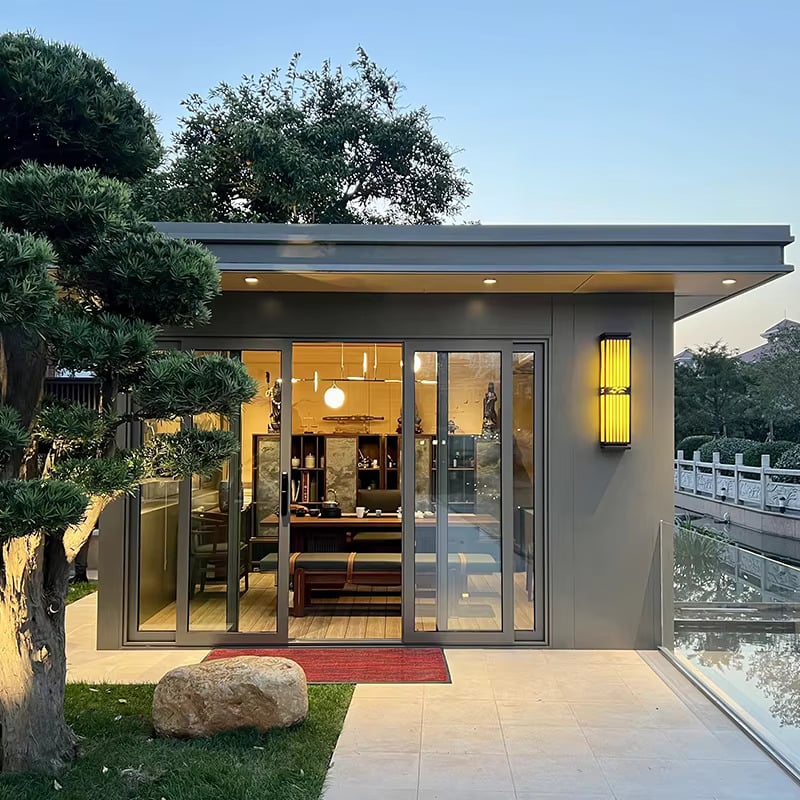
Modern outdoor living spaces have transformed significantly over the past decade, with property owners increasingly seeking versatile structures that combine functionality with aesthetic appeal. Among the most sought-after additions to both residential gardens and commercial establishments are PVC pergolas, which have gained remarkable popularity due to their unique blend of durability, low maintenance requirements, and design flexibility. These innovative outdoor structures represent a significant evolution from traditional wooden pergolas, offering superior weather resistance and longevity while maintaining the classic elegance that makes pergolas so desirable for creating defined outdoor spaces.
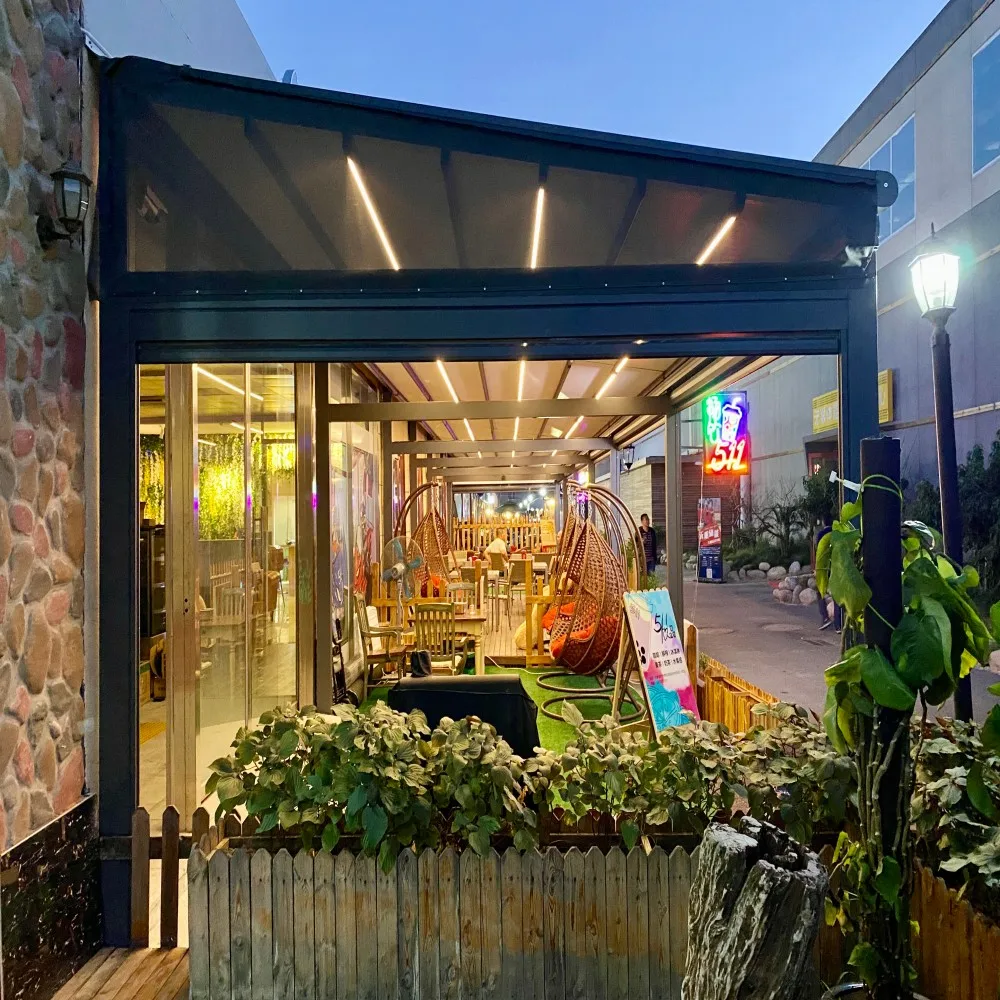
The surge in popularity of these structures stems from their ability to address common challenges faced by property owners who want to enhance their outdoor areas without committing to high-maintenance solutions. Unlike traditional materials that require regular staining, sealing, or painting, PVC construction delivers exceptional performance with minimal upkeep. This characteristic has made them particularly attractive to busy homeowners and commercial property managers who need reliable outdoor structures that maintain their appearance and functionality year after year without extensive maintenance schedules.
Material Advantages and Durability Features
Weather Resistance and Longevity
The superior weather resistance of PVC construction represents one of the most compelling reasons for choosing these structures over traditional alternatives. PVC material demonstrates exceptional resistance to UV radiation, preventing the fading and degradation commonly experienced with wooden structures exposed to constant sunlight. This UV stability ensures that the color and structural integrity remain consistent throughout years of exposure to harsh weather conditions, making them ideal for regions with intense sun exposure or frequent temperature fluctuations.
Moisture resistance stands as another critical advantage, particularly in humid climates or areas prone to frequent rainfall. Unlike wood, which can warp, rot, or develop mold when exposed to moisture, PVC maintains its dimensional stability and appearance regardless of humidity levels. This moisture resistance eliminates concerns about structural compromise during rainy seasons and reduces the need for protective treatments or coverings during inclement weather periods.
Maintenance Requirements and Cost Efficiency
The low maintenance characteristics of PVC construction translate directly into significant long-term cost savings for both residential and commercial applications. Property owners can eliminate annual expenses associated with staining, sealing, or repainting that are typically required with wooden structures. The smooth, non-porous surface of PVC resists dirt accumulation and can be easily cleaned with basic soap and water, making routine maintenance simple and cost-effective.
Long-term cost analysis reveals that while initial investment in PVC structures may be comparable to or slightly higher than traditional materials, the total cost of ownership over a ten to fifteen-year period becomes significantly lower. This cost efficiency stems from reduced maintenance labor, eliminated material costs for protective coatings, and extended lifespan compared to wooden alternatives that may require replacement or major repairs within the same timeframe.
Design Versatility and Aesthetic Appeal
Customization Options and Architectural Integration
Modern manufacturing techniques have enabled PVC pergolas to achieve sophisticated aesthetic qualities that complement diverse architectural styles. Advanced molding and texturing processes can create surfaces that closely mimic natural wood grain, stone, or other premium materials while maintaining the practical benefits of PVC construction. This versatility allows designers and property owners to achieve their desired visual impact without compromising on performance or maintenance requirements.
Color options have expanded dramatically, with many manufacturers offering custom color matching services to ensure perfect coordination with existing structures or landscape elements. The color stability inherent in quality PVC formulations means that chosen colors retain their vibrancy and consistency throughout the structure's lifespan, eliminating the gradual fading that often necessitates refinishing with traditional materials.
Structural Design Flexibility
The moldable nature of PVC enables the creation of intricate design elements and custom profiles that would be difficult or expensive to achieve with traditional materials. Curved elements, decorative brackets, and complex joint configurations can be manufactured with precision and consistency, allowing for unique architectural features that enhance the overall design impact of outdoor spaces.
Modular design approaches have become increasingly popular, enabling property owners to start with basic configurations and expand or modify their structures as needs evolve. This flexibility is particularly valuable for commercial applications where outdoor space requirements may change based on seasonal demands or business growth, allowing for cost-effective adaptation rather than complete replacement.
Commercial Applications and Business Benefits
Restaurant and Hospitality Industry Advantages
The hospitality industry has embraced these structures as essential components of profitable outdoor dining operations. Restaurants can significantly expand their seating capacity by creating comfortable covered areas that remain functional throughout various weather conditions. The ability to control sun exposure and provide shelter from light rain enables establishments to maximize outdoor dining revenue while ensuring customer comfort.
Retractable roof systems have become particularly popular in commercial applications, allowing operators to adapt their outdoor spaces to changing weather conditions throughout the day. These systems enable restaurants to provide full sun exposure during pleasant weather while quickly creating shade or protection when conditions change, optimizing customer comfort and extending usable outdoor dining hours.
Retail and Event Space Applications
Retail establishments have discovered the value of covered outdoor spaces for creating attractive shopping environments and hosting special events. The professional appearance and low maintenance requirements make these structures ideal for commercial properties where consistent visual appeal is essential for brand image. Shopping centers and individual retailers use these installations to create comfortable outdoor spaces that encourage customers to spend more time on the property.
Event venues benefit from the flexibility and weather protection offered by modern pergola systems, enabling them to guarantee outdoor events regardless of weather uncertainties. The ability to quickly deploy or retract covering systems provides venue operators with the confidence to schedule outdoor events while maintaining backup protection options.
Installation and Implementation Considerations
Professional Installation Requirements
Proper installation represents a critical factor in achieving optimal performance and longevity from these structures. Professional installers understand the specific requirements for foundation preparation, structural anchoring, and component assembly that ensure stable, safe operation. The precision required for retractable systems, in particular, demands expertise in mechanical systems and weather sealing to prevent operational issues and ensure smooth functionality.
Site preparation involves careful assessment of drainage patterns, underground utilities, and structural load requirements to ensure safe and effective installation. Professional installers can identify potential challenges early in the process and recommend solutions that prevent costly modifications or repairs after installation completion.
Regulatory Compliance and Permits
Building codes and permit requirements vary significantly between residential and commercial applications, making professional guidance essential for compliance. Commercial installations often require engineered drawings and structural calculations to meet local building standards, particularly for larger spans or areas with specific wind load requirements.
Zoning considerations may impact installation options, particularly in residential areas with homeowner association restrictions or commercial districts with architectural review requirements. Understanding these regulatory factors early in the planning process helps ensure smooth project completion and prevents costly modifications to achieve compliance.
Environmental Impact and Sustainability
Material Lifecycle and Recycling
The environmental impact of PVC construction has improved significantly through advances in manufacturing processes and recycling programs. Modern PVC formulations often incorporate recycled content, reducing the demand for virgin materials while maintaining structural performance. End-of-life recycling programs enable responsible disposal and material recovery, supporting circular economy principles.
Energy efficiency during manufacturing has improved through technological advances and process optimization, reducing the carbon footprint associated with production. The extended lifespan of these structures compared to traditional alternatives means fewer replacement cycles and reduced long-term environmental impact from material consumption and disposal.
Operational Energy Efficiency
Properly designed pergola systems can contribute to building energy efficiency by providing strategic shading that reduces cooling loads during hot weather. The ability to control solar heat gain through retractable systems enables property owners to optimize natural lighting while managing thermal comfort, potentially reducing HVAC energy consumption.
Integration with other sustainable technologies, such as solar panels or rainwater collection systems, creates opportunities for enhanced environmental performance. The structural capability and design flexibility of modern systems accommodate these additional features while maintaining aesthetic appeal and functional performance.
FAQ
How long do PVC pergolas typically last compared to wooden structures
Quality PVC pergolas typically maintain structural integrity and appearance for 15 to 20 years with minimal maintenance, significantly outlasting wooden structures that may require major repairs or replacement within 8 to 12 years. The superior weather resistance and UV stability of PVC eliminate the degradation factors that commonly affect wooden structures, resulting in extended lifespan and better long-term value.
Can PVC pergolas support retractable roof systems and accessories
Modern PVC pergola systems are specifically engineered to support retractable roof mechanisms, lighting systems, and other accessories. The structural design incorporates reinforcement points and load distribution features that accommodate the additional weight and operational stresses of motorized systems while maintaining safety margins and operational reliability.
What maintenance is required for PVC pergolas in commercial applications
Commercial PVC pergola maintenance typically involves periodic cleaning with mild detergent and water, inspection of mechanical components for retractable systems, and verification of structural connections. Annual professional inspections are recommended for commercial installations to ensure continued safety and optimal performance, but day-to-day maintenance requirements remain minimal compared to traditional materials.
Are PVC pergolas suitable for areas with extreme weather conditions
High-quality PVC pergolas are engineered to withstand extreme weather conditions including high winds, temperature fluctuations, and intense UV exposure. Proper engineering and installation ensure structural integrity in challenging climates, while the material properties of PVC provide superior resistance to weather-related degradation compared to traditional alternatives. Site-specific engineering may be required for areas with exceptional wind loads or seismic considerations.