
 EN
EN
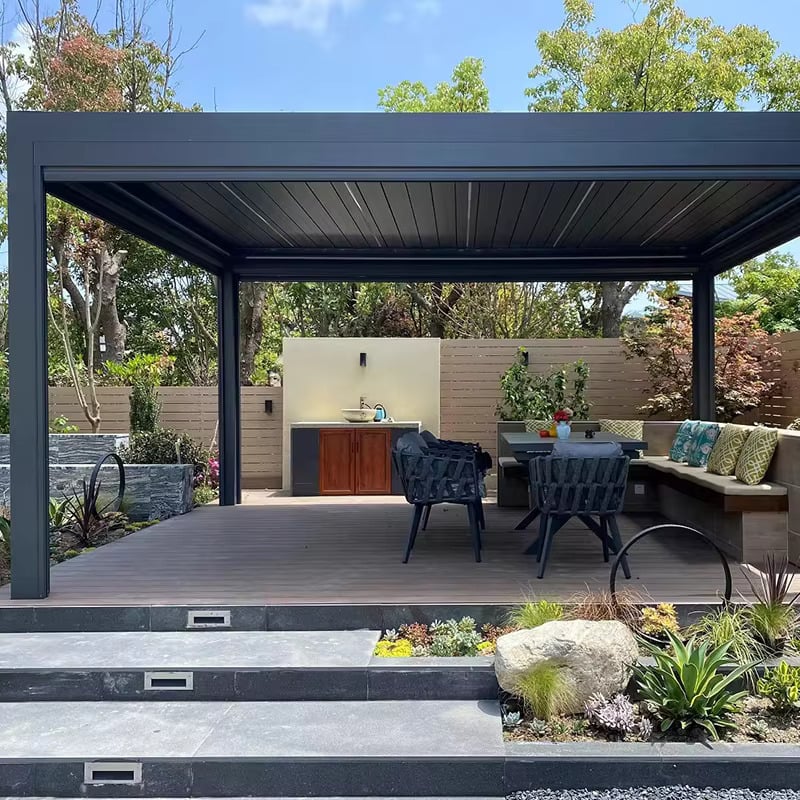
Modern interior aesthetics have evolved beyond simple functionality to embrace sophisticated shade design concepts that transform living and working spaces into dynamic environments. Contemporary shade design integrates cutting-edge materials, smart technology, and sustainable practices to create window treatments that serve as both functional elements and artistic statements. The evolution of shade design reflects broader trends in architecture, sustainability, and digital integration, making it essential for designers and homeowners to understand the latest innovations shaping this industry.
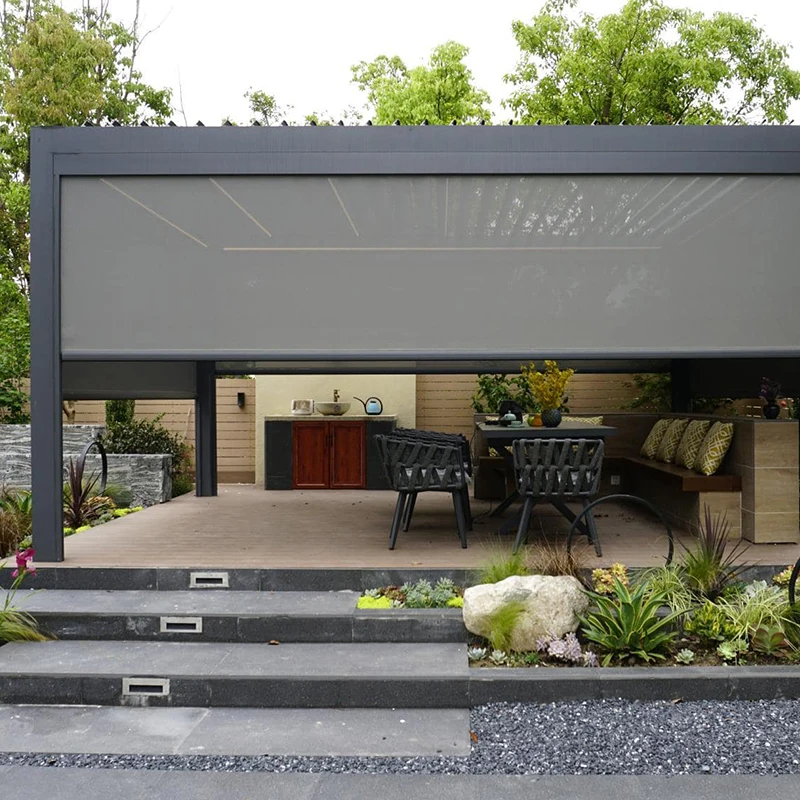
The transformation of shade design from purely functional window coverings to integral design elements represents a fundamental shift in how we approach interior spaces. Today's shade design solutions combine aesthetic appeal with advanced functionality, incorporating features like motorization, solar integration, and smart home connectivity. This evolution has created new opportunities for customization and personalization, allowing designers to create unique environments that reflect individual preferences while maintaining optimal light control and energy efficiency.
Smart Technology Integration in Contemporary Shade Design
Motorized Systems and Automation
The integration of motorized systems represents a significant advancement in shade design technology, offering unprecedented convenience and precision in light control. Modern motorized shade design solutions utilize quiet, efficient motors that can be controlled through various interfaces, including smartphone applications, voice commands, and integrated home automation systems. These systems allow for precise positioning of shades throughout the day, enabling users to optimize natural light while maintaining privacy and energy efficiency.
Advanced motorized shade design incorporates programmable schedules that automatically adjust window treatments based on time of day, seasonal changes, and occupancy patterns. This automation reduces energy consumption by maximizing natural light when needed and providing insulation during extreme weather conditions. The reliability and quiet operation of modern motorized systems make them suitable for both residential and commercial applications, where consistent performance is essential for daily operations.
Solar Panel Integration and Energy Efficiency
Revolutionary shade design now incorporates solar panel technology to create self-powered window treatment systems. These innovative solutions harness solar energy to power motorized components, eliminating the need for external power sources and reducing installation complexity. Solar-powered shade design systems represent the convergence of sustainability and functionality, offering long-term cost savings while minimizing environmental impact.
The efficiency of solar-integrated shade design continues to improve with advances in photovoltaic technology and battery storage systems. Modern installations can operate continuously even during periods of limited sunlight, thanks to improved energy storage capabilities. This technology is particularly valuable in commercial buildings where large numbers of automated shades would otherwise require extensive electrical infrastructure, making solar-powered solutions both economically and environmentally advantageous.
Material Innovation and Sustainability in Shade Design
Advanced Fabric Technologies
Contemporary shade design benefits from significant advances in fabric technology, including materials that offer superior light filtering, UV protection, and thermal insulation properties. High-performance fabrics used in modern shade design feature specialized coatings and weaves that maintain their appearance and functionality over extended periods, even under harsh environmental conditions. These materials combine durability with aesthetic appeal, offering designers a wide range of textures, colors, and opacity levels to achieve specific design objectives.
Nanotechnology applications in shade design fabrics have created materials with self-cleaning properties, antimicrobial treatments, and enhanced stain resistance. These innovations reduce maintenance requirements while improving hygiene and longevity, making them particularly valuable in healthcare facilities, restaurants, and high-traffic commercial spaces. The development of smart fabrics that can change opacity or color in response to environmental conditions represents the next frontier in shade design material technology.
Sustainable Manufacturing Practices
Environmental consciousness drives innovation in shade design manufacturing, with companies adopting sustainable materials and production processes to reduce ecological impact. Recycled materials, including post-consumer plastics and reclaimed fibers, are increasingly used in shade design applications without compromising quality or performance. This commitment to sustainability extends to packaging, shipping, and end-of-life disposal considerations, creating a comprehensive approach to environmental responsibility.
The circular economy principles are being integrated into shade design through programs that allow for component recycling and refurbishment. Manufacturers are designing products with disassembly in mind, enabling the separation and reuse of materials at the end of the product lifecycle. This approach not only reduces waste but also creates new economic opportunities within the shade design industry while supporting broader sustainability goals.
Customization and Personalization Trends
Digital Design Tools and Visualization
Advanced digital tools have revolutionized the shade design process, enabling precise customization and realistic visualization before installation. Computer-aided design software specific to shade design allows for accurate measurements, material selection, and performance modeling, ensuring optimal results for each unique application. These tools integrate with manufacturing systems to produce custom shade design solutions with minimal lead times and maximum precision.
Virtual and augmented reality technologies are becoming increasingly important in shade design consultation, allowing clients to experience proposed solutions in realistic simulations of their actual spaces. This technology reduces uncertainty and improves client satisfaction by providing clear expectations of how different shade design options will appear and function in specific environments. The ability to visualize various scenarios, including different times of day and seasonal conditions, helps clients make informed decisions about their shade design investments.
Architectural Integration and Custom Solutions
Modern shade design embraces architectural integration, with custom solutions designed to complement specific building features and design themes. This approach considers factors such as window shapes, ceiling heights, and overall interior design aesthetics to create cohesive environments where shade design elements enhance rather than compete with other design features. Custom mounting systems and hardware finishes ensure seamless integration with existing architectural elements.
The trend toward architectural integration in shade design extends to outdoor applications, where custom solutions must withstand environmental challenges while maintaining aesthetic appeal. Weather-resistant materials and specialized hardware enable shade design applications in challenging environments, including coastal areas, high-wind zones, and extreme temperature regions. These custom solutions require careful engineering and material selection to ensure long-term performance and appearance retention.
Commercial and Residential Applications
Workplace Environment Optimization
Contemporary shade design plays a crucial role in creating productive workplace environments by managing glare, controlling temperature, and providing privacy when needed. Office shade design solutions must balance natural light admission with computer screen visibility, requiring precise control over light direction and intensity. Modern workplace shade design incorporates sensors and automated systems that adjust throughout the day to maintain optimal working conditions without manual intervention.
The impact of shade design on employee wellbeing and productivity has become a significant consideration in commercial space planning. Studies demonstrate that proper light management through effective shade design can reduce eye strain, improve mood, and enhance cognitive performance. This understanding has led to more sophisticated shade design specifications in corporate environments, with systems designed to support circadian rhythm regulation and reduce artificial lighting dependence.
Residential Comfort and Style
Residential shade design priorities focus on comfort, privacy, and aesthetic enhancement, with homeowners seeking solutions that reflect personal style while providing practical benefits. Home shade design must accommodate varying needs throughout living spaces, from bedroom blackout requirements to living area ambiance control. The integration of smart home technology allows residential shade design systems to respond to lifestyle patterns and preferences automatically.
Energy efficiency considerations drive many residential shade design decisions, with homeowners recognizing the potential for significant utility cost savings through proper window treatment selection and operation. High-performance shade design can reduce heating and cooling loads substantially, making them an important component of overall home energy management strategies. The aesthetic versatility of modern shade design allows homeowners to achieve energy efficiency goals without compromising interior design vision.
Installation and Maintenance Considerations
Professional Installation Best Practices
Proper installation is critical to shade design performance and longevity, requiring specialized knowledge of mounting systems, motorization components, and fabric handling techniques. Professional installers must understand building construction methods, electrical systems, and safety protocols to ensure successful shade design projects. The complexity of modern shade design systems, particularly those with smart technology integration, necessitates ongoing training and certification for installation professionals.
Quality control during shade design installation involves precise measurements, secure mounting, and thorough system testing to verify proper operation. Installation teams must coordinate with other trades, including electricians and IT professionals, when integrating smart shade design systems with building automation infrastructure. Documentation of installation procedures and system configurations is essential for future maintenance and warranty support.
Long-term Maintenance and Support
Effective maintenance programs for shade design systems include regular inspection of mechanical components, fabric condition assessment, and software updates for smart systems. Preventive maintenance schedules help identify potential issues before they affect system performance, extending the useful life of shade design installations. Professional maintenance services offer expertise in troubleshooting complex motorized systems and ensuring optimal performance over time.
The evolution of shade design technology requires ongoing support for software updates, component upgrades, and compatibility maintenance with changing smart home standards. Manufacturers and dealers increasingly offer comprehensive service programs that include remote diagnostics, predictive maintenance alerts, and rapid response for critical system failures. This support infrastructure is essential for maintaining the advanced functionality that defines modern shade design solutions.
FAQ
What are the main benefits of motorized shade design systems
Motorized shade design systems provide convenience, precision, and energy efficiency benefits that traditional manual systems cannot match. These systems allow for exact positioning, programmable scheduling, and integration with smart home automation, resulting in improved comfort and reduced energy consumption. The quiet operation and reliable performance of modern motorized systems make them suitable for both residential and commercial applications where consistent functionality is essential.
How does solar panel integration work in shade design applications
Solar panel integration in shade design involves incorporating photovoltaic cells into the shade structure or mounting system to power motorized components independently of building electrical systems. These systems include battery storage to maintain operation during periods of limited sunlight and can significantly reduce installation costs by eliminating the need for electrical wiring. Solar-powered shade design represents an environmentally sustainable solution that continues to improve with advancing battery and solar cell technology.
What maintenance is required for modern shade design systems
Modern shade design systems require periodic inspection of mechanical components, fabric condition monitoring, and software updates for smart-enabled systems. Professional maintenance typically includes lubrication of moving parts, calibration of motorized systems, and replacement of worn components before they affect performance. The frequency of maintenance depends on usage patterns, environmental conditions, and system complexity, with most installations requiring professional service annually or biannually.
How can shade design improve energy efficiency in buildings
Effective shade design significantly improves building energy efficiency by reducing solar heat gain during cooling seasons and providing insulation during heating periods. Automated systems can optimize shade positioning throughout the day to maximize natural lighting while minimizing thermal loads on HVAC systems. Studies indicate that properly designed and operated shade systems can reduce building energy consumption by 15-25%, making them valuable components of comprehensive energy management strategies.