
 EN
EN
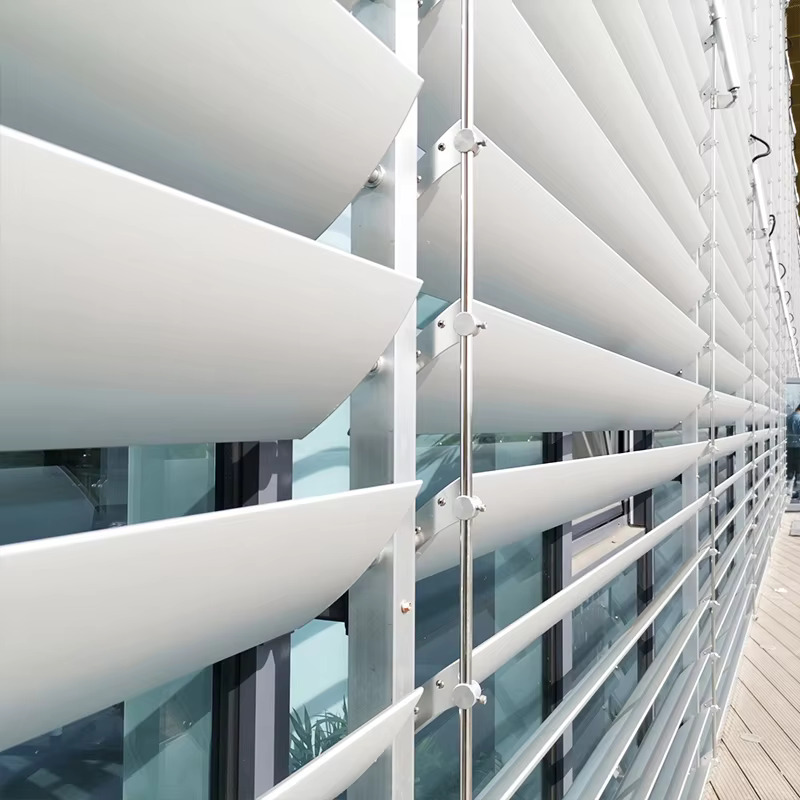
Property security has become increasingly important in today's world, where threats from both intruders and severe weather conditions continue to rise. An electric shutter system offers comprehensive protection that goes far beyond traditional security measures, combining cutting-edge technology with robust physical barriers. These automated protective systems provide homeowners and business owners with reliable defense mechanisms that operate efficiently while maintaining aesthetic appeal. Modern electric shutter solutions have revolutionized how property owners approach security, offering seamless integration with existing building infrastructure while delivering superior protection capabilities.
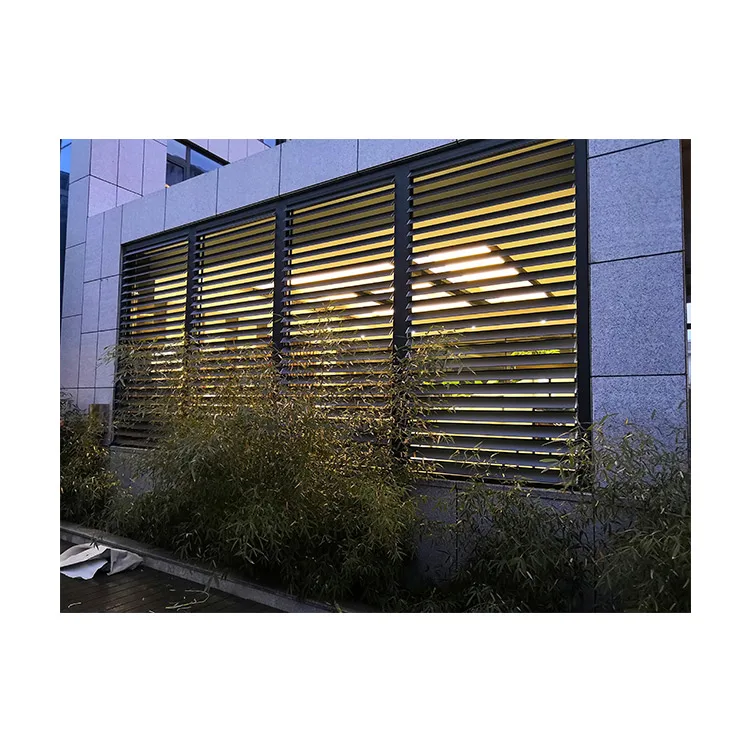
Understanding Electric Shutter Technology
Core Components and Mechanisms
The foundation of any effective electric shutter system lies in its sophisticated mechanical and electrical components. High-quality electric shutter installations feature reinforced aluminum or steel slats that interlock securely when deployed, creating an impenetrable barrier against unauthorized access. The motorized operation system typically includes powerful tubular motors that can handle substantial weight loads while maintaining smooth, quiet operation. Advanced control systems allow users to operate their electric shutter through various methods, including remote controls, smartphone applications, and integrated home automation platforms.
Modern electric shutter systems incorporate safety features such as obstacle detection sensors that prevent injury or damage during operation. These sensors automatically stop and reverse the shutter movement when encountering unexpected resistance, ensuring safe operation around people and vehicles. The electrical components are designed to withstand harsh weather conditions, with weatherproof housing and corrosion-resistant materials that maintain functionality even in challenging environments.
Power Systems and Backup Options
Reliable power delivery is crucial for effective electric shutter operation, particularly during emergency situations when security is most critical. Most systems operate on standard household electrical supply, with efficient motors that consume minimal energy during normal operation. Battery backup systems ensure continued functionality during power outages, allowing property owners to secure their premises even when the main electrical supply is compromised. Solar panel integration options are becoming increasingly popular, providing sustainable power solutions that reduce long-term operating costs while maintaining environmental responsibility.
Emergency manual override capabilities are standard features in quality electric shutter installations, allowing users to operate the system manually if electronic controls fail. This redundancy ensures that property protection remains available regardless of technical malfunctions or power supply issues, providing peace of mind for property owners who depend on their security systems for critical protection.
Security Benefits Against Intruders
Physical Barrier Protection
An electric shutter creates a formidable physical barrier that significantly deters criminal activity and unauthorized access attempts. The robust construction materials used in quality systems, typically reinforced aluminum or steel, resist cutting, drilling, and other common breach methods employed by intruders. The interlocking slat design distributes impact forces across the entire surface, making it extremely difficult to create openings large enough for human entry. This physical deterrent effect often causes potential intruders to abandon their attempts and seek easier targets elsewhere.
The visual impact of installed electric shutter systems also serves as a psychological deterrent, clearly communicating to potential intruders that the property is well-protected and monitored. Professional installation ensures proper mounting and structural integration that prevents the entire system from being compromised through anchor point failures. The seamless operation and professional appearance of modern electric shutter installations maintain property aesthetics while providing maximum security benefits.
Integration with Security Systems
Contemporary electric shutter systems integrate seamlessly with comprehensive security networks, including alarm systems, surveillance cameras, and access control platforms. Smart integration allows automated responses to security threats, such as automatically deploying shutters when intrusion alarms are triggered or when unauthorized movement is detected around the property. This integration creates layered security approaches that multiply the effectiveness of individual components while providing centralized monitoring and control capabilities.
Remote monitoring capabilities enable property owners to check and control their electric shutter systems from anywhere in the world through internet-connected applications. Real-time status updates, operation logs, and alert notifications keep users informed about their property security status at all times. Integration with professional monitoring services provides additional security layers, with trained personnel able to respond to alerts and coordinate appropriate emergency responses when necessary.
Storm Protection Capabilities
Wind Resistance and Structural Integrity
Electric shutter systems provide exceptional protection against severe weather conditions, particularly high winds and flying debris that accompany major storms. Engineering specifications for quality systems typically include wind load ratings that exceed local building code requirements, ensuring reliable protection even during extreme weather events. The continuous surface created by deployed shutters distributes wind pressure evenly across the structure, reducing stress concentrations that could lead to window or door failures during storms.
Proper installation techniques ensure that electric shutter systems become integral parts of the building structure, with mounting systems designed to transfer loads safely to the primary structural elements. Impact resistance testing demonstrates the ability of quality systems to withstand debris strikes from projectiles traveling at hurricane-force wind speeds. This protection extends beyond the immediate shutter area, as preventing window breakage helps maintain building envelope integrity and prevents interior damage from wind and water infiltration.
Water Infiltration Prevention
Advanced electric shutter designs incorporate weather sealing systems that prevent water infiltration during severe storms and heavy rainfall events. Precision manufacturing ensures tight tolerances between moving components, while specialized gaskets and seals create weatherproof barriers when shutters are fully deployed. Integrated drainage systems channel water away from critical areas, preventing accumulation that could compromise system operation or cause structural damage to surrounding building elements.
The protective envelope created by properly installed electric shutter systems helps maintain interior environmental conditions during storms, reducing the risk of humidity-related damage to building contents and interior finishes. This protection is particularly valuable for commercial properties where business continuity depends on maintaining operational facilities and protecting valuable equipment and inventory from weather-related damage.
Installation and Maintenance Considerations
Professional Installation Requirements
Proper installation is critical for realizing the full protective potential of electric shutter systems, requiring experienced professionals who understand both the mechanical and electrical aspects of these sophisticated systems. Site evaluation processes assess structural capabilities, electrical supply requirements, and operational clearances to ensure optimal system performance. Professional installers coordinate with other building systems, including electrical, security, and automation networks, to achieve seamless integration that maximizes functionality while maintaining aesthetic appeal.
Quality installation services include comprehensive testing and commissioning procedures that verify all system functions operate correctly under various conditions. Documentation packages provide users with operation manuals, maintenance schedules, and warranty information that support long-term system reliability. Training services help property owners and facility managers understand proper operation procedures and basic troubleshooting techniques that maintain system readiness and prevent operational issues.
Ongoing Maintenance and Service
Regular maintenance programs are essential for maintaining electric shutter system reliability and extending operational lifespan. Preventive maintenance schedules typically include lubrication of moving components, inspection of electrical connections, testing of safety systems, and cleaning of guide tracks and sealing surfaces. Professional service technicians can identify potential issues before they become operational problems, ensuring that systems remain ready for emergency deployment when protection is needed most.
Seasonal maintenance routines prepare electric shutter systems for specific weather challenges, such as pre-storm inspections that verify proper operation and post-storm evaluations that identify any damage requiring repair. Maintenance programs often include emergency service availability, providing rapid response capabilities when system failures occur during critical periods. Documentation of maintenance activities helps property owners track system condition and plan for eventual component replacement as part of long-term property management strategies.
Cost-Benefit Analysis and ROI
Initial Investment Considerations
The initial investment in electric shutter systems represents a significant financial commitment that requires careful evaluation of costs versus benefits for property protection. Pricing factors include system size, materials specification, automation level, integration requirements, and installation complexity. Quality systems typically command higher initial costs but provide superior reliability, longer service life, and better warranty protection that reduce long-term ownership costs. Financing options and installation incentives may be available to help property owners manage the initial investment while realizing immediate protection benefits.
Comparative analysis with alternative security and storm protection measures often reveals favorable cost relationships for electric shutter systems, particularly when considering the comprehensive protection provided by a single integrated solution. The elimination of recurring costs associated with temporary storm protection measures, such as plywood boarding, represents ongoing savings that contribute to system payback calculations. Insurance premium reductions available for properties with certified protection systems can provide additional financial benefits that improve the overall investment return.
Long-term Value and Property Enhancement
Electric shutter installations typically increase property values through enhanced security, weather protection, and energy efficiency benefits. Real estate professionals recognize the marketability advantages of properties equipped with comprehensive protection systems, particularly in areas prone to severe weather or security concerns. The permanent nature of installed systems, combined with their aesthetic integration with building architecture, creates lasting value that benefits property owners regardless of whether they remain in the property long-term.
Operational cost savings from reduced energy consumption, lower insurance premiums, and eliminated temporary protection expenses contribute to ongoing financial benefits that accumulate over the system lifespan. Reduced maintenance costs for windows and doors protected by electric shutter systems represent additional savings that improve overall return on investment calculations. The peace of mind provided by reliable protection systems also has intangible value that enhances quality of life for property owners and occupants.
Selection Criteria for Electric Shutters
Material and Construction Quality
Selecting appropriate electric shutter systems requires careful evaluation of construction materials and manufacturing quality to ensure long-term reliability and performance. Aluminum systems offer excellent corrosion resistance and lightweight operation, making them suitable for most residential and light commercial applications. Steel construction provides maximum security and impact resistance for high-risk applications where superior protection justifies the additional weight and cost considerations. Coating systems and finish options affect both appearance and durability, with powder coating and anodizing processes providing superior weather resistance compared to paint finishes.
Manufacturing quality indicators include precision in component dimensions, smooth operation of mechanical systems, and attention to detail in assembly processes. Reputable manufacturers provide comprehensive testing documentation that demonstrates compliance with relevant industry standards and local building codes. Quality assurance programs ensure consistent production standards and provide traceability for components that may require service or replacement during the system lifespan.
Automation and Control Features
Modern electric shutter systems offer various automation levels and control options that should align with user preferences and application requirements. Basic systems provide simple up-down operation through wall-mounted controls or remote devices, while advanced systems integrate with home automation platforms and provide scheduling, group operation, and remote monitoring capabilities. Smart home integration allows electric shutter operation through voice commands, smartphone applications, and automated responses to environmental conditions or security events.
Control system reliability is crucial for emergency operation, with quality systems incorporating multiple control methods and backup power options. User interface design should be intuitive and accessible to all potential operators, with clear status indicators and simple operation procedures. Programming capabilities for automated operation schedules help optimize system use for energy efficiency and security while reducing the need for manual intervention in daily operation routines.
FAQ
How much electricity does an electric shutter system consume during operation
Electric shutter systems are designed for energy efficiency, typically consuming between 200-500 watts during active operation, which usually lasts only 1-3 minutes per cycle. Most quality systems use high-efficiency tubular motors that minimize power consumption while providing reliable operation. Annual energy costs are generally minimal, often less than the cost of a monthly coffee shop visit, since the motors only operate during opening and closing cycles rather than continuously running.
Can electric shutters be operated manually during power outages
Yes, quality electric shutter systems include manual override mechanisms that allow operation during power failures or mechanical malfunctions. Most systems feature a manual crank or chain operation that can be accessed through removable panels or dedicated access points. Battery backup systems are also available for many models, providing several cycles of automated operation even when main power is unavailable, ensuring security capabilities remain functional during emergencies.
What maintenance is required to keep electric shutters functioning properly
Regular maintenance for electric shutter systems typically includes quarterly cleaning of guide tracks, annual lubrication of moving components, and periodic testing of safety systems and emergency controls. Professional service visits are recommended annually to inspect electrical connections, adjust limit switches, and verify proper operation of all system components. Most maintenance tasks are straightforward and can be performed by property owners, while electrical and mechanical adjustments should be handled by qualified service technicians.
How long do electric shutter systems typically last before requiring replacement
Quality electric shutter systems are designed for 15-25 year service lives when properly maintained and operated within design specifications. The robust construction materials and mechanical components used in quality systems resist wear and environmental degradation that could compromise operation. Motor systems may require replacement after 10-15 years of regular use, but this represents a relatively minor service cost compared to complete system replacement. Proper installation and regular maintenance significantly extend system lifespan and maintain reliable operation throughout the design life.