
 EN
EN
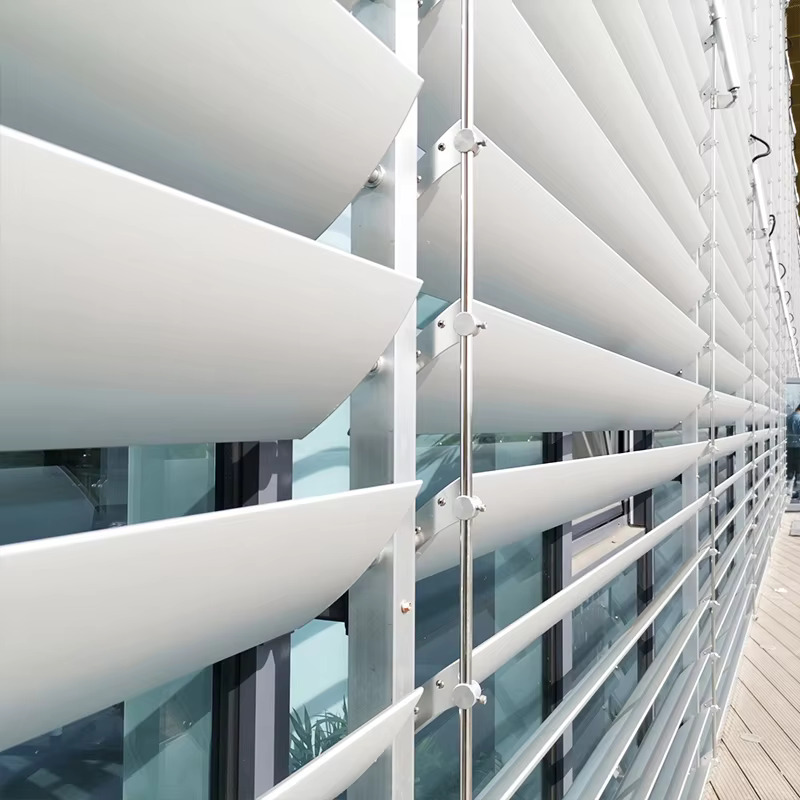
Creating the perfect outdoor living space requires careful consideration of multiple factors, with effective shade design being one of the most crucial elements for comfort and functionality. Modern homeowners and commercial property developers increasingly recognize that thoughtful shade design transforms ordinary spaces into inviting retreats that can be enjoyed throughout the day. The evolution of shade solutions has brought forth innovative options that combine aesthetic appeal with practical performance, making it essential to understand the distinct advantages and applications of different shading systems.
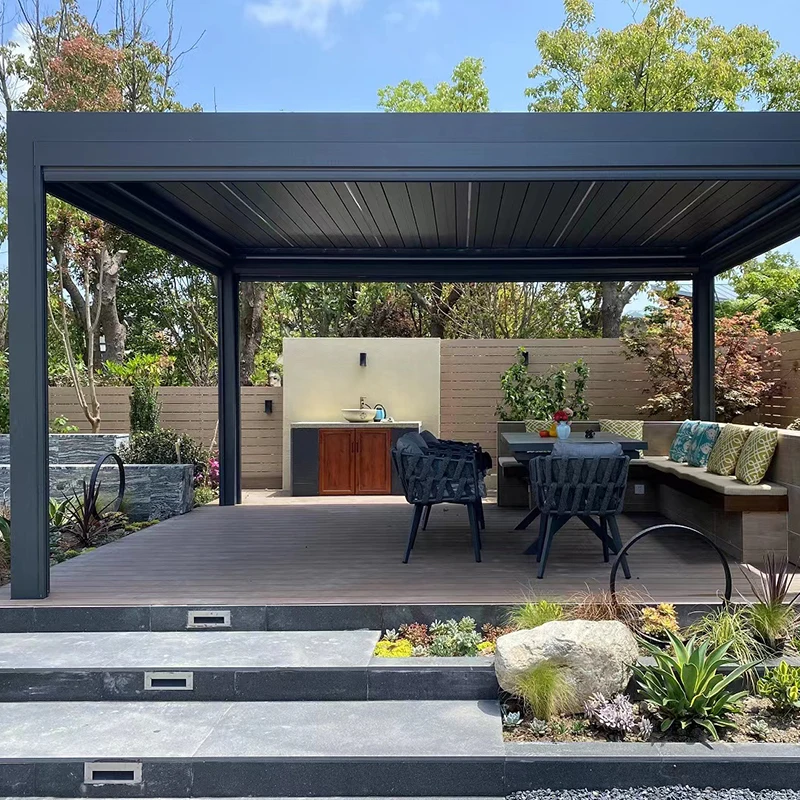
The contemporary approach to shade design encompasses not only protection from harsh sunlight but also considerations for privacy, weather resistance, and architectural integration. Professional designers emphasize that successful shade design must harmonize with existing structures while providing optimal coverage for intended uses. Whether addressing residential patios, commercial terraces, or hospitality venues, the right shade design solution can dramatically enhance both usability and property value.
Understanding the fundamental differences between blinds, awnings, and shutters enables property owners to make informed decisions that align with their specific requirements and design preferences. Each category offers unique benefits and installation considerations that directly impact long-term satisfaction and performance. This comprehensive comparison examines the technical specifications, aesthetic possibilities, and practical applications of these three primary shade design approaches.
Understanding Modern Blinds for Outdoor Shade Design
Versatility and Control in Contemporary Blind Systems
Modern outdoor blind systems represent a sophisticated evolution in shade design technology, offering unprecedented control over light filtration and privacy levels. These systems typically feature adjustable slats or panels that can be precisely positioned to accommodate changing sun angles throughout the day. The engineering behind contemporary blinds incorporates weather-resistant materials such as aluminum, composite polymers, and specialized fabrics designed to withstand prolonged outdoor exposure while maintaining their functional and aesthetic properties.
Professional shade design installations increasingly favor blind systems because of their adaptability to various architectural styles and functional requirements. The modular nature of blind components allows for custom sizing and configuration to fit unique spaces, while motorized options provide convenient remote operation. Advanced blind systems can integrate with smart home technologies, enabling automated adjustment based on sun position, weather conditions, or user preferences, making them an intelligent choice for modern shade design projects.
Material Innovation and Durability Considerations
The material science behind effective outdoor blinds has advanced significantly, with manufacturers developing specialized coatings and treatments that enhance performance in challenging environmental conditions. High-grade aluminum blinds feature powder-coated finishes that resist fading, corrosion, and thermal expansion, ensuring consistent operation and appearance over extended periods. Fabric blind options utilize solution-dyed acrylic fibers and UV-stabilized polymers that maintain color integrity while providing excellent shade design performance.
Quality blind systems incorporate precision-engineered hardware components including stainless steel cables, reinforced mounting brackets, and sealed bearing assemblies that contribute to smooth operation and long service life. The investment in premium materials directly correlates with the system's ability to deliver reliable shade design functionality while minimizing maintenance requirements. Professional installation ensures proper tensioning and alignment, which are critical factors in achieving optimal performance and preventing premature wear.
Installation Flexibility and Space Optimization
Blind systems excel in shade design applications where space efficiency and installation flexibility are primary concerns. These systems can be mounted in various configurations including wall-mounted, ceiling-suspended, or integrated into pergola structures, making them adaptable to diverse architectural scenarios. The compact profile of most blind systems allows for installation in areas where traditional awnings or shutters might be impractical due to clearance restrictions or aesthetic considerations.
The ability to retract blinds completely when not needed provides maximum space utilization and unobstructed views, which is particularly valuable in shade design projects where maintaining sight lines is important. This flexibility makes blinds an excellent choice for restaurants, cafes, and residential spaces where the ambiance can be quickly adapted to different occasions or weather conditions.
Awning Systems as Comprehensive Shade Design Solutions
Traditional Elegance Meets Modern Functionality
Awning systems have evolved from simple fabric extensions to sophisticated shade design solutions that combine classical aesthetics with advanced engineering. Modern retractable awnings feature robust aluminum frames with precision-engineered extension mechanisms that provide smooth, reliable operation over thousands of cycles. The integration of wind sensors, sun sensors, and remote control systems transforms traditional awnings into intelligent shade design components that respond automatically to environmental conditions.
Contemporary awning fabrics represent a significant advancement in shade design materials, utilizing solution-dyed acrylic fibers that resist fading, mildew, and water penetration while maintaining breathability. These high-performance textiles are available in extensive color and pattern selections, enabling designers to create custom shade design solutions that complement specific architectural themes. The three-dimensional coverage provided by awnings creates defined outdoor rooms that extend usable living space while providing protection from both sun and light precipitation.
Engineering Excellence in Retractable Systems
The mechanical complexity of quality retractable awning systems reflects decades of engineering refinement focused on delivering reliable shade design performance. Heavy-duty torsion bars and synchronized arm assemblies distribute loads evenly across the structure, preventing sagging and ensuring consistent fabric tension. Professional-grade motors incorporate thermal protection and obstruction sensing to prevent damage during operation, while battery backup systems maintain functionality during power outages.
Advanced awning systems feature programmable controls that allow users to set preferred extension levels for different times of day or seasonal conditions. The ability to partially extend awnings provides graduated shade design options that can accommodate various activities and comfort preferences. Integrated LED lighting systems transform awnings into evening entertainment spaces, extending their utility beyond pure shade design functionality.
Weather Protection and Seasonal Considerations
Awning systems excel in shade design applications that require protection from multiple weather elements beyond direct sunlight. The angled coverage provided by awnings effectively sheds rain while maintaining airflow underneath, creating comfortable microclimates for outdoor dining and entertainment. Quality awning fabrics incorporate water-repellent treatments that prevent pooling while allowing vapor transmission, reducing humidity buildup in covered areas.
Seasonal storage considerations make retractable awnings particularly attractive for climates with harsh winter conditions. The ability to fully retract and protect the fabric elements during off-seasons extends system lifespan and maintains appearance. Some advanced awning systems feature removable cassettes that provide complete protection for both fabric and mechanical components, ensuring optimal performance when shade design services are needed.
Shutter Solutions for Permanent Shade Design Integration
Architectural Integration and Aesthetic Impact
Exterior shutters represent the most architecturally integrated approach to shade design, becoming permanent elements that define a building's character while providing functional benefits. Modern louvered shutters combine traditional craftsmanship aesthetics with contemporary materials and engineering, creating shade design solutions that enhance property value while delivering practical performance. The fixed or adjustable louver configurations allow precise control over light filtration, ventilation, and privacy levels.
Professional shade design projects increasingly specify shutters for applications where permanent installation and minimal maintenance are priorities. High-quality shutter systems utilize powder-coated aluminum or engineered composite materials that resist warping, fading, and insect damage while maintaining dimensional stability across temperature variations. The substantial construction of shutter systems provides enhanced security benefits in addition to shade design functionality.
Operational Mechanisms and Control Systems
Modern shutter systems incorporate sophisticated operating mechanisms that transform static installations into dynamic shade design elements. Motorized louver control allows precise adjustment of individual slats to optimize light filtration and airflow for changing conditions throughout the day. Remote control and smartphone integration enable convenient adjustment from interior spaces, while programmable timers can automate louver positioning based on established schedules.
The engineering of quality shutter systems emphasizes smooth operation and long-term reliability through the use of sealed gear drives, corrosion-resistant linkages, and precision-machined components. Manual override capabilities ensure continued functionality during power outages, while integrated position feedback systems provide accurate louver control. These technical features make shutters particularly suitable for commercial shade design applications where consistent performance is critical.
Durability and Long-Term Value Proposition
Shutter systems represent the most permanent and durable approach to shade design, with quality installations providing decades of reliable service with minimal maintenance requirements. The substantial construction and premium materials used in professional shutter systems justify higher initial costs through superior longevity and reduced lifecycle expenses. Powder-coated finishes resist chalking, fading, and corrosion while maintaining appearance standards that complement architectural themes.
The fixed nature of shutter installations eliminates concerns about fabric replacement, mechanical wear from repeated extension cycles, and seasonal storage requirements that affect other shade design options. This permanence makes shutters particularly attractive for commercial properties where consistent appearance and minimal maintenance disruption are important considerations. The security benefits provided by substantial shutter construction add value beyond pure shade design functionality.
Comparative Analysis for Optimal Shade Design Selection
Cost Considerations Across Different Systems
The financial investment required for different shade design approaches varies significantly based on system complexity, material quality, and installation requirements. Blind systems typically offer the most cost-effective entry point for basic shade design needs, with simple manual systems available at modest price points. However, motorized blinds with smart controls can approach awning system costs, making direct price comparisons complex without considering specific feature requirements.
Awning systems generally require moderate to substantial investment depending on size, fabric quality, and automation features. The mechanical complexity of retractable systems and premium fabric costs contribute to higher initial expenses, but the versatility and weather protection capabilities often justify the investment for comprehensive shade design solutions. Professional installation costs for awnings are typically higher than blinds due to structural mounting requirements and electrical connections for motorized systems.
Shutter systems represent the highest initial investment category but provide exceptional long-term value through durability and minimal maintenance requirements. The permanent nature of shutter installations eliminates ongoing expenses for fabric replacement, motor servicing, and seasonal storage that may affect other shade design options. Property value enhancement from quality shutter installations often offsets initial costs over time.
Maintenance Requirements and Service Accessibility
Ongoing maintenance considerations significantly impact the total cost of ownership for different shade design systems. Blind systems require regular cleaning and occasional hardware adjustment, but most maintenance tasks can be performed by property owners without professional assistance. Fabric blind components may require periodic replacement depending on exposure levels and material quality, while aluminum systems typically need only occasional lubrication and hardware inspection.
Awning systems demand more comprehensive maintenance protocols to ensure reliable operation and fabric longevity. Regular cleaning of both fabric and mechanical components is essential, while motor systems require periodic inspection and lubrication. Fabric replacement represents a significant maintenance expense that should be considered in long-term shade design planning. The seasonal nature of awning use in some climates requires careful storage procedures to prevent damage during extended retraction periods.
Shutter systems offer the lowest maintenance requirements among major shade design options, with annual cleaning and occasional hardware lubrication typically sufficient to maintain optimal performance. The permanent materials and robust construction minimize weather-related wear, while the absence of fabric components eliminates replacement cycles. Professional maintenance intervals can be extended significantly compared to other shade design systems.
Performance Optimization for Specific Applications
Selecting the optimal shade design approach requires careful consideration of specific performance requirements and usage patterns. Blind systems excel in applications requiring precise light control and maximum flexibility, making them ideal for restaurants, cafes, and residential spaces where ambiance adjustment is frequently needed. The ability to achieve varying opacity levels through slat positioning provides nuanced control over both shading and privacy.
Awning systems provide superior weather protection and create defined outdoor spaces, making them optimal for comprehensive shade design solutions where both sun and rain protection are needed. The three-dimensional coverage and integrated drainage capabilities make awnings particularly suitable for dining areas, pool decks, and entertainment spaces where consistent usability is important. The aesthetic impact of quality awning installations enhances the perceived value of outdoor spaces.
Shutter systems deliver maximum durability and architectural integration, making them ideal for permanent installations where consistent performance and minimal maintenance are priorities. Commercial applications benefit from the security enhancements and weather resistance provided by substantial shutter construction. The ability to provide both complete closure and graduated light control through louver adjustment makes shutters versatile despite their permanent installation.
FAQ
What factors should guide my shade design system selection
The optimal shade design choice depends on your specific requirements including budget constraints, maintenance preferences, aesthetic goals, and functional needs. Consider the frequency of adjustment required, weather protection needs, architectural compatibility, and long-term durability expectations. Blind systems offer maximum flexibility and moderate costs, awnings provide comprehensive weather protection with seasonal versatility, while shutters deliver permanent solutions with minimal maintenance requirements.
How do different shade design options perform in extreme weather conditions
Weather performance varies significantly among shade design options, with each system having specific strengths and limitations. Blind systems require retraction during severe weather but offer quick deployment for normal conditions. Awning systems provide excellent rain protection when extended but must be retracted for high winds, while quality systems include automatic wind sensors for protection. Shutter systems offer the best severe weather resistance and can remain operational during storms while providing additional security benefits.
What maintenance schedules optimize shade design system performance
Effective maintenance schedules vary by system type but generally follow predictable patterns for optimal shade design performance. Blind systems benefit from monthly cleaning and quarterly hardware inspection, with annual professional servicing for motorized components. Awning systems require bi-weekly fabric cleaning during active seasons, monthly mechanical inspection, and professional motor servicing annually. Shutter systems need only seasonal cleaning and annual hardware lubrication, making them the lowest maintenance shade design option.
How do installation requirements differ between shade design systems
Installation complexity and requirements vary significantly among shade design options, affecting both cost and timeline considerations. Blind systems typically require simple mounting brackets and basic hardware, making installation straightforward for most applications. Awning systems need substantial structural mounting and electrical connections for motorized units, requiring professional installation and possible permit requirements. Shutter systems involve permanent architectural integration with custom fitting and substantial mounting hardware, representing the most complex installation process but providing the most durable shade design solution.