
 EN
EN

Commercial properties require reliable security solutions that combine functionality with convenience, and electric shutter doors have emerged as the preferred choice for businesses across various industries. These automated systems offer superior protection while streamlining daily operations through remote control capabilities. Modern electric shutter doors integrate advanced motor technology with durable construction materials to deliver long-lasting performance in demanding commercial environments. Business owners increasingly recognize that investing in quality electric shutter systems provides both immediate operational benefits and long-term cost savings through reduced maintenance requirements and enhanced security features.
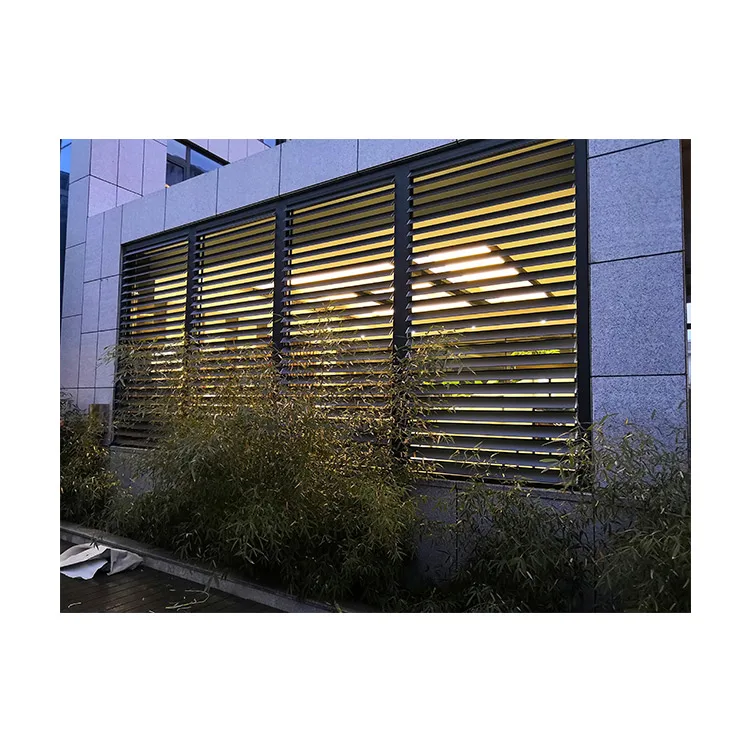
Understanding Electric Shutter Technology and Components
Motor Systems and Power Requirements
The heart of any electric shutter system lies in its motor configuration, which determines operational reliability and performance longevity. High-quality electric shutter motors typically feature tubular designs that integrate seamlessly within the roller housing, providing compact installation while delivering substantial lifting power. These motors operate on standard electrical supplies ranging from 220V to 380V depending on shutter size and weight specifications. Advanced motor systems incorporate thermal protection circuits that prevent overheating during extended operation cycles, ensuring consistent performance throughout demanding commercial applications.
Power consumption considerations play a crucial role in electric shutter selection, particularly for businesses operating multiple units simultaneously. Modern electric shutter motors utilize energy-efficient designs that minimize operational costs while maintaining robust lifting capabilities. Variable speed control mechanisms allow precise adjustment of opening and closing speeds, accommodating specific operational requirements while reducing mechanical stress on system components. Remote control integration enables operators to manage multiple electric shutter units from centralized locations, streamlining facility management procedures across large commercial properties.
Control Systems and Automation Features
Contemporary electric shutter systems incorporate sophisticated control mechanisms that extend far beyond basic remote operation capabilities. Smart control panels feature programmable timing functions that allow automated opening and closing schedules aligned with business operating hours. Integration with building management systems enables centralized monitoring and control of multiple electric shutter units throughout commercial facilities. Advanced control systems include manual override functions that maintain operational flexibility during power outages or emergency situations requiring immediate access.
Safety features represent critical components in modern electric shutter control systems, incorporating obstacle detection sensors that automatically halt operation when obstructions are encountered. Emergency stop functions provide immediate shutdown capabilities during maintenance procedures or unexpected operational issues. Backup power options ensure continued electric shutter functionality during electrical interruptions, maintaining security protocols even during extended outages. Integration capabilities with security alarm systems create comprehensive protection networks that enhance overall facility security through coordinated response mechanisms.
Material Selection and Construction Quality
Aluminum and Steel Construction Options
Material selection significantly impacts electric shutter durability, maintenance requirements, and overall operational lifespan in commercial applications. Aluminum construction offers excellent corrosion resistance combined with lightweight characteristics that reduce motor load requirements and extend system longevity. High-grade aluminum alloys provide superior strength-to-weight ratios while maintaining aesthetic appeal through various powder coating finish options. These materials resist environmental degradation from moisture, temperature fluctuations, and chemical exposure common in industrial environments.
Steel construction provides maximum security benefits for high-risk commercial applications requiring enhanced protection against forced entry attempts. Galvanized steel treatments offer exceptional corrosion resistance while maintaining structural integrity under extreme loading conditions. Electric shutter systems utilizing steel construction typically feature reinforced guide rails and mounting hardware designed to withstand significant lateral forces. Composite material options combine aluminum and steel components to optimize both security performance and operational efficiency while managing overall system weight.
Insulation and Weather Protection Features
Insulated electric shutter designs provide significant energy efficiency benefits for climate-controlled commercial facilities through enhanced thermal barrier properties. Polyurethane foam core insulation systems reduce heat transfer while maintaining structural rigidity required for reliable electric shutter operation. Double-wall construction techniques create air spaces that further enhance thermal performance while reducing operational noise levels during opening and closing cycles. These features prove particularly valuable for warehouses, manufacturing facilities, and retail spaces requiring precise temperature control.
Weather sealing systems protect interior spaces from moisture infiltration, dust accumulation, and temperature extremes that can damage inventory or disrupt operations. Advanced electric shutter designs incorporate multiple sealing points along guide rails, bottom bars, and header assemblies to create comprehensive environmental barriers. Wind load ratings ensure reliable operation during adverse weather conditions while maintaining structural integrity under extreme environmental stresses. UV-resistant finishes prevent material degradation from prolonged sunlight exposure, maintaining both functional performance and aesthetic appearance throughout extended service periods.
Security Features and Access Control Integration
Locking Mechanisms and Anti-Theft Protection
Security considerations drive many commercial electric shutter installations, requiring robust locking mechanisms that deter unauthorized access while maintaining convenient authorized operation. Multi-point locking systems engage automatically during closing cycles, securing shutters at multiple positions along guide rails to distribute load forces and enhance overall security effectiveness. Electronic lock integration enables remote locking and unlocking capabilities through smartphone applications or centralized security systems. Tamper-resistant hardware prevents unauthorized manual operation while maintaining emergency access capabilities for authorized personnel.
Advanced anti-theft features include reinforced bottom bars designed to resist prying attempts and impact damage from vehicles or tools. Electric shutter systems with security-focused designs incorporate hardened steel components at vulnerable points while maintaining smooth operational characteristics. Alarm integration capabilities trigger immediate notifications when unauthorized access attempts are detected, enabling rapid security response. Motion sensor compatibility creates comprehensive perimeter protection systems that monitor both shutter status and surrounding areas for suspicious activity.
Access Control System Integration
Modern electric shutter systems seamlessly integrate with existing access control infrastructure to create unified security management platforms. Card reader compatibility allows authorized personnel to operate shutters using existing employee identification systems, eliminating separate key management requirements. Biometric authentication options provide enhanced security levels for sensitive areas requiring restricted access controls. Time-based access restrictions ensure electric shutter operation aligns with established security protocols and business operating procedures.
Network connectivity enables real-time monitoring and control of electric shutter systems through web-based management interfaces accessible from any authorized device. Audit trail capabilities maintain detailed records of all operational activities, including user identification, access times, and system status changes. Integration with video surveillance systems provides visual verification of electric shutter operations while creating comprehensive security documentation. Mobile application support allows facility managers to monitor and control electric shutter systems remotely, enhancing operational flexibility while maintaining security oversight.
Installation Requirements and Professional Considerations
Structural Requirements and Load Calculations
Proper electric shutter installation requires comprehensive structural analysis to ensure adequate support for operational loads and wind resistance requirements. Professional engineers evaluate existing building structures to determine reinforcement needs and appropriate mounting configurations. Load calculations consider shutter weight, wind loads, and dynamic forces generated during operation cycles to specify suitable attachment hardware and structural supports. Seismic considerations may require additional bracing systems in regions prone to earthquake activity, ensuring electric shutter systems remain functional during and after seismic events.
Foundation requirements vary significantly based on electric shutter size, mounting configuration, and local building codes governing commercial installations. Concrete pad specifications must accommodate anchor bolt patterns while providing adequate load distribution to prevent settling or structural movement. Guide rail alignment precision affects operational smoothness and component longevity, requiring careful measurement and adjustment during installation procedures. Professional installation teams utilize specialized equipment to ensure precise positioning and secure mounting of all electric shutter components.
Electrical Infrastructure and Code Compliance
Electrical requirements for electric shutter systems extend beyond simple power connections to include control circuits, safety devices, and emergency systems that ensure reliable operation and code compliance. Licensed electricians must evaluate existing electrical capacity and implement appropriate circuit protection measures that accommodate motor starting currents and operational loads. Ground fault circuit interrupter protection may be required in certain installations to meet safety standards and local electrical codes. Dedicated electrical circuits prevent interference with other building systems while ensuring consistent electric shutter performance.
Control wiring installations require careful planning to accommodate remote control devices, safety sensors, and integration with existing building management systems. Conduit routing must protect wiring from environmental exposure while maintaining accessibility for future maintenance and system modifications. Emergency disconnect switches provide immediate shutdown capabilities that comply with safety regulations while facilitating maintenance procedures. Backup power system connections ensure continued electric shutter operation during electrical outages, maintaining security and operational continuity for critical commercial applications.
Maintenance Protocols and Operational Optimization
Preventive Maintenance Scheduling
Regular maintenance protocols significantly extend electric shutter system lifespan while preventing costly operational disruptions that impact business operations. Monthly inspection schedules should include visual examination of guide rails, weather sealing, and motor mounting assemblies to identify early signs of wear or damage. Lubrication procedures for moving components prevent premature wear while ensuring smooth operation throughout varying temperature conditions. Professional maintenance teams document component conditions and operational parameters to establish baseline performance metrics and identify developing issues before they cause system failures.
Seasonal maintenance activities address environmental impacts specific to local climate conditions that affect electric shutter performance and longevity. Winter preparations may include applying low-temperature lubricants and inspecting weather sealing systems for potential freeze damage. Spring maintenance typically focuses on cleaning accumulated debris from guide rails and inspecting electrical connections for corrosion or moisture intrusion. Annual comprehensive inspections by qualified technicians ensure all safety systems function properly while identifying components approaching replacement intervals.
Performance Monitoring and Optimization
Advanced electric shutter systems incorporate diagnostic capabilities that enable continuous performance monitoring and predictive maintenance scheduling. Motor current monitoring identifies developing mechanical issues before they cause operational failures, allowing proactive maintenance interventions that minimize downtime. Cycle counting systems track usage patterns to optimize maintenance intervals based on actual operational demands rather than arbitrary time schedules. Temperature monitoring prevents overheating conditions that could damage motor components or control electronics.
Operational optimization involves adjusting electric shutter settings to match specific application requirements while maximizing system efficiency and longevity. Speed adjustments balance operational convenience with mechanical stress reduction, extending component lifespan while maintaining adequate operational responsiveness. Limit switch calibration ensures precise positioning while preventing mechanical overtravel that could damage components. Regular performance testing validates all safety systems including emergency stops, obstacle detection, and manual override functions to ensure reliable operation during critical situations.
Cost Analysis and Return on Investment
Initial Investment Considerations
Electric shutter system costs vary significantly based on size specifications, material selection, control features, and installation complexity that characterize individual commercial applications. High-quality electric shutter units typically represent substantial initial investments that require careful evaluation of long-term benefits and operational savings. Professional installation costs depend on structural modifications, electrical infrastructure requirements, and local labor rates that affect total project budgets. Financing options may include lease arrangements or extended payment terms that help businesses manage initial capital requirements while implementing improved security and operational efficiency.
Comparative analysis should consider total ownership costs including maintenance requirements, energy consumption, and expected service life when evaluating different electric shutter options. Premium systems often justify higher initial costs through reduced maintenance needs, enhanced security features, and extended warranty coverage that provides long-term value. Installation complexity significantly impacts overall project costs, making professional site surveys essential for accurate budget planning and avoiding unexpected expenses during construction phases.
Long-term Savings and Benefits
Operational savings from electric shutter installations accumulate through reduced labor costs, improved security effectiveness, and enhanced operational efficiency that benefit business operations over extended periods. Automated operation eliminates manual labor requirements for opening and closing procedures while ensuring consistent security protocols regardless of staffing availability. Energy savings result from improved insulation properties and precise operational control that reduces heating and cooling losses through building openings. Insurance premium reductions often reflect improved security measures that reduce theft and vandalism risks.
Productivity improvements result from streamlined facility operations that eliminate delays associated with manual door operations during busy periods. Electric shutter systems enable rapid response to changing operational requirements while maintaining consistent security levels throughout varying operational schedules. Property value enhancement reflects improved facility functionality and security measures that appeal to potential tenants or buyers in commercial real estate markets. Return on investment calculations typically demonstrate payback periods ranging from three to seven years depending on specific application requirements and operational benefits achieved through electric shutter implementation.
FAQ
What electrical requirements are needed for commercial electric shutter installation
Commercial electric shutter systems typically require dedicated electrical circuits ranging from 220V to 380V depending on motor specifications and shutter size. Installation requires licensed electricians to evaluate existing electrical capacity, implement appropriate circuit protection, and ensure compliance with local electrical codes. Ground fault circuit interrupter protection may be mandatory in certain installations, while emergency disconnect switches provide required safety features. Control wiring for remote operation and safety sensors requires additional electrical planning to ensure proper system integration and reliable operation.
How often should electric shutter systems undergo professional maintenance
Professional electric shutter maintenance should occur annually at minimum, with quarterly inspections recommended for high-use commercial applications. Monthly visual inspections by facility personnel help identify obvious issues before they cause operational problems. Seasonal maintenance addresses environmental impacts specific to local climate conditions, while comprehensive annual service includes motor testing, electrical connection inspection, and safety system validation. Usage-based maintenance scheduling optimizes service intervals based on actual operational cycles rather than arbitrary time periods.
What security features distinguish commercial grade electric shutter systems
Commercial electric shutter systems incorporate multi-point locking mechanisms, reinforced construction materials, and tamper-resistant hardware that provide superior security compared to residential applications. Electronic lock integration enables remote access control while maintaining emergency override capabilities. Advanced systems include alarm integration, motion sensor compatibility, and audit trail capabilities that create comprehensive security management platforms. Reinforced components at vulnerable points resist forced entry attempts while maintaining smooth operational characteristics essential for frequent commercial use.
How do weather conditions affect electric shutter performance and selection
Weather resistance significantly impacts electric shutter selection for commercial applications, requiring appropriate material selection and sealing systems to withstand local environmental conditions. Wind load ratings ensure reliable operation during adverse weather while maintaining structural integrity under extreme conditions. Insulated designs provide thermal barrier properties that reduce energy costs while protecting interior spaces from temperature extremes. UV-resistant finishes prevent material degradation from prolonged sunlight exposure, while corrosion-resistant treatments protect against moisture and chemical exposure in various industrial environments.
Table of Contents
- Understanding Electric Shutter Technology and Components
- Material Selection and Construction Quality
- Security Features and Access Control Integration
- Installation Requirements and Professional Considerations
- Maintenance Protocols and Operational Optimization
- Cost Analysis and Return on Investment
-
FAQ
- What electrical requirements are needed for commercial electric shutter installation
- How often should electric shutter systems undergo professional maintenance
- What security features distinguish commercial grade electric shutter systems
- How do weather conditions affect electric shutter performance and selection