
 EN
EN
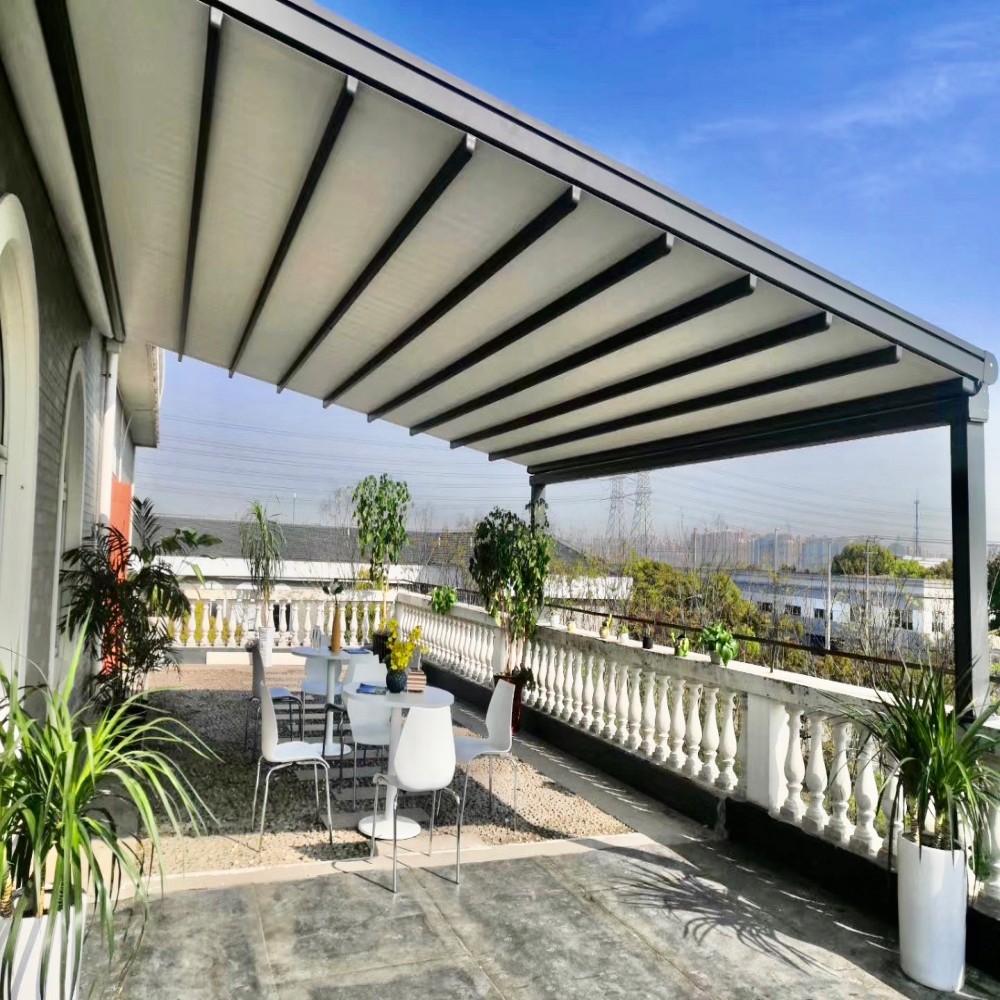
Outdoor living spaces have become increasingly important as homeowners seek to extend their usable square footage beyond traditional indoor boundaries. The integration of sophisticated shade solutions can dramatically enhance the functionality, comfort, and aesthetic appeal of patios, decks, terraces, and commercial outdoor areas. Modern architectural elements like retractable pergola systems offer unprecedented flexibility in creating dynamic outdoor environments that adapt to changing weather conditions and user preferences throughout the day and seasons.
The transformation potential of advanced shade structures extends far beyond simple weather protection. These innovative solutions create distinct microclimates within outdoor spaces, enabling year-round utilization regardless of seasonal variations. Property owners who invest in quality retractable pergola systems often discover that their outdoor areas become the most frequently used and enjoyed portions of their entire property, serving as natural extensions of interior living spaces while maintaining direct connection to the natural environment.
Understanding Modern Retractable Pergola Technology
Structural Engineering and Design Principles
Contemporary retractable pergola systems incorporate advanced engineering principles that ensure both structural integrity and operational reliability. The framework typically utilizes high-grade aluminum alloys or steel components that provide exceptional strength-to-weight ratios while resisting corrosion and weather-related deterioration. These materials undergo specialized surface treatments that enhance durability and maintain aesthetic appeal over extended periods of outdoor exposure.
The retractable mechanism represents a sophisticated integration of mechanical engineering and user-friendly operation. High-quality systems employ precision-engineered track systems, tensioning mechanisms, and fabric management components that enable smooth, consistent operation across thousands of cycles. The engineering tolerances required for reliable long-term performance demand careful attention to component quality, assembly precision, and installation techniques that ensure optimal functionality throughout the system's operational lifespan.
Fabric Technology and Weather Resistance
Modern retractable pergola covers utilize advanced textile technologies that provide superior weather resistance, UV protection, and longevity compared to traditional awning materials. High-performance fabrics incorporate solution-dyed fibers that resist fading, specialized coatings that repel water and resist mildew, and reinforcement techniques that maintain structural integrity under wind loads and repeated flexing cycles.
The selection of appropriate fabric technology significantly impacts both the immediate performance and long-term value of a retractable pergola installation. Premium materials often include advanced features such as self-cleaning surfaces, enhanced breathability for air circulation, and specialized weave patterns that optimize the balance between shade provision and natural light transmission. These technological advances enable property owners to customize their outdoor environment according to specific comfort preferences and functional requirements.
Installation Considerations and Site Requirements
Structural Assessment and Foundation Requirements
Successful retractable pergola installation requires comprehensive evaluation of existing structural conditions and site-specific factors that influence system performance and longevity. Professional assessment typically includes analysis of load-bearing capacities, wind exposure conditions, drainage patterns, and proximity to existing structures that may affect installation methodology or operational characteristics.
Foundation requirements vary significantly depending on the specific retractable pergola design, local building codes, and environmental conditions. Freestanding systems typically require substantial concrete foundations with appropriate depth and reinforcement to resist uplift forces and lateral loads. Attached systems must be properly anchored to existing structures using appropriate fastening methods that distribute loads safely without compromising the integrity of the supporting building elements.
Electrical and Control System Integration
Modern retractable pergola systems increasingly incorporate motorized operation that requires careful planning of electrical infrastructure and control system placement. Professional installation includes proper routing of electrical conductors, installation of appropriate circuit protection, and integration with existing building electrical systems according to local electrical codes and manufacturer specifications.
Advanced control systems may include features such as wind sensors, rain detection, smartphone integration, and programmable operation schedules that enhance user convenience while protecting the system from potentially damaging weather conditions. The integration of these technological features requires coordination between mechanical installation and electrical work to ensure seamless operation and reliable long-term performance of the complete retractable pergola system.
Commercial Applications and Business Benefits
Restaurant and Hospitality Industry Applications
The hospitality industry has embraced retractable pergola technology as a means of expanding usable dining space while providing flexible weather protection for outdoor seating areas. Restaurants can significantly increase their capacity by creating comfortable outdoor dining environments that remain functional across varying weather conditions. The ability to quickly adjust coverage in response to changing conditions enables establishments to maintain customer comfort while maximizing seating utilization throughout operating hours.
Commercial retractable pergola installations often incorporate additional features such as integrated heating systems, lighting packages, and acoustic treatments that create comprehensive outdoor dining experiences. These enhanced environments can command premium pricing while providing customers with unique dining experiences that differentiate establishments from competitors operating solely indoor facilities. The investment in quality shade systems typically generates positive return through increased revenue capacity and extended operating seasons.
Retail and Event Space Applications
Retail establishments increasingly utilize retractable pergola systems to create attractive outdoor display areas, seasonal shopping environments, and special event spaces that enhance customer experience while expanding operational flexibility. The ability to create comfortable outdoor environments enables retailers to extend their effective floor space during favorable weather while maintaining the option to close coverage during adverse conditions.
Event venues benefit from retractable pergola installations through the creation of adaptable spaces that can accommodate various event types and weather scenarios. The flexibility inherent in quality retractable pergola systems enables venue operators to offer outdoor ceremony options, covered reception areas, and transitional spaces that bridge indoor and outdoor environments according to specific event requirements and prevailing weather conditions.
Maintenance Requirements and Long-term Performance
Preventive Maintenance Protocols
Proper maintenance of retractable pergola systems ensures optimal performance and extends operational lifespan while minimizing repair costs and operational disruptions. Regular maintenance protocols typically include cleaning of fabric surfaces, lubrication of mechanical components, inspection of fasteners and structural elements, and testing of motorized operation systems to identify potential issues before they result in system failures.
The frequency and intensity of required maintenance activities depend on environmental conditions, usage patterns, and the quality of initial installation. Coastal environments may require more frequent attention due to salt exposure, while areas with heavy tree coverage may need more regular fabric cleaning to prevent organic matter accumulation. Professional maintenance services often provide comprehensive programs that ensure consistent care while maintaining manufacturer warranty requirements.
Component Replacement and System Upgrades
Quality retractable pergola systems are designed for long-term operation with periodic component replacement rather than complete system replacement. Fabric covers typically require replacement every ten to fifteen years depending on environmental conditions and usage patterns, while mechanical components may need periodic service or replacement to maintain optimal operation.
Technology upgrades often enable older retractable pergola installations to benefit from advances in control systems, fabric technology, or operational features without requiring complete system replacement. The modular design of many systems facilitates component upgrades that enhance functionality while preserving the substantial investment in structural elements and installation work that comprise the majority of total system cost.
Design Integration and Aesthetic Considerations
Architectural Compatibility and Style Coordination
Successful retractable pergola integration requires careful consideration of existing architectural elements, landscape design, and overall property aesthetics to create cohesive outdoor environments that enhance rather than detract from existing design themes. The selection of appropriate colors, materials, and proportions significantly influences the visual impact and long-term satisfaction with the installation.
Contemporary retractable pergola designs offer extensive customization options that enable precise coordination with existing architectural features, color schemes, and material palettes. The ability to specify custom colors, fabric patterns, and structural finishes ensures that new installations complement existing design elements while creating distinct outdoor spaces that serve their intended functional purposes.
Landscape Integration and Plant Compatibility
The integration of retractable pergola systems with existing or planned landscape elements requires consideration of plant selection, irrigation requirements, and growth patterns that may affect system operation or maintenance access. Proper planning ensures that landscape and shade system elements work together to create attractive, functional outdoor environments that mature gracefully over time.
Microclimate changes created by retractable pergola installations may influence plant selection and placement decisions in adjacent areas. The modified light levels, air circulation patterns, and moisture conditions beneath and around shade structures often create opportunities for plant varieties that might not thrive in fully exposed locations, enabling more diverse and interesting landscape designs.
Economic Benefits and Return on Investment
Property Value Enhancement
Professional retractable pergola installations typically generate positive return on investment through enhanced property values that reflect improved outdoor living capabilities and increased usable space. Real estate professionals consistently report that quality outdoor improvements, particularly those that extend usable seasons and provide weather protection, contribute significantly to property marketability and sale prices.
The durability and longevity of quality retractable pergola systems ensure that initial investment continues to provide value over extended periods, unlike temporary shade solutions that require frequent replacement. The permanent nature of professional installations creates lasting improvements that benefit current property enjoyment while contributing to long-term asset value.
Energy Efficiency and Utility Cost Reduction
Strategically positioned retractable pergola systems can contribute to building energy efficiency by reducing solar heat gain through adjacent windows and doors during peak cooling seasons. The ability to deploy shade coverage during the hottest portions of the day while retracting coverage to allow passive solar heating during cooler periods provides dynamic environmental control that reduces mechanical heating and cooling requirements.
The extended use of outdoor spaces enabled by retractable pergola installations often reduces indoor space conditioning requirements as occupants spend more time in comfortable outdoor environments. This shift in usage patterns can result in measurable reductions in utility costs while improving overall comfort and lifestyle satisfaction for property occupants.
FAQ
How long do retractable pergola systems typically last?
Quality retractable pergola systems are designed for operational lifespans of 15-25 years with proper maintenance. The structural components typically last the entire system lifetime, while fabric covers may require replacement every 10-15 years depending on environmental conditions and usage patterns. Motorized components generally provide reliable operation for 10-15 years before requiring service or replacement.
What maintenance is required for motorized retractable pergola systems?
Regular maintenance includes cleaning fabric surfaces quarterly, lubricating mechanical components annually, and testing motorized operation monthly. Professional inspection and service should be performed annually to ensure optimal performance and identify potential issues before they result in system failures. Most maintenance tasks can be performed by property owners, while mechanical adjustments require professional service.
Can retractable pergola systems withstand severe weather conditions?
Modern retractable pergola systems are engineered to withstand significant wind loads and weather conditions when properly installed and operated. However, covers should typically be retracted during severe weather events to prevent damage. Many systems include wind sensors that automatically retract covers when wind speeds exceed safe operational limits, providing protection without requiring manual intervention.
What permits are required for retractable pergola installation?
Permit requirements vary by location and system size, but most permanent retractable pergola installations require building permits and must comply with local zoning regulations, setback requirements, and building codes. Professional installers typically handle permit applications and ensure compliance with applicable regulations. Temporary or portable systems may not require permits, but verification with local authorities is recommended.