
 EN
EN
The choice between an aluminum roof pergola and a traditional wood pergola represents one of the most significant decisions homeowners face when planning their outdoor living spaces. While both options offer unique advantages, understanding the fundamental differences in materials, construction, and long-term performance can help you make an informed decision that aligns with your lifestyle, budget, and aesthetic preferences. Modern outdoor living trends increasingly favor durable, low-maintenance solutions that provide year-round functionality without compromising on style or structural integrity.
The evolution of outdoor architecture has witnessed a remarkable shift toward engineered materials that combine aesthetic appeal with superior performance characteristics. An aluminum roof pergola exemplifies this trend by offering homeowners a sophisticated solution that addresses many of the limitations associated with traditional wood structures. The growing popularity of aluminum pergolas reflects a broader consumer preference for products that deliver immediate visual impact while minimizing ongoing maintenance requirements and maximizing long-term value retention.
Material Properties and Structural Advantages
Aluminum Construction Benefits
The inherent properties of aluminum make it an exceptional choice for outdoor structures exposed to varying weather conditions throughout the year. An aluminum roof pergola offers superior resistance to corrosion, rust, and environmental degradation compared to traditional wood alternatives. The material's lightweight nature allows for more flexible installation options while maintaining exceptional structural strength that can support various roofing materials, integrated lighting systems, and climbing vegetation without compromising stability.
Aluminum's thermal properties provide additional advantages in outdoor applications, as the material effectively dissipates heat and maintains comfortable surface temperatures even during peak summer months. This characteristic makes an aluminum roof pergola more comfortable to touch and interact with compared to wood structures that can become uncomfortably hot in direct sunlight. The material's dimensional stability ensures that pergola components maintain their precise fit and finish over time, eliminating common issues like warping, splitting, or joint separation that frequently affect wood structures.
Wood Pergola Characteristics
Traditional wood pergolas offer their own set of appealing characteristics, particularly in terms of natural aesthetic appeal and the warmth that organic materials bring to outdoor spaces. Wood provides excellent versatility in terms of customization, allowing for intricate carved details, varied grain patterns, and the ability to accept stains and finishes that can dramatically alter the structure's appearance. The natural insulation properties of wood can create more comfortable microclimates beneath the pergola during certain weather conditions.
However, wood pergolas require ongoing maintenance to preserve their appearance and structural integrity. Regular cleaning, staining, sealing, and inspection for pest damage or rot represent significant ongoing commitments that many homeowners find challenging to maintain consistently. The organic nature of wood makes it susceptible to moisture-related issues, insect infestation, and gradual degradation that can compromise both aesthetics and structural safety over time.
Weather Resistance and Durability Comparison
Aluminum Performance in Extreme Conditions
The superior weather resistance of an aluminum roof pergola becomes particularly evident in regions experiencing extreme weather conditions, including intense UV exposure, heavy precipitation, strong winds, and dramatic temperature fluctuations. Aluminum's corrosion resistance ensures that the structure maintains its integrity and appearance even in coastal environments where salt air can rapidly degrade other materials. The material's flexibility allows it to expand and contract with temperature changes without developing stress cracks or joint failures that commonly affect rigid materials.
Modern aluminum pergola systems incorporate advanced powder coating technologies that provide additional protection against fading, chalking, and surface degradation. These protective finishes are typically backed by comprehensive warranties that guarantee color retention and surface integrity for decades, providing homeowners with confidence in their long-term investment. An aluminum roof pergola can withstand hurricane-force winds when properly anchored, making it suitable for installation in areas prone to severe weather events.
Wood Pergola Vulnerability Factors
Wood pergolas face significant challenges when exposed to moisture, temperature extremes, and UV radiation over extended periods. Even pressure-treated lumber requires regular maintenance to prevent rot, warping, and pest infestation that can compromise structural integrity. The natural expansion and contraction of wood with moisture and temperature changes can lead to joint loosening, fastener failure, and gradual structural deterioration that may not be immediately visible but can create safety hazards over time.
The porous nature of wood makes it susceptible to moisture penetration that can lead to internal rot, particularly in areas where water can accumulate or where proper drainage is not maintained. Traditional wood treatments and preservatives require periodic reapplication to remain effective, and failure to maintain these protective measures can result in rapid deterioration that necessitates costly repairs or complete replacement.
Maintenance Requirements and Long-Term Care
Aluminum Pergola Maintenance Simplicity
One of the most compelling advantages of choosing an aluminum roof pergola lies in its minimal maintenance requirements throughout its operational lifetime. Regular cleaning with mild soap and water typically represents the extent of routine care needed to maintain optimal appearance and performance. The non-porous surface of aluminum prevents dirt, mold, and mildew accumulation that can plague wood structures, particularly in humid climates or shaded areas where air circulation is limited.
The absence of organic material in aluminum construction eliminates concerns about pest infestation, rot prevention, and the need for chemical treatments that wood structures require. Homeowners can enjoy their outdoor living space without the ongoing commitment of seasonal maintenance tasks like staining, sealing, or replacing damaged components. This maintenance advantage translates into significant time and cost savings over the pergola's lifespan, making an aluminum roof pergola an economically attractive option for busy homeowners.
Wood Pergola Maintenance Demands
Traditional wood pergolas require comprehensive maintenance programs to preserve their appearance, structural integrity, and safety throughout their service life. Annual or bi-annual cleaning, inspection, and treatment represent minimum requirements, with additional maintenance needed in harsh climates or high-use environments. The cost of professional maintenance services or the time investment required for DIY maintenance can be substantial when calculated over the pergola's expected lifespan.
Wood pergola maintenance extends beyond surface treatments to include regular inspection of fasteners, joints, and structural connections that can loosen or fail over time. The replacement of damaged boards, posts, or hardware components requires matching materials and skilled installation to maintain structural integrity and aesthetic consistency. These ongoing maintenance requirements can significantly impact the total cost of ownership and may limit the pergola's availability for use during maintenance periods.
Design Flexibility and Aesthetic Options
Modern Aluminum Design Possibilities
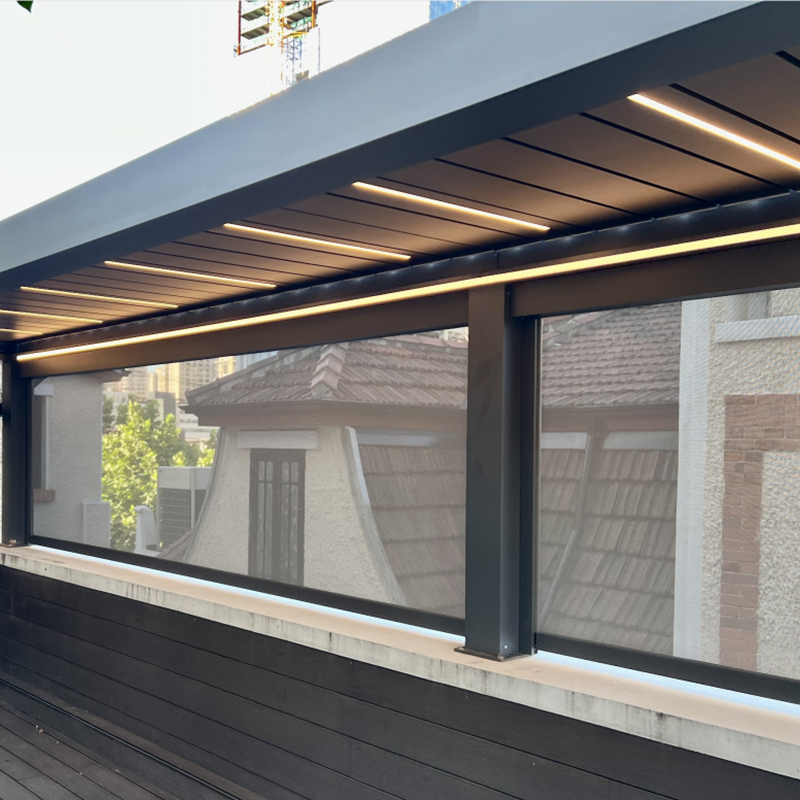
Contemporary aluminum roof pergola designs offer remarkable flexibility in terms of architectural integration, color selection, and functional customization options. Advanced manufacturing techniques enable the creation of complex profiles, integrated drainage systems, and mounting points for accessories like retractable canopies, lighting systems, and climate control features. The precision possible with aluminum fabrication allows for clean lines, exact tolerances, and consistent quality that enhances overall design sophistication.
Powder coating technology provides virtually unlimited color options for an aluminum roof pergola, including wood-grain textures that mimic natural materials while retaining aluminum's performance advantages. The ability to incorporate integrated features like LED lighting channels, speaker mounting systems, and motorized components makes aluminum pergolas particularly attractive for homeowners seeking smart outdoor living solutions. Modern aluminum pergola systems can seamlessly integrate with contemporary architecture while providing functionality that extends well beyond basic shade provision.
Traditional Wood Aesthetic Appeal
Wood pergolas offer timeless aesthetic appeal that resonates with homeowners who prefer natural materials and traditional construction methods. The organic grain patterns, texture variations, and aging characteristics of wood create visual interest that many find more appealing than manufactured materials. Wood's workability allows for custom carved details, decorative elements, and unique architectural features that can be difficult or expensive to achieve with other materials.
The ability to stain or paint wood in various colors and finishes provides design flexibility, though these treatments require ongoing maintenance to preserve their appearance. Wood pergolas can be constructed using traditional joinery techniques that create distinctive visual appeal, though these methods may be more labor-intensive and costly than modern fastening systems used in aluminum construction.
Cost Analysis and Value Considerations
Initial Investment Comparison
The initial cost difference between an aluminum roof pergola and traditional wood construction varies significantly based on design complexity, size, and quality specifications. While aluminum pergolas may have higher upfront costs, the total cost of ownership calculation must include maintenance expenses, replacement costs, and the value of time saved through reduced upkeep requirements. Premium aluminum pergola systems often justify their initial investment through superior longevity and minimal maintenance needs.
Wood pergola initial costs can vary dramatically based on wood species selection, with premium hardwoods commanding prices comparable to aluminum systems while requiring significantly more maintenance over their lifespan. The labor costs associated with wood pergola construction may be higher due to the complexity of traditional construction methods and the need for skilled carpentry work to achieve professional results.
Long-Term Value Proposition
The long-term value proposition of an aluminum roof pergola becomes increasingly favorable when maintenance costs, replacement schedules, and property value impact are considered over a 20-year ownership period. The elimination of routine maintenance expenses, combined with aluminum's resistance to degradation and structural failure, typically results in lower total ownership costs despite higher initial investment requirements.
Property value considerations often favor aluminum pergola installations due to their modern appearance, low maintenance requirements, and extended warranty coverage that appeals to potential buyers. The ability to integrate smart home features and modern conveniences into aluminum pergola designs can enhance property marketability and buyer appeal in ways that traditional wood structures may not achieve.
Installation and Professional Requirements
Aluminum Installation Advantages
The installation process for an aluminum roof pergola typically requires less specialized labor and can be completed more quickly than traditional wood construction. Pre-engineered components ensure precise fit and simplified assembly procedures that reduce installation time and labor costs. The lightweight nature of aluminum components makes handling and positioning easier while reducing structural load requirements for foundation and support systems.
Many aluminum pergola systems feature modular design concepts that allow for easier transportation, storage, and assembly compared to custom wood construction that often requires on-site fabrication and adjustment. The precision manufacturing possible with aluminum ensures consistent quality and fit that eliminates many of the variables that can complicate wood pergola installation.
Wood Construction Considerations
Traditional wood pergola construction often requires skilled carpentry work and specialized tools to achieve professional results. The variability inherent in natural wood materials necessitates on-site adjustments and custom fitting that can extend installation timelines and increase labor costs. Weather sensitivity during construction can further complicate wood pergola installation, as moisture exposure during construction can lead to immediate warping or dimensional changes.
The weight of wood construction materials requires robust foundation systems and may necessitate additional structural support compared to aluminum alternatives. Site preparation and material delivery logistics can be more complex for wood pergolas due to the bulk and weight of traditional lumber components.
FAQ
How long does an aluminum roof pergola typically last compared to wood
An aluminum roof pergola typically lasts 25-30 years or more with minimal maintenance, while wood pergolas generally require replacement or major renovation every 10-15 years depending on maintenance quality and environmental conditions. The corrosion resistance and structural stability of aluminum provide significant longevity advantages over organic materials that are susceptible to rot, pest damage, and weather-related deterioration.
Can an aluminum pergola support the same accessories as wood structures
Modern aluminum roof pergola systems often provide superior support capabilities for accessories like retractable canopies, lighting systems, fans, and climbing plants compared to wood structures. The engineering precision possible with aluminum allows for integrated mounting points and load distribution systems that can safely support heavier accessories while maintaining structural integrity over time.
What are the environmental considerations between aluminum and wood pergolas
While wood is a renewable resource, the environmental impact includes ongoing chemical treatments, maintenance products, and eventual replacement cycles. An aluminum roof pergola offers environmental advantages through its recyclability, elimination of chemical treatments, and extended lifespan that reduces material consumption over time. The energy efficiency of aluminum manufacturing continues to improve, making it an increasingly sustainable choice for permanent outdoor structures.
How do warranty coverage options compare between aluminum and wood pergolas
Aluminum roof pergola manufacturers typically offer comprehensive warranties covering structural integrity, finish quality, and component performance for 15-25 years or more. Wood pergola warranties are generally limited to material defects and may not cover weather-related damage, maintenance failures, or normal aging processes. The extensive warranty coverage available with aluminum systems provides greater long-term security for homeowners' investments.