
 EN
EN
Summer brings longer days, warmer temperatures, and increased outdoor activities, making effective sun protection more crucial than ever. Whether for residential patios, commercial restaurant spaces, or outdoor recreational areas, awnings serve as one of the most versatile and practical solutions for managing intense sunlight and heat. These architectural features not only provide immediate relief from harmful UV rays but also enhance the functionality and aesthetic appeal of outdoor spaces throughout the hottest months of the year.
Understanding the Science Behind Sun Protection
UV Radiation and Its Health Implications
The sun emits three types of ultraviolet radiation: UVA, UVB, and UVC rays. While UVC rays are absorbed by the Earth's atmosphere, UVA and UVB rays reach the surface and pose significant health risks. UVB rays cause immediate sunburn and play a primary role in developing skin cancer, while UVA rays penetrate deeper into the skin, causing premature aging and contributing to long-term skin damage. Quality awnings can block up to 98% of harmful UV radiation, creating a protective barrier that significantly reduces exposure risks.
Extended exposure to intense sunlight without adequate protection can lead to various health complications beyond skin damage. Heat exhaustion, dehydration, and heat stroke become increasingly common during summer months when people spend more time outdoors. Awnings create cooler microclimates that allow individuals to enjoy outdoor spaces comfortably while minimizing heat-related health risks. The shade provided by properly installed awnings can reduce ambient temperatures by 10 to 15 degrees Fahrenheit in covered areas.
Heat Island Effect Mitigation
Urban environments often experience the heat island effect, where built-up areas become significantly warmer than surrounding rural areas due to concrete, asphalt, and other heat-absorbing materials. Awnings help combat this phenomenon by providing shaded areas that prevent surfaces from absorbing and radiating heat. When multiple properties in an area utilize awnings, the collective cooling effect can contribute to reducing overall neighborhood temperatures and improving local air quality.
The installation of awnings over outdoor seating areas, walkways, and building entrances creates comfortable transition zones that encourage people to spend time outdoors without experiencing the full intensity of summer heat. This strategic shading approach not only benefits individual property owners but also contributes to broader community wellness and environmental sustainability efforts.
Types and Materials for Optimal Summer Performance
Retractable Awning Systems
Modern retractable awnings offer unparalleled flexibility for summer sun protection, allowing property owners to extend or retract coverage based on weather conditions and usage requirements. These systems typically feature motorized mechanisms that enable quick deployment at the touch of a button, making them ideal for restaurants, cafes, and residential properties where conditions change throughout the day. High-quality retractable awnings incorporate weather sensors that automatically adjust positioning based on wind speed, sunlight intensity, and precipitation levels.
The versatility of retractable awnings makes them particularly valuable for commercial establishments that need to maximize outdoor seating capacity during peak summer months. Restaurant owners can extend awnings during lunch hours to create comfortable dining environments, then retract them in the evening to maintain an open-air atmosphere. This adaptability directly translates to increased customer satisfaction and revenue generation during the crucial summer season.
Fixed Canopy Solutions
Permanent awning installations provide consistent sun protection and represent excellent long-term investments for properties requiring year-round shade coverage. Fixed awnings typically offer superior durability and can withstand more severe weather conditions compared to retractable alternatives. These installations work exceptionally well for areas with predictable sun patterns and consistent usage requirements, such as building entrances, loading docks, and permanent outdoor seating areas.
When selecting fixed awning solutions, property owners should consider the specific sun angles throughout different seasons to ensure optimal coverage during peak summer months. Professional installation teams can calculate precise positioning to maximize shade coverage while maintaining structural integrity and aesthetic appeal. Fixed awnings often incorporate drainage systems and reinforced mounting hardware to handle summer storms and high wind conditions.
Commercial Applications and Business Benefits
Restaurant and Hospitality Industry Advantages
The restaurant and hospitality industry experiences significant benefits from strategic awning installations during summer months. Outdoor dining spaces protected by quality awnings can operate comfortably throughout the day, dramatically increasing seating capacity and revenue potential. Customers are more likely to choose establishments that offer comfortable outdoor environments, and awnings create these inviting atmospheres while protecting patrons from harmful UV exposure.
Professional-grade awnings designed for commercial use incorporate features specifically tailored to restaurant operations, including easy cleaning surfaces, grease-resistant materials, and integrated lighting systems. These installations often include side panels or drop-down screens that provide additional protection from wind and create more intimate dining environments. The investment in quality awning systems typically pays for itself within the first summer season through increased customer capacity and extended operating hours.
Retail and Commercial Property Enhancement
Retail establishments benefit significantly from awning installations that create comfortable shopping environments and protect merchandise from sun damage. Awnings over storefront windows reduce glare and heat buildup while maintaining natural lighting that showcases products effectively. This strategic approach to sun management can reduce air conditioning costs by up to 25% while creating more pleasant shopping experiences for customers.
Commercial property managers increasingly recognize awnings as valuable amenities that attract quality tenants and command higher rental rates. Properties equipped with professional awning systems demonstrate attention to tenant comfort and operational efficiency, making them more competitive in commercial real estate markets. The presence of quality awnings also contributes to positive first impressions and enhanced curb appeal that benefits all property stakeholders.
Residential Applications for Enhanced Living
Outdoor Living Space Optimization
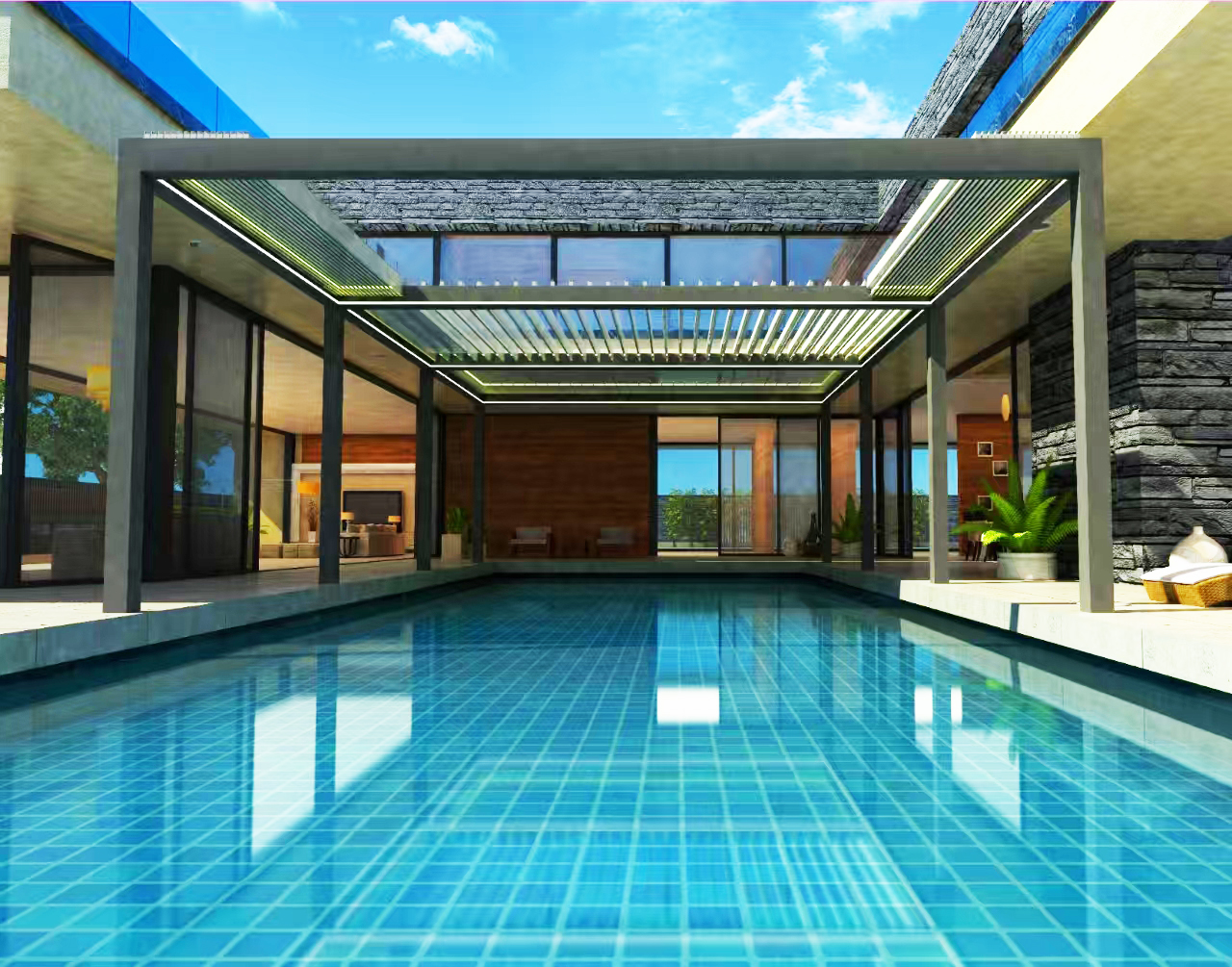
Residential awnings transform outdoor living spaces into functional extensions of indoor environments during summer months. Patios, decks, and pool areas equipped with appropriate awning systems become comfortable retreats where families can gather, entertain guests, and enjoy meals without exposure to intense sunlight. These installations effectively increase usable living space while providing protection for outdoor furniture and equipment.
Modern residential awnings incorporate smart home technology that allows homeowners to control positioning remotely through smartphone applications. These systems can be programmed to automatically adjust based on time of day, weather conditions, and seasonal sun patterns. The convenience and functionality of automated awning systems make outdoor spaces more accessible and enjoyable throughout the summer season.
Energy Efficiency and Cost Savings
Strategic placement of residential awnings can significantly reduce cooling costs during summer months by preventing solar heat gain through windows and glass doors. Studies demonstrate that properly positioned awnings can reduce air conditioning energy consumption by 15 to 25 percent, resulting in substantial utility bill savings over time. The initial investment in quality awnings typically recovers through energy savings within three to five years.
Awnings also protect interior furnishings, flooring, and artwork from UV damage that can cause fading and deterioration. By filtering sunlight before it enters living spaces, awnings preserve the value and appearance of interior investments while maintaining comfortable indoor temperatures. This dual benefit of energy efficiency and asset protection makes residential awnings particularly attractive investments for environmentally conscious homeowners.
Installation Considerations and Professional Services
Structural Requirements and Safety Standards
Proper awning installation requires careful assessment of structural support capabilities and adherence to local building codes and safety standards. Professional installers evaluate mounting surface integrity, wind load requirements, and drainage considerations to ensure safe and durable installations. The complexity of modern awning systems, particularly motorized retractable units, necessitates expertise in electrical connections, weather sealing, and mechanical adjustment procedures.
Building permits may be required for certain types of awning installations, particularly those attached to commercial structures or involving electrical connections. Professional installation teams handle permit applications and ensure compliance with all relevant codes and regulations. This comprehensive approach protects property owners from liability issues and ensures optimal performance throughout the demanding summer season.
Maintenance and Longevity Factors
Regular maintenance is essential for ensuring that awnings provide reliable sun protection throughout multiple summer seasons. Professional maintenance programs typically include fabric cleaning, hardware lubrication, motor servicing for retractable units, and inspection of mounting systems. Properly maintained awnings can provide decades of reliable service while maintaining their appearance and functionality.
Seasonal preparation becomes particularly important in regions with extreme weather variations. Professional service providers offer winterization services that protect awning systems during harsh weather months and prepare them for optimal performance when summer sun protection becomes critical again. This proactive approach to maintenance significantly extends equipment lifespan and ensures reliable operation when shade is most needed.
Technology Integration and Smart Features
Automated Control Systems
Contemporary awning systems incorporate sophisticated automation technology that optimizes sun protection without requiring constant manual adjustment. These systems utilize sensors that monitor wind speed, sunlight intensity, rain detection, and temperature to automatically position awnings for optimal performance and protection. Smart controls can learn usage patterns and automatically deploy awnings based on time of day, weather forecasts, and user preferences.
Integration with home automation platforms allows awnings to coordinate with other building systems such as lighting, air conditioning, and security systems. This comprehensive approach to environmental control maximizes comfort and energy efficiency while simplifying operation for property owners. Voice control compatibility and smartphone applications provide convenient access to awning controls from anywhere on the property or remotely.
Weather Monitoring and Protection
Advanced weather monitoring systems protect awning investments by automatically retracting fabric covers when potentially damaging conditions are detected. High-wind sensors prevent structural damage by securing awnings before dangerous gusts occur, while rain sensors protect fabric materials from unnecessary exposure to moisture. These protective features ensure that awnings remain available for sun protection throughout the summer while avoiding weather-related damage.
Modern awning systems can receive weather alerts and forecasting data to proactively adjust positioning based on predicted conditions. This predictive capability allows awnings to provide optimal sun protection during clear weather while automatically securing themselves before storms arrive. The combination of real-time monitoring and predictive adjustments maximizes both protection and equipment longevity.
FAQ
How much can awnings reduce cooling costs during summer
Quality awnings can reduce cooling costs by 15 to 25 percent during summer months by preventing solar heat gain through windows and creating shaded outdoor areas. The exact savings depend on factors such as awning size, placement, local climate conditions, and building characteristics. Most property owners recover their awning investment through energy savings within three to five years, making them excellent long-term investments for summer comfort and cost reduction.
What materials work best for summer sun protection
High-performance acrylic fabrics with UV-resistant treatments provide excellent sun protection while maintaining durability in summer heat. These materials typically block 95 to 98 percent of harmful UV rays while allowing some airflow for comfort. Solution-dyed acrylic fabrics resist fading and mildew while maintaining their protective properties for many years. For commercial applications, vinyl-coated fabrics offer superior durability and easy cleaning capabilities.
How do retractable awnings compare to permanent installations for summer use
Retractable awnings offer greater flexibility for changing conditions throughout summer days, allowing users to extend coverage during peak sun hours and retract for evening activities. Permanent installations provide consistent protection and typically offer greater durability and weather resistance. The choice depends on usage patterns, aesthetic preferences, and budget considerations, with both options providing excellent sun protection when properly selected and installed.
What maintenance do awnings require during summer months
Summer maintenance for awnings includes regular cleaning to remove dirt, pollen, and debris that can accumulate during heavy use periods. Monthly inspection of hardware, fabric condition, and motorized components helps identify potential issues before they become problems. Professional maintenance services typically include lubrication of moving parts, adjustment of tension systems, and thorough cleaning with appropriate products that preserve fabric treatments and extend equipment life.