
 EN
EN
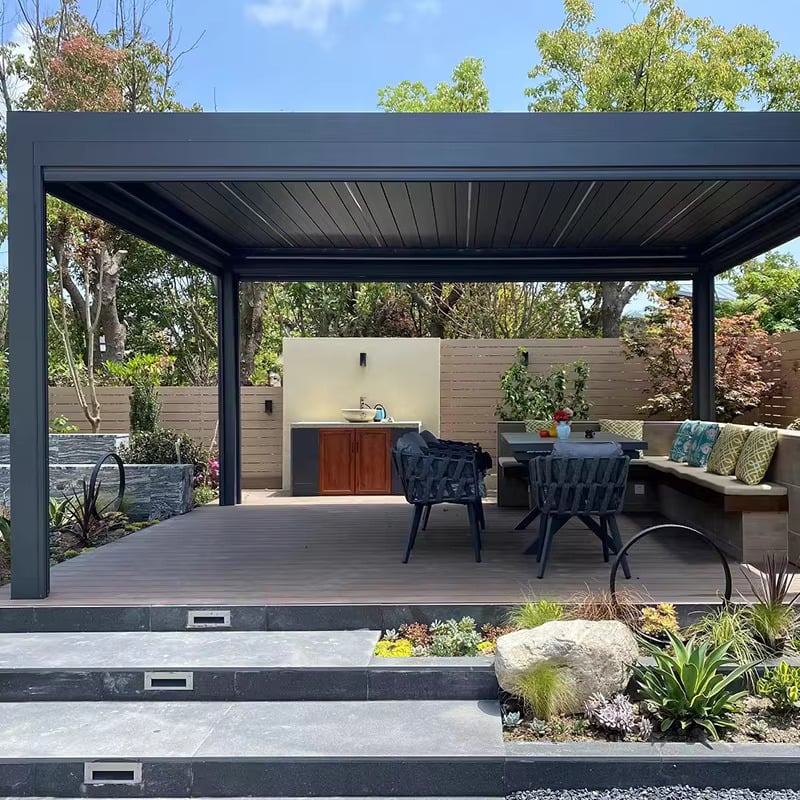
Modern workplaces face unprecedented challenges in creating environments that foster productivity, employee well-being, and energy efficiency. Among the most overlooked yet critical elements of office infrastructure is proper shade design implementation. Professional shade solutions have evolved far beyond simple window coverings to become sophisticated systems that directly impact worker performance, operational costs, and overall business success. Contemporary office environments require carefully planned shade design strategies that address natural light management, temperature control, and visual comfort while maintaining aesthetic appeal.
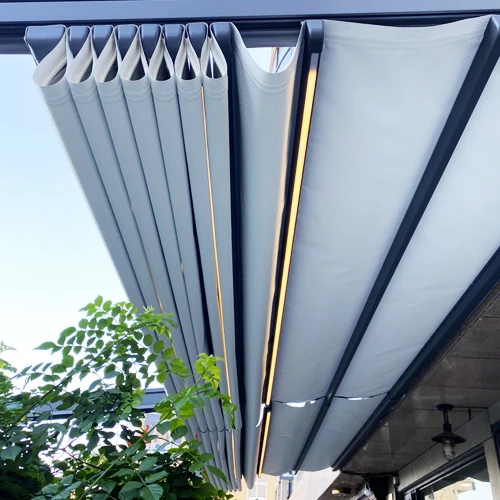
The integration of professional shade design systems represents a fundamental shift in how businesses approach workplace optimization. Companies investing in comprehensive shading solutions report measurable improvements in employee satisfaction, reduced energy consumption, and enhanced operational efficiency. These benefits stem from the sophisticated engineering behind modern shade design technologies, which incorporate advanced materials, automated controls, and climate-responsive features that adapt to changing environmental conditions throughout the day.
Understanding the Science Behind Effective Shade Design
Light Management and Visual Comfort Principles
Effective shade design operates on scientific principles that govern how natural light interacts with interior spaces. The human eye requires specific light levels and contrast ratios to function optimally without strain or fatigue. Professional shade systems utilize calculated light transmission rates, typically ranging from 1% to 15%, depending on the specific application and orientation of windows. This precise control prevents the harsh glare that causes eye strain, headaches, and reduced concentration among office workers.
Modern shade design incorporates photometric analysis to determine optimal fabric densities and weave patterns. The openness factor of shading materials directly correlates with their ability to maintain visual connection to the outdoors while reducing solar heat gain. Research demonstrates that employees working in environments with properly managed natural light through shade design systems show 15% higher productivity rates compared to those in spaces with uncontrolled lighting conditions.
Thermal Performance and Energy Efficiency
Professional shade design systems function as the first line of defense against unwanted solar heat gain, significantly reducing the burden on HVAC systems. High-performance shading materials can reject up to 95% of solar energy before it penetrates the building envelope. This thermal barrier effect translates directly into reduced cooling costs, with well-designed shade installations delivering energy savings of 20-40% during peak summer months.
The thermal properties of shade design materials are measured through standardized metrics including solar reflectance, thermal emittance, and U-factor values. Advanced shading fabrics incorporate metallized coatings and specialized fiber constructions that enhance their thermal performance while maintaining durability and aesthetic appeal. These technical specifications ensure that shade design investments deliver long-term energy savings and environmental benefits.
Strategic Implementation of Shade Design Systems
Assessment and Planning Methodologies
Successful shade design implementation begins with comprehensive site analysis that evaluates solar angles, prevailing weather patterns, and interior space usage requirements. Professional assessments utilize solar path modeling software to predict sun exposure throughout different seasons and times of day. This data-driven approach ensures that shade design solutions are optimally positioned and configured for maximum effectiveness.
The planning phase also considers architectural constraints, aesthetic requirements, and operational preferences. Modern shade design systems offer extensive customization options, including motorized controls, programmable scheduling, and integration with building automation systems. These advanced features enable facilities managers to optimize shading performance automatically based on real-time environmental conditions and occupancy patterns.
Material Selection and Performance Optimization
Contemporary shade design utilizes advanced materials engineered for specific performance characteristics. High-tensile PVC fabrics, coated polyester meshes, and specialized vinyl compositions offer superior durability and weather resistance compared to traditional materials. These engineered fabrics maintain their structural integrity and optical properties over extended service periods, ensuring consistent performance and reduced maintenance requirements.
The selection process for shade design materials involves evaluating multiple performance criteria including UV resistance, flame retardancy, wind load capacity, and color stability. Professional-grade shading fabrics undergo rigorous testing protocols to verify their compliance with industry standards and building codes. This attention to material quality ensures that shade design installations provide reliable long-term performance in demanding commercial environments.
Productivity Benefits and Workplace Enhancement
Employee Comfort and Well-being Improvements
Research consistently demonstrates the correlation between environmental comfort and workplace productivity. Professional shade design creates optimal visual conditions that reduce eye strain, minimize screen glare, and maintain comfortable temperature ranges throughout the workday. Employees report higher job satisfaction and reduced fatigue when working in spaces equipped with properly designed shading systems.
The psychological benefits of shade design extend beyond physical comfort to include stress reduction and improved mood. Natural light filtered through high-quality shading materials maintains the connection to outdoor environments while eliminating harsh contrasts and uncomfortable heat buildup. This balanced lighting environment supports circadian rhythm regulation and promotes alertness during peak working hours.
Technology Integration and Smart Controls
Modern shade design systems seamlessly integrate with smart building technologies to deliver automated performance optimization. Sensor-driven controls monitor ambient light levels, temperature conditions, and occupancy patterns to adjust shading positions automatically throughout the day. This intelligent automation ensures optimal conditions are maintained without requiring manual intervention from building occupants or facilities staff.
Advanced shade design control systems offer remote monitoring capabilities and predictive maintenance alerts through cloud-based platforms. Facility managers can track energy savings, monitor system performance, and schedule maintenance activities through intuitive dashboard interfaces. This technological integration transforms shade design from a passive building component into an active contributor to operational efficiency and sustainability goals.
Economic Advantages and Return on Investment
Energy Cost Reduction Strategies
Professional shade design installations typically achieve payback periods of 3-5 years through direct energy savings alone. The reduction in cooling loads during peak demand periods can significantly lower utility costs, particularly in regions with time-of-use electricity pricing structures. Advanced shade design systems equipped with automated controls maximize these savings by optimizing shading positions based on real-time energy pricing and weather forecasts.
The long-term economic benefits of shade design extend to HVAC equipment longevity and reduced maintenance requirements. By minimizing thermal stress on cooling systems, professional shading installations help extend equipment service life and reduce repair frequencies. These indirect savings compound over time to enhance the overall return on investment for shade design projects.
Property Value and Market Positioning
Buildings equipped with professional shade design systems command premium rental rates and higher property valuations in competitive real estate markets. Sustainability certifications such as LEED and ENERGY STAR recognize properly designed shading systems as contributing factors to green building performance. This recognition translates into marketing advantages and increased asset value for property owners and developers.
The aesthetic enhancement provided by well-designed shading systems also contributes to property appeal and tenant retention. Modern shade design options offer extensive customization possibilities that complement architectural styles while providing superior functional performance. This combination of form and function makes professional shading an attractive investment for forward-thinking property owners and facility managers.
FAQ
What factors determine the optimal shade design for office environments
Optimal shade design selection depends on building orientation, window specifications, local climate conditions, and interior space usage patterns. Professional assessments evaluate solar exposure angles, prevailing wind patterns, and seasonal weather variations to determine appropriate fabric densities, mounting configurations, and control system requirements. The most effective shade design solutions are customized based on site-specific conditions and performance objectives rather than using one-size-fits-all approaches.
How do professional shade design systems integrate with existing building automation
Modern shade design systems utilize standard communication protocols such as BACnet, Modbus, and wireless mesh networks to integrate seamlessly with existing building management systems. This connectivity enables centralized control, automated scheduling, and real-time performance monitoring through existing facility management platforms. Integration capabilities allow shade design systems to respond to inputs from weather stations, occupancy sensors, and energy management programs for optimal automated operation.
What maintenance requirements do professional shade design installations have
Professional shade design systems require minimal maintenance when properly installed and operated. Routine maintenance typically involves periodic cleaning of fabric surfaces, lubrication of mechanical components, and inspection of mounting hardware. High-quality shading materials are engineered for extended service life with minimal degradation under normal operating conditions. Automated systems include diagnostic capabilities that alert facility staff to potential issues before they impact performance or require emergency repairs.
How quickly do shade design investments typically pay for themselves
Shade design investments typically achieve full payback within 3-5 years through energy savings, productivity improvements, and reduced HVAC maintenance costs. Projects in regions with high cooling costs or peak demand charges often see shorter payback periods of 2-3 years. The financial benefits continue to accrue over the 15-20 year service life of professional shading systems, making them highly attractive investments for cost-conscious facility managers and property owners seeking sustainable building improvements.
Table of Contents
- Understanding the Science Behind Effective Shade Design
- Strategic Implementation of Shade Design Systems
- Productivity Benefits and Workplace Enhancement
- Economic Advantages and Return on Investment
-
FAQ
- What factors determine the optimal shade design for office environments
- How do professional shade design systems integrate with existing building automation
- What maintenance requirements do professional shade design installations have
- How quickly do shade design investments typically pay for themselves