
 EN
EN
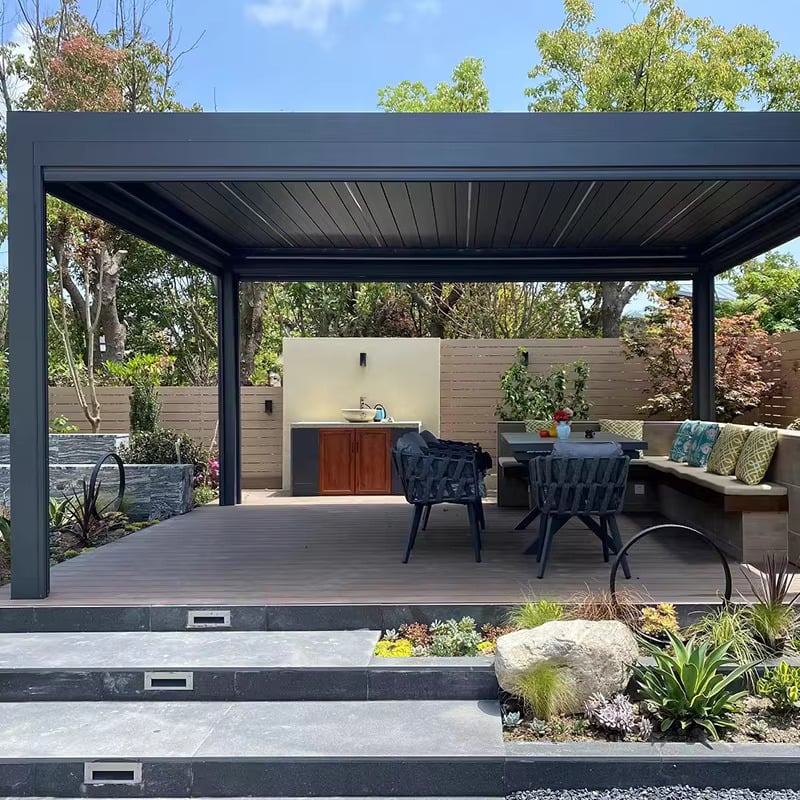
Heavy-duty pergola bracket kits serve as the critical foundation for outdoor structures that must withstand severe weather conditions while maintaining architectural integrity over decades. These specialized hardware systems provide the essential connection points between pergola posts, beams, and mounting surfaces, determining whether your outdoor investment will endure or fail under stress. Professional contractors and serious DIY builders recognize that selecting the right pergola bracket kits can mean the difference between a structure that lasts twenty years versus one that requires costly repairs within just a few seasons.
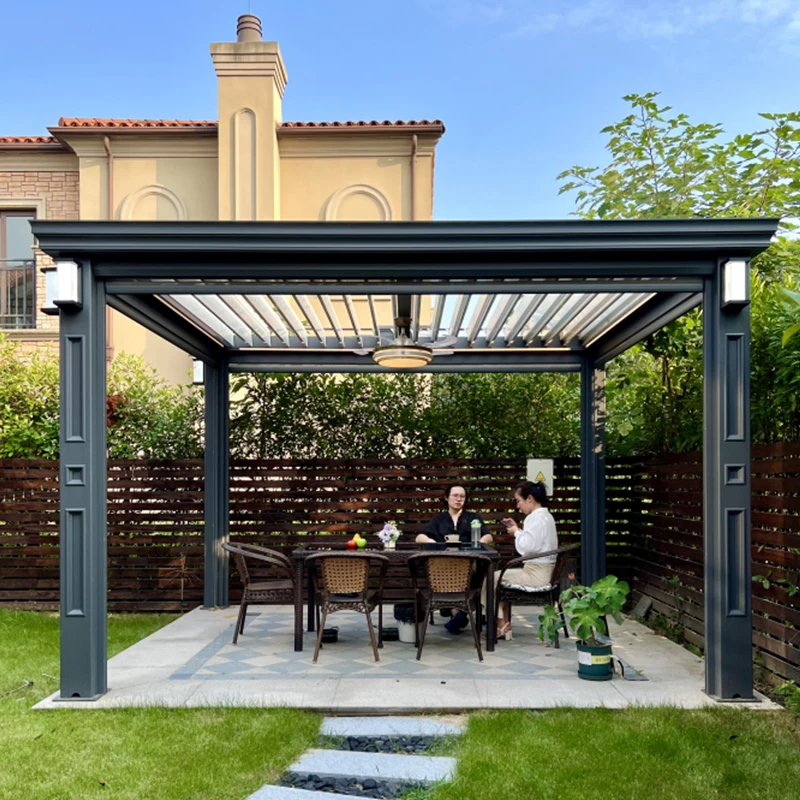
When evaluating heavy-duty pergola bracket kits for maximum structural stability, engineers focus on load distribution capabilities, material composition, and connection methodology rather than simply choosing the largest available hardware. The most effective pergola bracket kits incorporate advanced engineering principles that account for dynamic wind loads, thermal expansion cycles, and long-term material fatigue patterns. Understanding which bracket configurations deliver superior performance requires analyzing how different mounting systems respond to real-world environmental stresses and installation variables that affect structural longevity.
Critical Load-Bearing Requirements for Heavy-Duty Applications
Understanding Dynamic Wind Load Distribution
Heavy-duty pergola bracket kits must accommodate dynamic wind loads that create both uplift forces and lateral shear stresses throughout the structure. Professional engineers calculate these forces based on local wind zone classifications, with the most robust pergola bracket kits designed to handle wind speeds exceeding 100 mph without structural failure. The bracket design geometry determines how effectively these forces transfer from the pergola frame into the mounting substrate, making proper selection crucial for long-term stability.
Advanced pergola bracket kits incorporate multiple attachment points that distribute wind loads across larger surface areas, reducing stress concentrations that could lead to premature failure. The most effective designs feature triangulated bracing patterns within the bracket assembly, creating redundant load paths that maintain structural integrity even if individual fasteners experience loosening over time. This engineering approach ensures that temporary wind gusts do not create permanent deformation or connection failure within the bracket system.
Material selection within heavy-duty pergola bracket kits directly influences their ability to handle repeated wind loading cycles without developing fatigue cracks or joint separation. Premium bracket systems utilize marine-grade stainless steel or hot-dip galvanized steel components that resist both corrosion and stress-induced failure modes. These materials maintain their mechanical properties throughout thousands of loading cycles, ensuring consistent performance across decades of service life.
Calculating Dead Load and Live Load Capacities
Professional pergola bracket kits must support both dead loads from the structure itself and live loads from snow accumulation, hanging plants, lighting systems, and other accessories. Dead load calculations include the weight of pergola beams, rafters, roofing materials, and permanently attached components, while live load requirements vary significantly based on geographic location and intended use patterns. The most reliable pergola bracket kits provide clear load ratings that account for both static and dynamic loading conditions.
Heavy-duty applications require pergola bracket kits with safety factors that exceed standard residential requirements, typically providing load capacities at least three times the expected maximum service loads. This conservative approach accounts for load combinations that occur during severe weather events, when wind forces combine with snow loads or ice accumulation to create extreme stress conditions. Professional-grade bracket systems undergo rigorous testing to verify their performance under these combined loading scenarios.
The connection methodology between pergola bracket kits and supporting structures significantly influences overall load capacity, with through-bolt connections generally providing superior strength compared to surface-mounted alternatives. Heavy-duty applications often require brackets that penetrate completely through supporting posts or beams, creating mechanical connections that distribute loads through the entire cross-sectional area rather than relying solely on surface friction or adhesion.
Material Engineering and Corrosion Resistance Standards
Stainless Steel Composition and Grade Selection
Marine-grade stainless steel pergola bracket kits utilize 316-series alloys that provide superior corrosion resistance in coastal environments and areas with high humidity or chemical exposure. These advanced alloys contain higher levels of chromium and molybdenum compared to standard 304-series stainless steel, creating passive oxide layers that self-repair when scratched or abraded during installation. The most demanding outdoor applications require pergola bracket kits manufactured from these premium materials to ensure decades of service without degradation.
Austenitic stainless steel grades used in heavy-duty pergola bracket kits maintain their mechanical properties across wide temperature ranges, from extreme cold to intense summer heat conditions. This thermal stability prevents embrittlement failures that can occur with lower-grade materials when exposed to repeated freeze-thaw cycles or extreme temperature fluctuations. Professional contractors specify these advanced materials for critical applications where bracket failure could create safety hazards or expensive structural damage.
The manufacturing process for premium pergola bracket kits includes solution annealing treatments that optimize the stainless steel microstructure for maximum strength and corrosion resistance. These heat treatment processes ensure uniform material properties throughout complex bracket geometries, eliminating weak points that could develop into failure initiation sites under service loads. Quality control procedures verify that each bracket meets stringent mechanical property requirements before shipment.
Hot-Dip Galvanizing Process and Coating Thickness
Hot-dip galvanized pergola bracket kits receive protective zinc coatings that provide both barrier protection and galvanic protection against corrosion initiation. The galvanizing process creates metallurgical bonds between the zinc coating and steel substrate, producing coating thicknesses that typically exceed 3.5 mils for optimal long-term protection. These thick, adherent coatings resist chipping and peeling during installation, maintaining their protective properties even when brackets are modified or trimmed on-site.
Advanced galvanizing processes for heavy-duty pergola bracket kits include post-galvanizing treatments that enhance coating appearance and provide additional corrosion resistance. Chromate conversion coatings or organic topcoats can extend service life beyond what standard galvanizing alone provides, particularly in aggressive environments with high chloride exposure or industrial pollution. These multi-layer protection systems ensure that bracket performance does not degrade over time due to environmental exposure.
Quality galvanized pergola bracket kits undergo coating thickness testing and adhesion verification to ensure compliance with ASTM A153 standards for hot-dip galvanizing. Proper coating thickness distribution across complex bracket geometries requires careful attention to galvanizing bath chemistry and withdrawal rates, factors that distinguish premium manufacturers from suppliers offering substandard products. Professional specifiers verify coating quality through independent testing when bracket performance is critical to project success.
Connection Methodologies and Hardware Integration
Through-Bolt Versus Surface-Mount Design Philosophy
Through-bolt connection systems for pergola bracket kits create mechanical joints that engage the full cross-sectional strength of supporting posts and beams, distributing loads through solid wood or steel rather than relying on surface interface strength alone. These connections typically utilize carriage bolts, hex bolts, or threaded rod assemblies that compress bracket assemblies against structural members with controlled torque values. Professional installations require through-bolt systems when bracket loads exceed the capacity of surface-mounted alternatives.
Surface-mounted pergola bracket kits utilize lag screws, structural screws, or adhesive anchoring systems that derive their strength from interface friction and mechanical interlock with the mounting substrate. While these systems offer installation convenience and aesthetic advantages, their load capacity depends heavily on substrate quality and proper installation technique. Heavy-duty applications may combine surface mounting with supplementary through-bolting to achieve both structural performance and installation efficiency.
The choice between through-bolt and surface-mount pergola bracket kits often depends on structural accessibility and aesthetic requirements rather than purely technical considerations. Through-bolt systems require access to both sides of supporting members, while surface-mount alternatives can be installed on structures where back-side access is limited or impossible. Professional contractors evaluate these trade-offs during design phases to select optimal connection strategies for specific applications.
Fastener Selection and Torque Specifications
Heavy-duty pergola bracket kits require fasteners manufactured from compatible materials to prevent galvanic corrosion and ensure long-term joint integrity. Stainless steel brackets should utilize stainless steel fasteners of equivalent or superior corrosion resistance, while galvanized brackets can accommodate either galvanized or stainless steel hardware depending on environmental exposure conditions. Dissimilar metal combinations must be evaluated for galvanic compatibility to prevent accelerated corrosion at joint interfaces.
Proper torque specifications for pergola bracket kits ensure adequate preload development without over-stressing fastener threads or crushing structural materials during installation. Professional installation procedures include torque verification using calibrated equipment, particularly for critical connections where under-tightening could lead to joint loosening or over-tightening could cause material damage. These specifications account for material properties, thread engagement length, and environmental factors that influence joint performance.
Advanced fastening systems for pergola bracket kits may incorporate thread-locking compounds, spring washers, or other retention mechanisms to prevent loosening under vibrational or thermal cycling conditions. These supplementary systems become particularly important in applications where routine maintenance access is limited or where bracket failure could create safety hazards. Professional specifications define appropriate retention methods based on application severity and maintenance requirements.
Installation Considerations and Structural Integration
Substrate Compatibility and Mounting Requirements
Concrete mounting applications for pergola bracket kits require specialized anchoring systems designed to develop full bracket capacity within typical residential concrete strengths ranging from 2500 to 4000 psi compressive strength. Wedge anchors, sleeve anchors, and chemical anchoring systems each provide different performance characteristics that must match specific loading conditions and installation constraints. Heavy-duty applications often specify chemical anchors that can develop higher capacities in lower-strength concrete compared to mechanical alternatives.
Steel beam mounting for pergola bracket kits typically utilizes through-bolt connections or welded attachments that engage the full structural capacity of supporting members. Through-bolt systems require careful attention to hole placement and edge distances to prevent stress concentrations that could initiate fatigue cracks under service loading. Professional installations include detailed connection analysis to verify that bracket loads remain within allowable limits for both the bracket hardware and supporting structure.
Wood post applications require pergola bracket kits designed to accommodate wood movement and potential splitting tendencies that can develop around fastener locations. Pre-drilling requirements, edge distance specifications, and fastener selection must account for wood species characteristics and moisture content variations that occur throughout service life. Heavy-duty wood connections often incorporate through-bolt systems with large washers or backing plates to distribute loads across larger areas.
Alignment Precision and Installation Tolerances
Professional installation of pergola bracket kits requires precise alignment to ensure uniform load distribution and prevent binding or stress concentrations within the completed structure. Dimensional tolerances for bracket positioning typically range from ±1/8 inch for standard applications to ±1/16 inch for precision installations where multiple brackets must work together to support continuous beams or complex geometries. Installation procedures include survey techniques and temporary bracing methods to maintain alignment during fastener installation.
Advanced pergola bracket kits incorporate adjustability features that accommodate normal construction tolerances without compromising structural performance or aesthetic appearance. Slotted mounting holes, adjustable base plates, and modular connection systems allow field adjustment during installation while maintaining specified load capacities. These design features reduce installation time and minimize the risk of forced fits that could overstress bracket components.
Quality control procedures for pergola bracket kits installation include dimensional verification, fastener torque checking, and visual inspection for proper fit and finish. Professional contractors document installation parameters to provide baseline information for future maintenance and to verify compliance with manufacturer specifications. These records become particularly important for warranty coverage and long-term performance tracking.
FAQ
What load capacity should I specify for heavy-duty pergola bracket kits in high wind areas?
Heavy-duty pergola bracket kits for high wind areas should provide load capacities that exceed local building code requirements by at least 50%, typically supporting uplift forces of 40-60 pounds per square foot for wind speeds up to 110 mph. Professional engineers calculate specific loads based on pergola dimensions, local wind zone classifications, and exposure categories, with coastal applications requiring enhanced capacity ratings to account for sustained high winds and gusting conditions.
How do I determine if my existing structure can support heavy-duty pergola bracket kits?
Structural evaluation for heavy-duty pergola bracket kits requires professional analysis of existing foundations, posts, and beams to verify they can handle additional loads without overstressing. A structural engineer should calculate existing load margins, assess connection details, and recommend reinforcement if necessary. Older structures may require upgrades to foundation anchoring or post sizing to safely accommodate modern heavy-duty bracket systems and their associated loads.
What maintenance schedule should I follow for heavy-duty pergola bracket kits?
Heavy-duty pergola bracket kits require annual inspection of all fasteners, connections, and protective coatings to ensure continued structural integrity. Professional maintenance includes torque verification of critical bolts, assessment of coating condition, and replacement of any damaged hardware before corrosion or wear compromises performance. Coastal installations or areas with severe weather exposure may require more frequent inspection intervals, typically every six months.
Can I install heavy-duty pergola bracket kits myself or should I hire professionals?
Heavy-duty pergola bracket kits installation requires advanced construction skills, specialized tools, and thorough understanding of structural principles that exceed typical DIY capabilities. Professional installation ensures proper load calculations, code compliance, and warranty coverage while minimizing safety risks associated with working at height and handling heavy structural components. Complex installations involving concrete anchoring or steel connections should always utilize licensed contractors with relevant experience.
Table of Contents
- Critical Load-Bearing Requirements for Heavy-Duty Applications
- Material Engineering and Corrosion Resistance Standards
- Connection Methodologies and Hardware Integration
- Installation Considerations and Structural Integration
-
FAQ
- What load capacity should I specify for heavy-duty pergola bracket kits in high wind areas?
- How do I determine if my existing structure can support heavy-duty pergola bracket kits?
- What maintenance schedule should I follow for heavy-duty pergola bracket kits?
- Can I install heavy-duty pergola bracket kits myself or should I hire professionals?