
 EN
EN
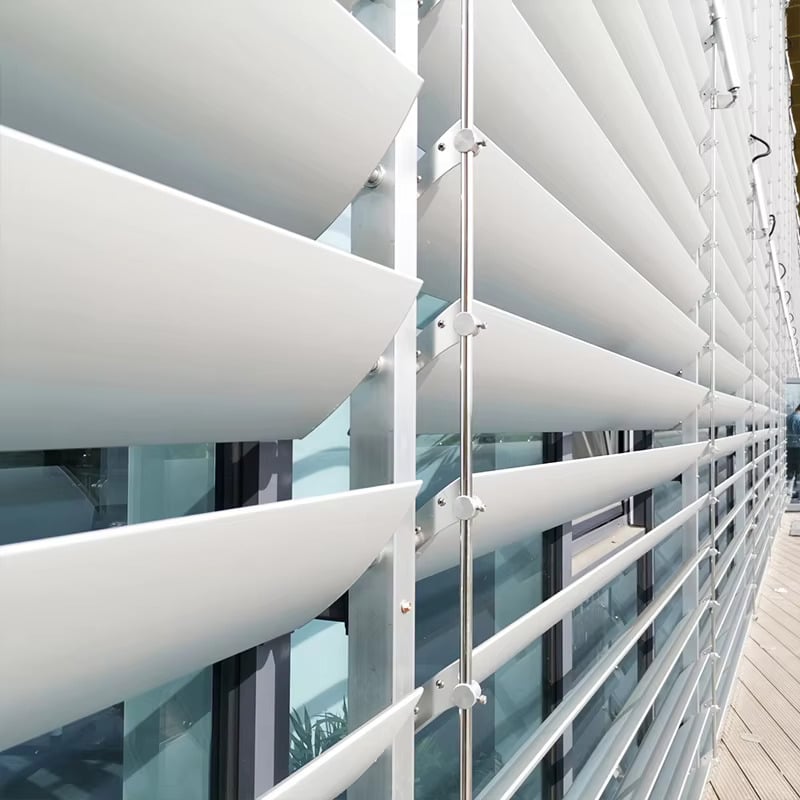
Commercial security has evolved dramatically in recent years, with property owners increasingly turning to automated solutions that provide both convenience and protection. The electric shutter represents a significant advancement in commercial security infrastructure, combining traditional barrier protection with modern automation technology. These sophisticated systems offer businesses a comprehensive approach to safeguarding their premises while streamlining daily operations. Understanding the multifaceted benefits of installing an electric shutter can help business owners make informed decisions about their security investments and operational efficiency improvements.
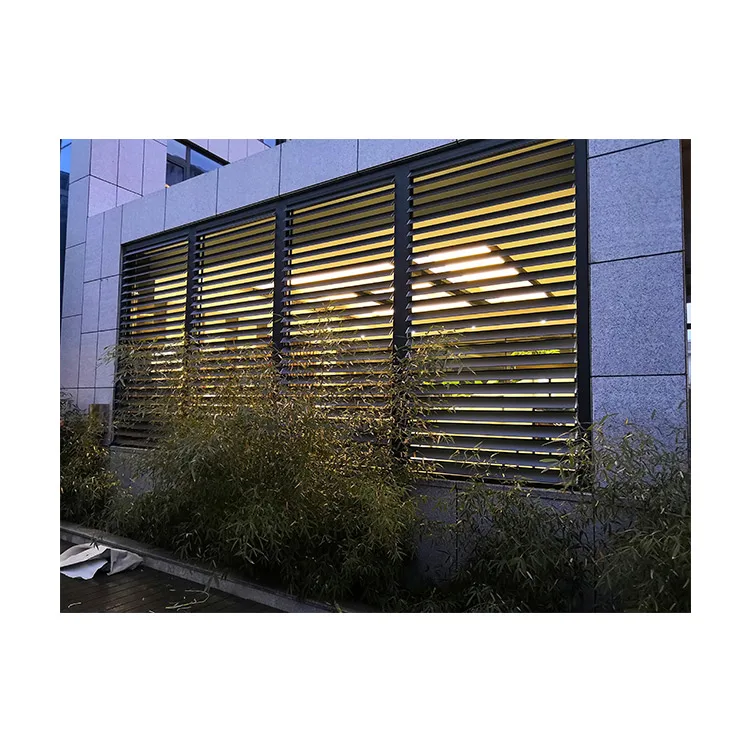
Enhanced Security and Protection
Physical Barrier Strength
The primary advantage of implementing an electric shutter system lies in its robust physical protection capabilities. Modern electric shutter designs incorporate high-grade aluminum or steel construction that creates an impenetrable barrier against unauthorized entry attempts. These systems are engineered to withstand significant force, making them extremely effective deterrents against break-ins and vandalism. The automated mechanism ensures consistent deployment, eliminating human error that might occur with manual security measures.
Commercial properties equipped with electric shutter systems experience significantly reduced theft incidents compared to those relying solely on traditional security measures. The visible presence of these automated barriers often deters potential intruders before they attempt any criminal activity. Additionally, the reinforced construction materials used in quality electric shutter installations provide protection against severe weather conditions, adding an extra layer of asset protection beyond security concerns.
24/7 Automated Monitoring
Modern electric shutter systems integrate seamlessly with existing security infrastructure, providing continuous monitoring capabilities that enhance overall protection protocols. These systems can be programmed to activate automatically based on predetermined schedules or security alerts, ensuring consistent protection even when premises are unattended. The automated nature of these systems eliminates the possibility of human oversight that could leave properties vulnerable during critical periods.
Integration with alarm systems and surveillance equipment creates a comprehensive security network that responds instantly to potential threats. When sensors detect unauthorized activity, the electric shutter can deploy immediately while simultaneously triggering other security protocols. This coordinated response significantly reduces the window of opportunity for criminal activity and provides law enforcement with valuable time to respond to security breaches.
Operational Efficiency and Convenience
Streamlined Daily Operations
The convenience factor of electric shutter systems extends far beyond basic security functions, fundamentally transforming how businesses manage their daily opening and closing procedures. Employees no longer need to manually secure multiple entry points, reducing the time and labor required for routine security tasks. This efficiency improvement translates directly into cost savings and allows staff to focus on core business activities rather than security management.
Remote operation capabilities enable managers to control electric shutter systems from off-site locations, providing unprecedented flexibility in security management. This feature proves particularly valuable for businesses with multiple locations or those requiring after-hours access for emergency situations. The ability to monitor and control security systems remotely ensures consistent protection standards across all operational periods.
Reduced Labor Requirements
Electric shutter automation significantly reduces the workforce needed for routine security operations, creating substantial long-term savings in labor costs. Traditional security measures often require dedicated personnel to manually secure premises, representing ongoing operational expenses that can accumulate significantly over time. Automated systems eliminate these recurring costs while providing more reliable and consistent security coverage.
The reliability of electric shutter systems reduces the need for constant human supervision, allowing businesses to reallocate security personnel to more strategic roles. This optimization of human resources can improve overall operational efficiency while maintaining or enhancing security standards. Additionally, the reduced dependency on manual processes minimizes the risk of security lapses due to human error or staff shortages during critical periods.
Cost-Effectiveness and Return on Investment
Long-Term Financial Benefits
While the initial investment in electric shutter technology may seem substantial, the long-term financial benefits significantly outweigh the upfront costs for most commercial applications. Insurance companies often provide premium discounts for properties equipped with advanced security systems, creating immediate savings that continue throughout the policy period. These insurance savings, combined with reduced theft losses and property damage, generate measurable returns on the security investment.
The durability and low maintenance requirements of quality electric shutter systems contribute to their excellent cost-effectiveness profile. Unlike traditional security measures that require frequent replacement or repair, well-designed electric shutter installations can operate reliably for decades with minimal maintenance intervention. This longevity ensures that the initial investment continues providing value throughout an extended operational lifespan.
Energy Efficiency Contributions
Electric shutter systems contribute to overall building energy efficiency by providing additional insulation and weather protection when deployed. This thermal barrier effect can reduce heating and cooling costs, particularly in climate-controlled commercial environments. The energy savings generated by improved building envelope performance add another dimension to the return on investment calculation for electric shutter installations.
Modern electric shutter designs incorporate energy-efficient motor systems that consume minimal power during operation, ensuring that the security benefits do not come at the expense of increased utility costs. Many systems include smart power management features that optimize energy consumption based on usage patterns and operational requirements, further enhancing their cost-effectiveness profile.
Weather Protection and Durability
Storm and Wind Resistance
Commercial properties face significant risks from severe weather events, making the storm protection capabilities of electric shutter systems particularly valuable. These systems provide robust protection against high winds, flying debris, and other weather-related hazards that can cause extensive property damage. The automated deployment feature ensures rapid protection activation when weather conditions deteriorate, protecting valuable assets and inventory from storm damage.
The engineering standards for electric shutter systems include specific wind load ratings that ensure reliable performance during severe weather events. This protection extends beyond the obvious benefits of preventing physical damage to include preservation of business continuity during and after storm events. Properties with electric shutter protection often experience faster recovery times and reduced insurance claims related to weather damage.
Corrosion and UV Resistance
Quality electric shutter systems incorporate advanced materials and coatings designed to withstand prolonged exposure to environmental elements without degradation. The corrosion-resistant properties of modern electric shutter construction ensure consistent performance and appearance throughout extended operational periods, even in challenging environments with high humidity or chemical exposure.
UV-resistant finishes protect electric shutter systems from sun damage that can affect both functionality and aesthetics over time. This protection maintains the professional appearance of commercial properties while preserving the mechanical integrity of moving components. The combination of corrosion and UV resistance contributes significantly to the long-term value proposition of electric shutter investments.
Customization and Aesthetic Integration
Design Flexibility Options
Modern electric shutter systems offer extensive customization options that allow seamless integration with existing architectural designs and branding requirements. Color matching capabilities ensure that security installations complement rather than detract from the overall aesthetic appeal of commercial properties. This design flexibility enables businesses to maintain their desired visual identity while implementing comprehensive security measures.
Size customization accommodates virtually any commercial opening, from small service windows to large loading dock entrances. The modular design approach of contemporary electric shutter systems allows for precise fitting that maximizes both security effectiveness and visual integration. Custom powder coating and finishing options further enhance the ability to match specific design requirements and maintain consistent brand presentation.
Brand Integration Possibilities
Electric shutter systems can incorporate corporate branding elements, transforming functional security equipment into marketing opportunities. Custom graphics, logos, and color schemes can be integrated into electric shutter designs, creating distinctive visual elements that reinforce brand identity while providing security benefits. This dual functionality maximizes the value derived from security investments by creating additional marketing value.
The professional appearance of well-designed electric shutter installations enhances overall property values and creates positive impressions among customers and business partners. The clean, modern aesthetic of contemporary electric shutter systems demonstrates commitment to quality and attention to detail that reflects positively on business operations and management standards.
Technology Integration and Smart Features
Smart Control Systems
Contemporary electric shutter technology incorporates sophisticated control systems that enable integration with broader building management and security platforms. These smart features allow for automated scheduling, remote monitoring, and real-time status reporting that enhances security management efficiency. The connectivity options available with modern electric shutter systems support both local and cloud-based management platforms.
Mobile application support enables property managers to monitor and control electric shutter systems from anywhere, providing unprecedented flexibility in security management. Push notifications and alert systems ensure immediate awareness of system status changes or potential security issues, enabling rapid response to evolving situations. These technological capabilities represent significant advances over traditional security approaches that rely on physical presence for monitoring and control.
Integration with Existing Security Infrastructure
Electric shutter systems are designed to integrate seamlessly with existing access control, surveillance, and alarm systems, creating comprehensive security networks that enhance overall protection effectiveness. This integration capability allows businesses to leverage existing security investments while adding the physical protection benefits of automated barriers. The compatibility with standard security protocols ensures smooth implementation without requiring wholesale replacement of existing infrastructure.
Data logging and reporting capabilities provide valuable insights into security system usage patterns and effectiveness, enabling continuous optimization of security protocols. The analytical capabilities of modern electric shutter systems contribute to evidence-based security management that can identify vulnerabilities and improve protection strategies over time. This data-driven approach to security management represents a significant advancement over traditional reactive security measures.
Maintenance and Reliability Considerations
Low Maintenance Requirements
Quality electric shutter systems are engineered for minimal maintenance requirements, with robust components designed to operate reliably for extended periods without intervention. Regular maintenance procedures are straightforward and can often be performed by in-house maintenance staff, reducing ongoing operational costs and service dependencies. The simplicity of maintenance requirements ensures consistent system availability and performance throughout the operational lifespan.
Predictive maintenance capabilities built into modern electric shutter systems provide advance warning of potential issues before they affect system performance. These diagnostic features enable proactive maintenance scheduling that prevents unexpected failures and minimizes downtime. The reliability improvements achieved through predictive maintenance contribute significantly to the overall value proposition of electric shutter investments.
Service and Support Availability
Established manufacturers of electric shutter systems typically provide comprehensive service and support networks that ensure reliable system performance throughout the operational lifespan. Professional installation services ensure optimal system configuration and performance from the initial deployment, while ongoing technical support addresses any operational questions or issues that may arise during use.
Warranty coverage and replacement part availability provide additional assurance for electric shutter investments, protecting against unexpected costs and ensuring long-term system viability. The availability of local service providers for most quality electric shutter systems ensures rapid response to any service requirements and minimizes potential downtime during maintenance or repair activities.
FAQ
How much does it cost to install an electric shutter system for commercial use
The cost of installing an electric shutter system varies significantly based on size, features, and installation complexity, typically ranging from several thousand to tens of thousands of dollars for commercial applications. Factors affecting cost include the dimensions of the opening, required security level, automation features, and integration requirements with existing systems. While the initial investment may seem substantial, most businesses find that the combination of security improvements, operational efficiency gains, and potential insurance savings provides excellent return on investment over the system's operational lifespan.
What maintenance is required for electric shutter systems
Electric shutter systems require minimal routine maintenance, typically consisting of periodic lubrication of moving parts, inspection of safety systems, and cleaning of tracks and guides. Most maintenance tasks can be performed quarterly or semi-annually by qualified maintenance personnel, with more comprehensive inspections recommended annually. Modern systems often include diagnostic features that monitor system health and provide advance warning of potential issues, enabling proactive maintenance that prevents unexpected failures and extends system lifespan.
Can electric shutters be integrated with existing security systems
Yes, electric shutter systems are designed to integrate seamlessly with most existing security infrastructure, including access control systems, surveillance equipment, and alarm networks. This integration capability allows the electric shutter to respond automatically to security events, such as deploying when an alarm is triggered or providing access control integration for authorized personnel. The compatibility with standard security protocols ensures that businesses can enhance their protection without requiring complete replacement of existing security investments.
How reliable are electric shutter systems in extreme weather conditions
Quality electric shutter systems are engineered to operate reliably in extreme weather conditions, with specific wind load ratings and weather-resistant construction materials. Many systems include backup power options to ensure functionality during power outages, and the robust construction provides protection against severe weather events including high winds, hail, and storm debris. The automated deployment capability ensures rapid protection activation when weather conditions deteriorate, providing superior asset protection compared to manual security measures that may be difficult to deploy during emergency situations.