
 EN
EN

Modern commercial and residential properties increasingly rely on automated security solutions, with electric shutter systems becoming a cornerstone of effective perimeter protection. These sophisticated mechanisms combine convenience, security, and energy efficiency in a single integrated solution. Proper maintenance of your electric shutter system ensures optimal performance, reduces operational costs, and significantly extends the lifespan of your investment. Understanding the intricacies of electric shutter maintenance empowers property owners and facility managers to maintain peak system functionality while minimizing unexpected downtime and costly emergency repairs.
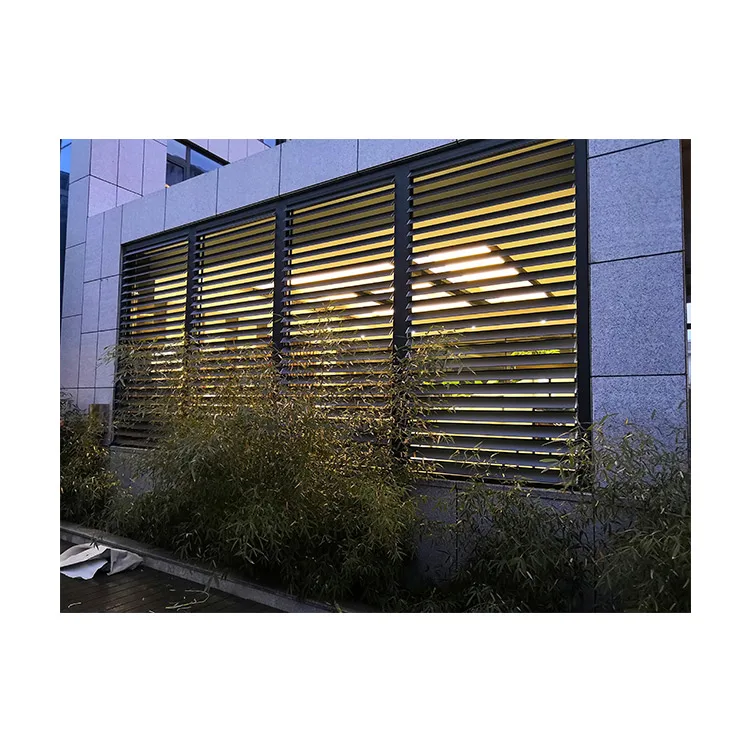
Understanding Electric Shutter System Components
Motor Assembly and Drive Mechanisms
The heart of any electric shutter system lies in its motor assembly, which converts electrical energy into mechanical motion. Modern electric shutter motors typically utilize either tubular motors integrated within the roller mechanism or external gear motors connected through chain or belt drives. These motors are engineered to handle the substantial weight and operational demands of commercial-grade shutters while maintaining precise control over opening and closing speeds. Regular inspection of motor mounting brackets, electrical connections, and operational parameters ensures consistent performance and prevents premature component failure.
Drive mechanisms in electric shutter systems vary depending on the specific application and manufacturer specifications. Chain drives offer robust power transmission for heavy-duty applications, while belt drives provide quieter operation suitable for noise-sensitive environments. Gear reduction systems multiply motor torque to handle larger shutter panels efficiently. Understanding your specific drive configuration enables targeted maintenance procedures and helps identify potential wear points before they compromise system operation. Proper lubrication schedules and tension adjustments are critical for maintaining optimal drive performance throughout the electric shutter's operational lifespan.
Control Systems and Safety Features
Contemporary electric shutter installations incorporate sophisticated control systems that manage operation, monitor performance, and implement safety protocols. These systems typically include programmable logic controllers, remote access capabilities, and integration with building management systems. Control panels house critical components such as motor contactors, overload protection devices, and emergency stop circuits. Regular testing of these control elements ensures reliable operation and compliance with safety regulations governing automated door and shutter systems.
Safety features represent a crucial aspect of electric shutter systems, protecting both personnel and property from potential hazards. Obstacle detection sensors prevent closure when objects or individuals are present in the shutter's path. Emergency manual operation mechanisms allow manual control during power outages or system malfunctions. Limit switches define precise opening and closing positions, preventing over-travel that could damage the shutter or surrounding structures. Maintaining these safety systems requires regular calibration, sensor cleaning, and functional testing to ensure continued protection and regulatory compliance.
Preventive Maintenance Strategies
Scheduled Inspection Protocols
Implementing comprehensive inspection protocols forms the foundation of effective electric shutter maintenance programs. Monthly visual inspections should examine shutter panels for damage, track alignment, and hardware integrity. Operators should document any unusual noises, irregular movement patterns, or changes in operational timing that might indicate developing problems. Quarterly inspections should include detailed examination of electrical connections, motor performance parameters, and safety system functionality. Annual professional inspections provide comprehensive system evaluation and identify potential issues requiring immediate attention or future planning.
Documentation plays a vital role in tracking electric shutter performance trends and maintenance history. Maintenance logs should record inspection dates, identified issues, corrective actions taken, and component replacement schedules. This historical data enables predictive maintenance strategies, helps identify recurring problems, and supports warranty claims when necessary. Digital maintenance management systems can automate scheduling, generate inspection checklists, and provide real-time alerts for upcoming maintenance tasks, ensuring consistent care for your electric shutter investment.
Lubrication and Cleaning Procedures
Proper lubrication represents one of the most critical aspects of electric shutter maintenance, directly impacting operational smoothness and component longevity. Guide tracks require regular cleaning and application of appropriate lubricants to minimize friction and prevent premature wear. Different track materials and environmental conditions dictate specific lubricant types and application frequencies. Stainless steel tracks may require different lubrication approaches compared to aluminum or galvanized steel systems, particularly in coastal or industrial environments where corrosion resistance becomes paramount.
Motor assemblies and drive components benefit from manufacturer-specified lubrication schedules that account for operational frequency and environmental exposure. Over-lubrication can attract debris and create operational problems, while insufficient lubrication accelerates wear and increases energy consumption. Regular cleaning of shutter panels, tracks, and control enclosures prevents accumulation of debris that could interfere with proper operation. Environmental factors such as dust, salt spray, or industrial pollutants may necessitate more frequent cleaning cycles to maintain optimal electric shutter performance and appearance.
Troubleshooting Common Issues
Motor and Drive Problems
Electric shutter motor issues often manifest as irregular operation, increased noise levels, or complete failure to respond to control commands. Thermal overload conditions can cause motors to shut down temporarily, typically indicating excessive load, inadequate ventilation, or internal component degradation. Checking motor current draw during operation helps identify developing problems before complete failure occurs. Unusual vibration patterns may indicate bearing wear, mounting hardware looseness, or drive system misalignment requiring immediate attention.
Drive system problems frequently involve chain or belt tension issues, wear in transmission components, or misalignment between motor and shutter mechanisms. Proper tension adjustment ensures efficient power transmission while preventing excessive wear on drive components. Regular inspection of sprockets, pulleys, and connecting hardware identifies replacement needs before catastrophic failure occurs. Understanding the relationship between motor performance and drive system condition enables more effective troubleshooting and reduces diagnostic time when problems arise.
Control System Malfunctions
Control system malfunctions in electric shutter installations can range from simple programming issues to complex electronic component failures. Power supply problems often cause erratic operation or complete system shutdown, requiring systematic voltage and continuity testing throughout the control circuit. Interference from nearby electrical equipment or wireless devices may disrupt control signals, particularly in systems utilizing radio frequency remote controls or wireless sensors.
Safety circuit malfunctions require immediate attention and may prevent normal electric shutter operation until resolved. Limit switch failures can result in over-travel conditions that damage shutter components or surrounding structures. Obstacle detection sensor problems may cause unwanted reversals or prevent proper closure when required. Systematic testing of each safety circuit component helps isolate specific failures and ensures continued protection for personnel and property. Regular calibration of sensors and limit switches maintains accurate operation and prevents false activations that could compromise system reliability.
Professional Service and Upgrades
When to Call Professional Technicians
Certain electric shutter maintenance tasks require professional expertise and specialized equipment to ensure safe and effective completion. Electrical work involving motor connections, control panel modifications, or safety circuit adjustments should only be performed by qualified technicians familiar with local electrical codes and manufacturer specifications. Structural modifications or major component replacements may require engineering evaluation to ensure continued compliance with building codes and safety standards.
Emergency service situations demand immediate professional response to minimize security vulnerabilities and operational disruption. Complete motor failures, control system malfunctions affecting multiple shutters, or safety circuit problems warrant professional diagnosis and repair. Attempting complex repairs without proper training and equipment can result in additional damage, safety hazards, or warranty voiding. Establishing relationships with qualified electric shutter service providers ensures rapid response when critical issues arise.
System Upgrades and Modernization
Technology advancement in electric shutter systems provides opportunities for improved performance, enhanced security features, and reduced operational costs through strategic upgrades. Variable frequency drives can provide smoother operation, reduced energy consumption, and extended motor life compared to older contactor-based control systems. Smart control integration enables remote monitoring, automated scheduling, and integration with building management systems for comprehensive facility control.
Security enhancements such as advanced access control integration, surveillance system coordination, and emergency response protocols can significantly improve overall facility protection. Backup power systems ensure continued electric shutter operation during power outages, maintaining security and climate control capabilities. Energy-efficient motor technologies and improved insulation materials can reduce operational costs while enhancing performance. Professional evaluation of upgrade opportunities helps prioritize improvements based on operational requirements, budget constraints, and expected return on investment.
FAQ
How often should electric shutter systems receive professional maintenance
Electric shutter systems typically benefit from professional maintenance every six to twelve months, depending on usage frequency and environmental conditions. High-traffic commercial installations or systems exposed to harsh environmental conditions may require quarterly professional service. Annual comprehensive inspections should include motor performance evaluation, safety system testing, and electrical connection verification regardless of usage patterns.
What are the signs that an electric shutter motor needs replacement
Key indicators of electric shutter motor replacement needs include excessive noise during operation, frequent thermal overload trips, irregular speed control, and increased electrical current consumption. Physical signs such as oil leaks, unusual vibration patterns, or failure to reach specified torque output also suggest motor replacement requirements. Professional motor testing can provide definitive assessment of remaining service life.
Can weather conditions affect electric shutter maintenance requirements
Weather conditions significantly impact electric shutter maintenance needs, particularly in coastal areas with salt exposure or regions experiencing extreme temperature variations. Cold weather can affect lubricant viscosity and battery backup systems, while high humidity may accelerate corrosion in electrical components. Regular cleaning and protective treatments become more critical in harsh environmental conditions.
How do I maintain warranty coverage on my electric shutter system
Maintaining warranty coverage requires adherence to manufacturer-specified maintenance schedules, use of approved replacement parts, and documentation of all service activities. Professional service by authorized technicians is often required for warranty compliance. Regular maintenance records and prompt reporting of issues help ensure warranty protection remains valid throughout the coverage period.