
 EN
EN
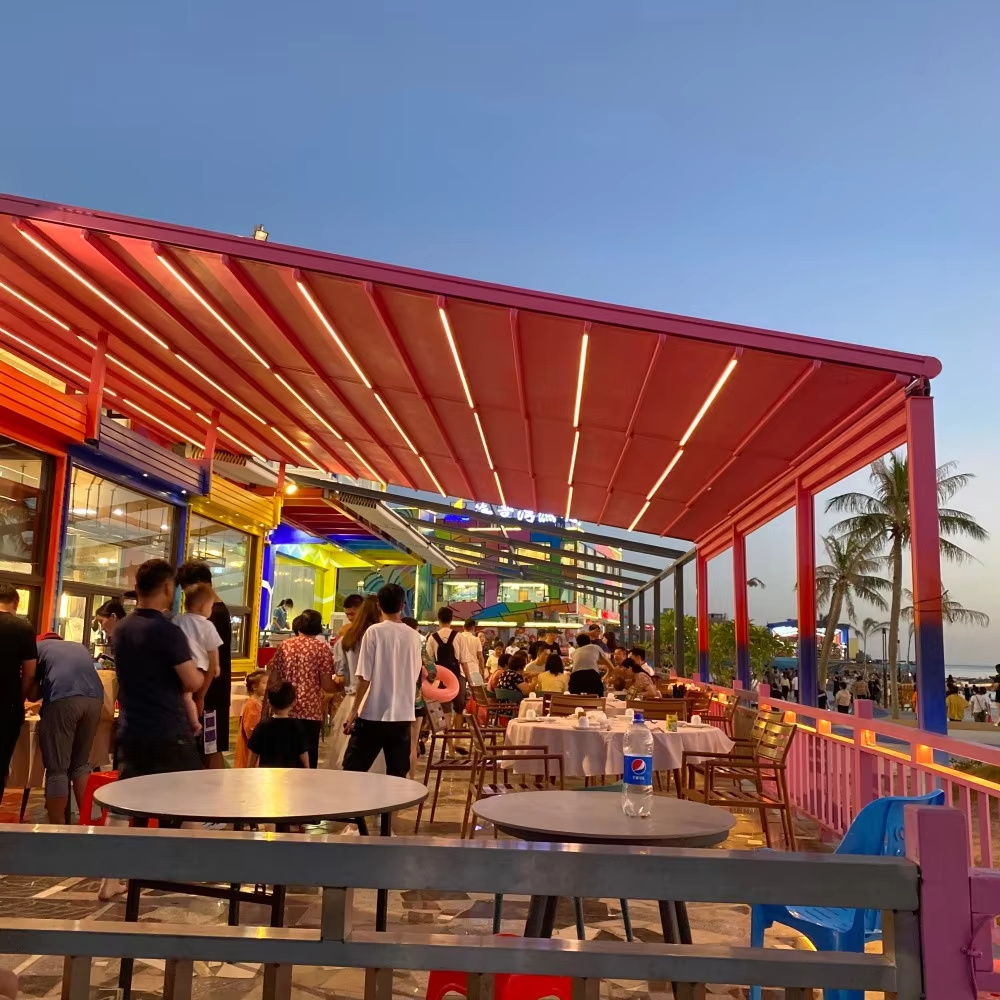
Vanliga material som används i slitstarka markiser
Aluminium: Lättviktigt och rostfritt
Människor gillar att använda aluminium för att bygga markiser eftersom det är så lättviktigt, vilket innebär att installationen inte är en stor omständighet och att de lätt kan anpassas efter önskemål. Både privatpersoner och företag uppskattar att detta material fungerar utmärkt i olika situationer, eftersom installationen kräver minimal ansträngning och inte kräver tunga maskiner eller specialverktyg. En annan stor fördel? Aluminium rostar inte bort som vissa andra metaller gör. Även vid långvarig utsättning för hårda väderförhållanden behåller dessa markiser sin styrka och funktion, medan billigare alternativ börjar falla isär. Den bästa delen är att estetiken inte heller behöver lida. Aluminium finns i alla möjliga färger och ytor, vilket ger många valmöjligheter för att matcha vilken arkitektonisk stil som helst – samtidigt som det bibehåller sin strukturella hållbarhet år efter år. Ingen underliggande orsak till att så många väljer aluminiummarkiser, oavsett om de vill ha något enkelt för sin bakgård eller något mer avancerat för butikslokaler och kontorsbyggnader.
Stål: Styrka för tunga applikationer
Stål sticker ut på grund av sin imponerande styrka, vilket gör det idealiskt för tunga markisapplikationer, särskilt på platser som kräver en solid strukturell bäring. Företag väljer ofta stål när de arbetar med stora konstruktioner eller regelbundet utsätts för starka vindar på sina lokaler. Stål är dock inte lika underhållsfritt som aluminium. Det kräver en skyddande beläggning för att förhindra rostning, vilket faktiskt bidrar till att förlänga hur länge dessa konstruktioner håller i svåra förhållanden. När man jämför markismaterial kan stål bära betydligt tyngre tyger utan att slaka av över tid, så många entreprenörer specificerar fortfarande stål för projekt där beständighet krävs. Därför ser vi stålmarkiser överallt på kommersiella fastigheter – från shoppingcenter till industriområden – där det bara gäller att klara vilket väder som helst.
Tygalternativ: Canvas, akryl och polyester
Väljet av tyg för markiser påverkar verkligen hur bra de fungerar över tid. Duksvärta är fortfarande ett klassiskt alternativ som sticker ut tack vare sina rika färger, även om hemägare måste lägga ner extra möda för att hålla den i gott skick jämfört med andra alternativ. Många väljer fortfarande duksvärta när de vill att deras utomhusutrymme ska framhävas med färg. Akryltyg fungerar utmärkt i områden med stark solbelastning eller regelbunden nederbörd, eftersom det blockerar UV-strålar mycket effektivt och avvärjar vatten ganska bra. För personer som värdesätter god kostnads-effektivitet utan att offra mycket kvalitet är polyester ett rimligt val. Det är lätt nog att hantera och enkelt att torka bort spill eller smuts från, vilket gör att detta material förekommer överallt – från trädgårdsbalkonger till restaurangterrasser. Den stora variationen innebär att nästan vem som helst kan hitta något som passar deras behov, oavsett om de ska skugga en liten veranda eller täcka en hel butiksfasad.
Viktiga egenskaper hos långlivade markismaterial
UV-resistens för solskydd
Att hålla material motståndskraftiga mot UV-skador hjälper till att förlänga markisernas livslängd samtidigt som de behåller ett gott utseende. När tyger utsätts för solen utan skydd tenderar de att förlora färgen snabbt och börja brytas ner redan efter några månader. Därför inkluderar kloka tillverkare idag UV-hämmare i sina produkter. Dessa ämnen fungerar ganska effektivt för att minska solens påverkan på tyget över tid, så att de ljusa färgerna inte försvinner så snabbt. Många moderna tyger är försedda med särskilda behandlingar som gör dem mycket motståndskraftiga mot UV-skador. Detta är lika viktigt för både hem och företag, eftersom det håller personer bekväma under skuggade områden och skyddar själva markismaterialet från att förstöras av all den solljus som träffar det dag efter dag.
Väderbeständiga beläggningar och behandlingar
Väderbeständiga beläggningar gör verkligen en skillnad för hur länge markisvävnader håller. De skyddar tyget mot alla slags utomhusrisker, såsom kraftiga regn, smältande snö och de oväntade stormarna som ibland drabbar oss. De flesta tillverkare applicerar idag särskilda behandlingar under produktionen. Vattenavvisande ytbehandlingar håller materialet torrt, medan antimögeladditiv förhindrar att den gröna mögeln växer på fuktiga ställen. Hushåll som investerar lite extra från början i högkvalitativt väderskydd sparar ofta pengar på längre sikt, eftersom deras markiser inte behöver bytas ut så ofta eller repareras ständigt efter varje kraftig väderhändelse.
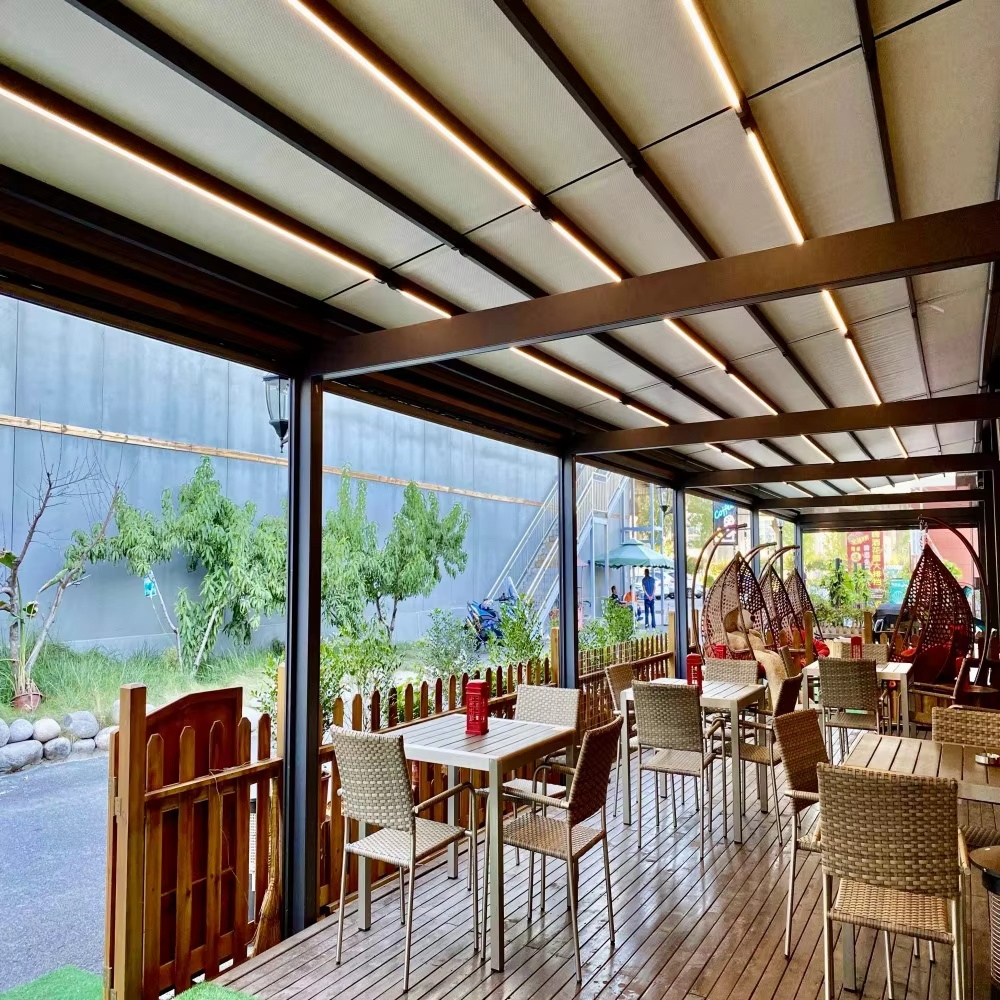
Stilfulla materialkombinationer för moderna markiser
Träaccenter för naturlig estetik
Att inkludera trä i markisdesigner ger verklig värme och den naturliga looken som människor älskar, särskilt bland de som bryr sig om miljöpåverkan. Vi har sett att ceder och teak fungerar utmärkt i ramkonstruktioner, medan återvunnen ek gör utmärkta accentdelar som sticker ut mot duk- eller ståldelar. När vi hittar ansvarsfullt inhämtat timmer bidrar det till både förbättrad estetik och uppfyllande av kraven inom gröna byggstandarder. Den marknadsdrivna skiftningen mot miljövänligare alternativ innebär att kunder nu ställer frågor om material under konsultationer. En markis i trä är inte längre bara ett designval – den representerar något djupare om hur vi interagerar med vår omgivning och vilket arv vi vill lämna efter oss genom våra arkitektoniska val.
Metallramar med pulverbeläggning i samtida färger
Metallramar med pulverbeläggning är ett utmärkt val för den som söker något stilfullt men samtidigt tillräckligt slitstarkt för att klara repor, blekning och flagningskador över tid. De flesta personer som kommer till mig frågar om dessa beläggningar eftersom de finns i så många olika färger. Hushållsägare uppskattar verkligen möjligheten att välja nyanser som verkligen sticker ut på deras hus eller matchar den utomhusstil de eftersträvar. En annan stor fördel? Själva beläggningsprocessen är inte heller skadlig för miljön. Det genereras mycket mindre avfall vid appliceringen jämfört med andra metoder. Därför tenderar så många personer som bryr sig om miljövänligt bo att välja detta alternativ. I slutändan, om någon vill ha fönster som ser bra ut redan idag men som fortfarande står starka år från nu utan att belasta planeten, är pulverbelagda ramar det perfekta valet.
Hållbara material i markisstillverkning
De senaste åren har det skett en betydande förskjutning mot hållbara material inom markisstillverkning, främst driven av ökad miljömedvetenhet bland konsumenter.
Återvunnen polyester och miljövänliga tyger
När tillverkare börjar använda återvunnen polyester i markisproduktion minskar de plastavfallet samtidigt som de erbjuder något mycket mer miljövänligt än vad som traditionellt använts. Många företag behandlar idag dessa tygalternativ med säkrare, icke-toksiska färger och ytbehandlingar som faktiskt gör dem bättre för miljön under hela deras livscykel. Vi ser denna förändring ske överallt, eftersom människor blir allt mer medvetna om hållbarhetsfrågor. Markisbranschen har också fångat upp denna våg, och många butiker byter till ekologiska material helt enkelt för att kunderna efterfrågar det. Utöver att se bra ut i trädgårdar hjälper dessa miljövänliga alternativ till att skydda vår värld och tillfredsställer personer som bryr sig om att köpa produkter som inte skadar miljön.
Behandlingar med låg halt av VOC för miljösäkerhet
VOC:er, de skadliga kemikalier som vi inte vill ha i inomhusluften, påverkar verkligen luftkvaliteten inom byggnader. Därför tillverkar många tillverkare idag sina markiser med beläggningar och behandlingar med låg VOC-halt. Byggbranschen har lagt märke till denna trend och börjat anpassa sig. När byggreglerna blir striktare vad gäller inomhusföroreningar inser företag att de behöver dessa miljövänliga alternativ för att bibehålla sin konkurrenskraft. Hälsobetingade kunder märker definitivt också skillnaden. När byggare specificerar material med låg VOC-halt för markiser handlar det inte bara om att uppfylla regler. Dessa material skapar faktiskt säkrare utrymmen för människor samtidigt som de ser bra ut utomhus. Viktigast av allt är att de bidrar till att minska den negativa miljöpåverkan utan att offra kvalitet eller hållbarhet.
Smart materialinnovation inom markisteknik
Solresponsiva tyger för energieffektivitet
Tyger som reagerar på solljus förändrar hur vi tänker på markiser och gör dem mycket mer effektiva när det gäller energianvändning, eftersom de justerar sig automatiskt baserat på solens intensitet. När dessa speciella material installeras korrekt minskar de faktiskt värmeuppsamlingen inom byggnader, vilket innebär att människor håller sig svalare naturligt utan att behöva köra klimatanläggningen så mycket hela dagen. Denna typ av teknisk genombrott har verkligen fått fäste bland miljömedvetna personer som vill att deras hem eller kontor ska vara miljövänliga samtidigt som de minskar sina månatliga kostnader. Vad som gör dessa smarta markiser särskilt framstående är inte bara deras positiva effekt på planeten, utan också hur de sparar pengar månad efter månad för alla som är villiga att göra en första investering.
Integrerade sensorer i väderbeständiga ramverk
Att placera sensorer inuti väderbeständiga markisramar utgör ett verkligt steg framåt för smart markisteknik. Sensorerna övervakar omgivningen och drar in markisen vid upptäckt av starka vindbyar eller kraftiga regnskurar. Detta hjälper till att skydda både tyget och ramen mot skador samt säkerställer en längre livslängd. Denna typ av smart teknik integreras nu alltmer i vanliga hemautomatiseringssystem. De flesta moderna system låter hushållsägare styra allt från sin mobiltelefon eller surfplatta, vilket fungerar utmärkt tillsammans med populära smarta hemplattformar som Alexa eller Google Home. Användarna uppskattar bekvämligheten mycket, särskilt efter extrema väderhändelser där manuell inrullning skulle vara besvärlig. Ingen underlighet att försäljningen av dessa teknikinriktade markiser har ökat stadigt de senaste åren.
Val av material för olika markisanvändningar
Materialkrav för bostads- respektive kommersiella applikationer
Att välja rätt material är mycket viktigt när det gäller markisar för bostäder jämfört med kommersiella markisar, eftersom behoven skiljer sig åt i de olika fallen. För hemmiljöer är utseende och komfort oftast avgörande, eftersom hushåll vill att deras terrasser och utomhusplatser ska se trevliga ut och kännas inbjudande. Det innebär vanligtvis att välja färgglada tyger som ger struktur och visuell intressant effekt i utomhusområdena. Kommerciella fastigheter berättar dock en annan historia. Dessa markisar utsätts för ständig slitage samt exponering för alla typer av väderförhållanden. Hållbarhet blir absolut avgörande här, vilket är anledningen till att företag vanligtvis väljer metallalternativ, t.ex. ramverk i aluminium eller stål. De håller helt enkelt bättre över tid utan att böja sig eller rosta bort. Att förstå denna skillnad gör att vi kan ge kunderna rätt rekommendationer – oavsett om de utrustar en trädgård eller installerar skyltar vid ett butiksutrymme.
Guide för materialval baserat på klimat
När man väljer material till markiser är det verkligen viktigt att ta hänsyn till vilket väder som råder lokalt. Ta till exempel områden med hög luftfuktighet – då behöver vi material som inte lätt utvecklar mögel och svamp, om vi vill att markiserna ska hålla länge och se bra ut. Och sedan finns det de solrika platserna där UV-strålningen påverkar under hela dagen. Utan tyg som motstår solskador blekner färgerna snabbt och hela konstruktionen börjar falla isär. Genom att undersöka miljön där kunden bor kan vi rekommendera material som faktiskt fungerar i deras specifika situation. Det handlar dock inte bara om att förlänga markisens livslängd. Att välja rätt material innebär att kunden får en produkt som fungerar väl samtidigt som den ser trevlig ut på deras fastighet i många år framöver.
FAQ-sektion
Fråga: Vilka material är bäst för utomhusmarkiser?
A: Aluminium och stål är populära val för markiserammar på grund av sin hållbarhet och motståndskraft mot hårda väderförhållanden. För tyger erbjuder akryl och polyester UV-skydd och är vattentåliga, vilket gör dem idealiska för utomhusanvändning.
Q: Hur skyddas markismaterialen mot miljöpåverkan?
A: Markismaterial kan skyddas genom UV-hämmare, väderbeständiga beläggningar och mögelskyddande behandlingar, vilka hjälper till att bibehålla deras integritet och utseende över tid – och skydda dem mot solskada, regn och mögel.
Q: Finns det miljövänliga alternativ för markismaterial?
A: Ja, hållbara material såsom återvunnet polyester och behandlingar med låg halt av flyktiga organiska föreningar (VOC) används allt mer vid markistillverkning, vilket stödjer miljövänliga praktiker och minskar den miljöpåverkan som uppstår.
Q: Kan markiser integreras i smarta hem-system?
A: Absolut, modern markiser med integrerade sensorer kan anslutas till smarta hemsystem, vilket möjliggör funktioner som automatisk inrullning vid dåliga väderförhållanden, vilket förbättrar bekvämligheten och skyddet.